

September 14, 2026 06:04 GMT+5:30
The return of Formula 1 (F1) to Malaysia is expected to generate a substantial economic impact, with Hong Leong Investment Bank (HLIB) Research estimating that the rescheduled event could contribute as much as RM1.3bil in total economic output.
The one-off race, which will be staged at the Sepang International Circuit (SIC) from Oct 2 to Oct 4, 2026, is being viewed as a net positive for Malaysia. Beyond direct visitor spending, the event is expected to create wider benefits for tourism, hospitality, retail, food and beverage, transport and other services connected to international travel.
The economic opportunity is being strengthened by the relatively limited cost being carried by Malaysia, while the global appeal of F1 is expected to attract a sizeable and relatively high-spending international audience.
F1 Return Expected to Generate Up to RM1.3bil
HLIB Research has projected that the return of F1 could generate between RM1.1bil and RM1.3bil in economic output for Malaysia.
Advertisement
Advertisement
The estimate has been linked primarily to visitor expenditure generated around the race weekend. Average spending by an F1 attendee has been estimated at approximately RM8,879 per tourist. Such spending is considered significant because F1 audiences are generally more affluent than the average international visitor.
According to HLIB Research, F1 spectators have historically tended to spend between 1.5 and 3.6 times more than the average visitor. This higher spending capacity is expected to translate into stronger economic activity across tourism-related businesses.
Hotels, restaurants, transport operators, retailers and entertainment businesses are therefore expected to benefit from the additional visitor flows associated with the event.
The impact is also expected to extend beyond the Sepang International Circuit itself. International visitors arriving for the race could spend additional time in Malaysia, resulting in expenditure being distributed across accommodation, dining, shopping, sightseeing and other tourism activities.
Advertisement
Advertisement
Sepang to Host Rescheduled Bahrain Grand Prix
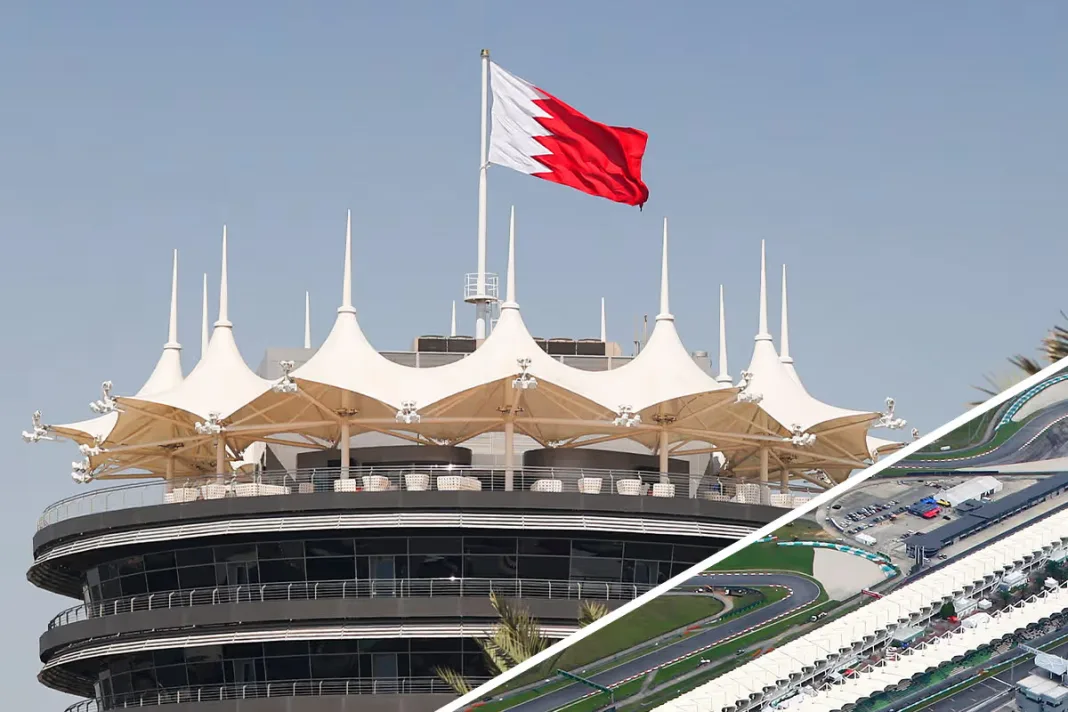
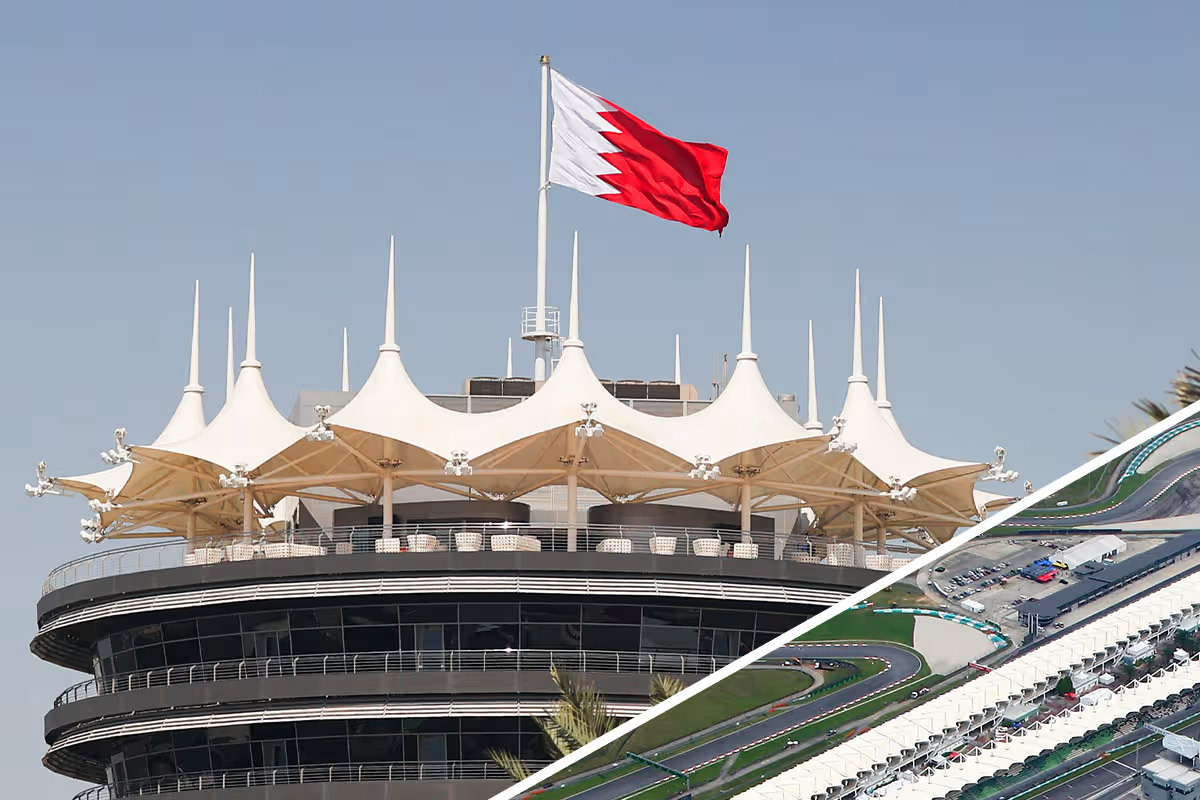
The race will be held at the Sepang International Circuit from Oct 2 to Oct 4, 2026. It will be staged as the rescheduled Bahrain Grand Prix and will serve as a one-off replacement because of geopolitical tensions in West Asia.
The event will mark the first return of F1 to Malaysia since 2017.
The temporary arrangement will represent a significant departure from Malaysia’s previous role as a regular F1 host. Between 1999 and 2017, Malaysia hosted the Malaysian Grand Prix as part of the full F1 season.
However, the economics surrounding the 2026 event are expected to be considerably different.
HLIB Research has indicated that the one-off arrangement could provide Malaysia with stronger economic returns because the country will not be responsible for the full financial burden historically associated with hosting an F1 race.
Bahrain to Absorb Major F1 Rights Fee
A key factor behind the projected economic benefit is the division of hosting costs.
The F1 rights fee, estimated at between RM285mil and RM326mil, will be absorbed by Bahrain. Malaysia, meanwhile, is expected to carry only around RM40mil in local preparation costs, according to SIC chief executive Azhan Shafriman.
This cost structure is expected to make the 2026 event more attractive from Malaysia’s economic perspective.
Under the arrangement, Malaysia will not be required to shoulder the substantial rights fee associated with securing a full-season F1 race. Instead, the country is positioned to benefit primarily through tourism-related spending generated by spectators, teams, officials and other international visitors.
The financial structure therefore creates an important distinction between hosting the event and purchasing the commercial rights to stage it.
Tourism Spending Expected to Drive the Biggest Spillover
The main economic benefit is expected to arise through tourism spending.
Under the current arrangement, Bahrain will receive all ticket sales revenue, while Malaysia will benefit from the tourism spending spillover effects generated by the event.
That distinction means Malaysia’s gains are expected to be concentrated in the wider visitor economy rather than direct ticket revenue.
International visitors attending the race are expected to contribute to hotel occupancy, restaurant turnover, transport demand, retail sales and other tourism-related activities.
The concentration of spending around the race weekend could also provide a temporary boost to businesses operating in areas surrounding Sepang and Kuala Lumpur, while longer-stay visitors could distribute their expenditure across other parts of the country.
F1 Popularity Has Grown Sharply Since Malaysia Last Hosted
Malaysia’s decision to stop hosting the Malaysian Grand Prix after 2017 was influenced by rising costs alongside declining interest and ticket sales.
The global F1 landscape has changed considerably since then.
The sport’s popularity has increased strongly, particularly following Liberty Media’s acquisition of F1 in 2017 and its subsequent development of the championship into a global media and entertainment brand.
HLIB Research has pointed to the growth in global attendance as evidence of the sport’s expanding audience.
Global attendance increased from around 4.2 million in 2019 to a record 6.7 million in 2025. In addition, all 11 races held during the first half of 2026 were sold out.
The stronger global demand is expected to support attendance at Sepang, particularly because the Malaysian event is being positioned within a favourable international travel period.
China’s Golden Week Could Strengthen Visitor Numbers
The timing of the 2026 race is another factor expected to work in Malaysia’s favour.
The event will coincide with China’s National Day Golden Week and Visit Malaysia 2026. The overlap could increase the likelihood of attracting international visitors with comparatively high spending power.
Chinese tourists are particularly important within this context. Their average per-capita spending in Malaysia reached RM6,291 in 2024, compared with RM3,753 for visitors of other nationalities.
The coincidence with China’s National Day Golden Week could therefore create an additional opportunity for Malaysia to attract Chinese travellers who may combine the F1 event with a wider holiday.
The Visit Malaysia 2026 campaign could further reinforce that opportunity by providing an additional promotional platform for Malaysia as an international tourism destination.
Malaysia Gains Regional Advantage
Another potential advantage has been identified in Malaysia’s position within the Southeast Asian F1 market.
Malaysia is expected to be the only Asean country besides Singapore hosting an F1 race.
That positioning could reduce the possibility of the regional F1 audience being divided among several competing venues. Instead, Malaysia could capture demand from visitors who are seeking to attend an F1 race within Southeast Asia.
The Sepang International Circuit also provides Malaysia with an established venue and an existing history of hosting international motorsport events. The return of F1 could therefore be supported by infrastructure and operational experience accumulated during the country’s previous hosting period.
Services Sector Could Receive Wider Economic Benefits
The economic impact is not expected to be confined to tourism businesses directly connected to the race.
HLIB Research has highlighted the potential contribution of the event to tourism-related industries, services trade and Malaysia’s current account surplus.
Travel receipts are the second-largest contributor to the current account surplus after goods. An increase in international visitor expenditure could therefore provide additional support to Malaysia’s external accounts.
The effect is particularly relevant because international tourism brings foreign spending into the domestic economy. When visitors pay for accommodation, meals, transportation, shopping and entertainment, the resulting expenditure supports businesses across multiple parts of the services sector.
The F1 weekend could consequently provide a concentrated injection of international visitor spending at a time when Malaysia is seeking to strengthen its tourism performance.
Employment Could Also Benefit From the Race
Tourism-related sectors represent a relatively large share of formal employment in Malaysia, accounting for around 30%.
The additional demand created by the F1 event could therefore have employment and household-income implications.
Retail and food and beverage businesses, in particular, could experience increased demand during the race period. Although wage levels in these segments remain comparatively low, higher customer volumes could create additional opportunities for workers and businesses.
The effect could extend beyond temporary increases in sales.
Improved demand and stronger visitor flows could encourage businesses to improve service quality and retain workers in customer-facing positions. Better service experiences could, in turn, strengthen Malaysia’s attractiveness as a tourism destination.
F1 Could Reinforce Malaysia’s Tourism Appeal
The return of F1 is therefore being viewed as more than a motorsport event.
Its potential economic value is being linked to the combination of international exposure, high-spending visitors, favourable timing and relatively low local hosting costs.
The projected RM1.1bil to RM1.3bil economic output is based on the expectation that F1 spectators will spend substantially more than average tourists. The timing alongside China’s National Day Golden Week and Visit Malaysia 2026 could further increase visitor demand.
At the same time, Malaysia’s position as one of only two Asean countries hosting an F1 race could strengthen its regional tourism proposition.
The event also arrives after years in which the global popularity of F1 has expanded significantly. With attendance reaching 6.7 million in 2025 and all 11 races in the first half of 2026 sold out, stronger international demand is being brought into the Malaysian market.
A Different Economic Model for Malaysia
The 2026 return also demonstrates how a one-off international sporting event can produce economic opportunities under a different cost structure from a conventional long-term hosting agreement.
Malaysia previously carried the costs associated with being a full-season host before the Malaysian Grand Prix was discontinued after 2017. The 2026 arrangement is different, with Bahrain absorbing the F1 rights fee and Malaysia focusing on local preparations.
As a result, tourism spending rather than ticket revenue is expected to represent the principal economic benefit for Malaysia.
The race could therefore create a broad-based boost for tourism, services and employment while providing an international platform for Malaysia during Visit Malaysia 2026.
If attendance projections are realised, the economic activity generated by international visitors could make the temporary return of F1 particularly significant for the Malaysian tourism sector.
The Sepang International Circuit’s three-day event is consequently being positioned as an important short-term opportunity with potentially wider economic consequences. With F1’s global audience continuing to expand, favourable travel timing, strong Chinese visitor spending and limited Malaysian hosting costs, HLIB Research expects the rescheduled Bahrain Grand Prix to deliver a net positive contribution of up to RM1.3bil to Malaysia’s economy.
Advertisement
Advertisement