

September 6, 2026
12:05 AM
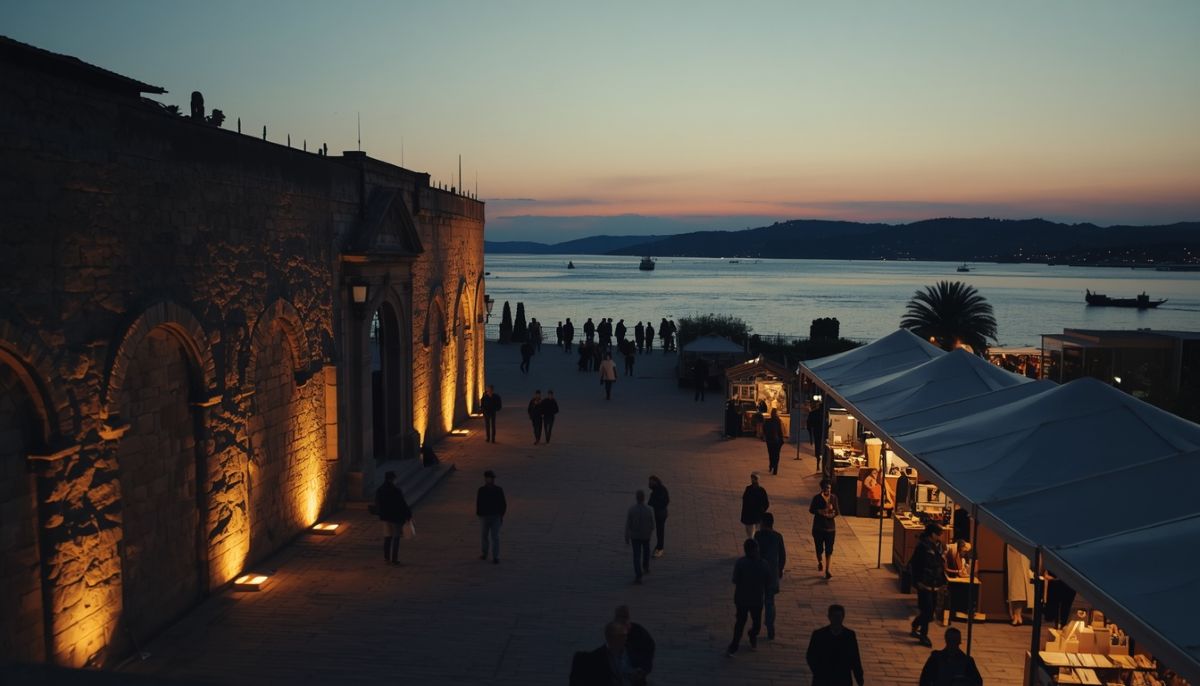
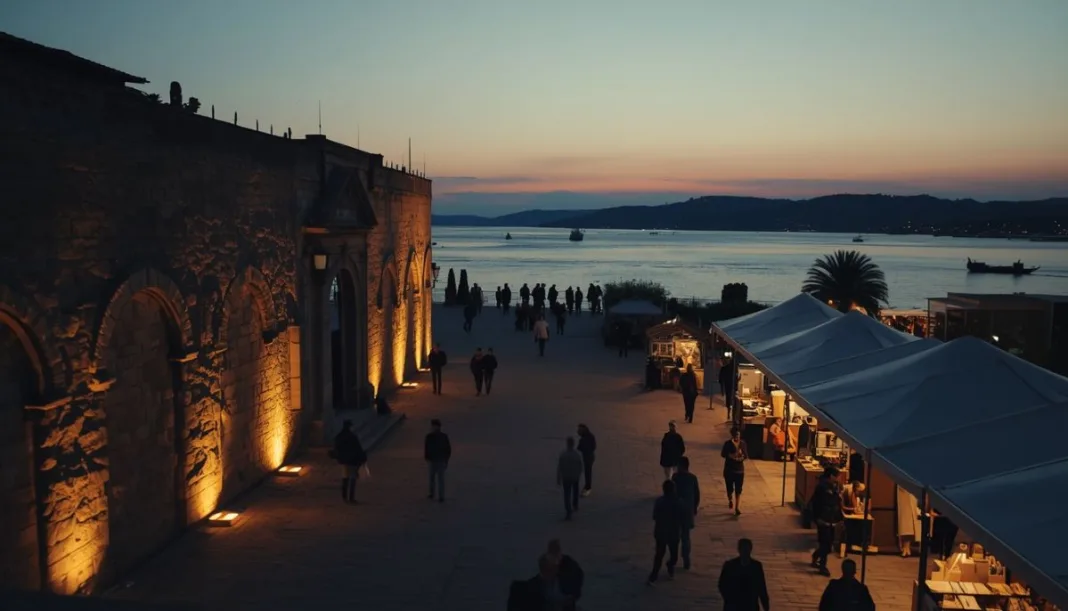
Image generated with Ai
Türkiye’s Ministry of Culture and Tourism is hosting the annual Çanakkale Culture Route Festival on the shores of the Dardanelles, a fusion of cultural heritage and contemporary artistic expression. If you want a destination where the ancient mythology meets the modern Turkish artistic dynamism, this week-long celebration offers an itinerary like no other. Visitors are immersed in a dynamic landscape where ancient fortresses, archaeological treasures and vibrant exhibition spaces become open-air stages. This event is also part of the larger project of Cultural Route Festivals in Türkiye, officially recognised by the Ministry as the largest tourism and heritage preservation effort in the country. It ensures that local customs are preserved and presented to the world. To understand the scale and significance of this festival, we need to explore the convergence of historical preservation and modern curation in one of the Mediterranean’s most strategic waterways.
Where Ancient Legends Meet Modern Artistry
The geographical significance of Çanakkale has long been defined by its position bridging Europe and Asia, a narrative that is heavily emphasized throughout the festival programming. Historic landmarks, including the Çanakkale Naval Museum and the imposing Çanakkale Fortress, serve as atmospheric backdrops for contemporary art installations, digital light shows, and classical music performances. According to data released by the Turkish Ministry of Culture and Tourism, heritage tourism initiatives like the Culture Route Festivals have successfully increased regional museum visitor numbers by significant margins, revitalizing local economies through sustainable cultural engagement.
Art enthusiasts can explore temporary galleries erected near archaeological marvels, where traditional Turkish craftsmanship—ranging from ceramic tiling to intricate textile weaving—is demonstrated by master artisans. These workshops are curated to provide educational insights into how Ottoman and pre-Ottoman techniques continue to influence modern design. By placing ancient artefacts in direct dialogue with avant-garde sculpture and photography, the festival successfully bridges historical epochs without compromising the integrity of the archaeological sites.
Master Artisans and Living Heritage
Traditional handicrafts form the beating heart of the Çanakkale Culture Route Festival, serving as tangible links to the region’s storied past. Visitors wandering through the historic quarters will encounter master craftsmen preserving endangered Anatolian arts, including copper beating, traditional pottery, and marbling (Ebru). Ministry-backed cultural preservation programmes are prominently highlighted during these demonstrations, showcasing government efforts to register and protect intangible cultural heritage under national preservation frameworks.
Advertisement
Advertisement
Exhibition stalls are deliberately integrated into urban squares and restored Ottoman-era courtyards, encouraging pedestrian exploration and direct interaction between visitors and creators. Educational panels detailing the historical trade routes of the region are displayed alongside artisan booths, offering contextual depth that elevates the experience from a standard craft fair to a scholarly cultural symposium.
Frequently Asked Questions About the Festival
What is the Çanakkale Culture Route Festival?
The Çanakkale Culture Route Festival is a multi-disciplinary arts, music, and heritage festival organized by the Turkish Ministry of Culture and Tourism. It is part of the nationwide Cultural Route Festivals project designed to promote regional tourism, preserve historical landmarks, and showcase traditional and contemporary Turkish arts through exhibitions, concerts, and workshops.
When does the Çanakkale Culture Route Festival take place?
The festival typically occurs annually during the autumn season as part of the broader Turkish Culture Route calendar. Exact dates vary by year, but events generally span over a week, featuring daily schedules that run from morning heritage tours through evening theatrical and musical performances.
How can travelers access festival venues in Çanakkale?
Most festival venues are concentrated within the Çanakkale city centre, the historic waterfront, and nearby archaeological sites such as Troy. Public transportation networks, municipal shuttle services, and pedestrian-friendly walking routes are heavily reinforced during the festival week by local authorities to ensure seamless transit between coastal exhibits and inland historical monuments.
Advertisement
Advertisement
Culinary Traditions and Regional Gastronomy
No exploration of Çanakkale is complete without examining its distinctive culinary heritage, which is heavily featured throughout the festival via curated gastronomic events. Regional specialities, heavily influenced by Aegean and Marmara agricultural traditions, are showcased in pop-up culinary pavilions and local establishments. Official tourism boards emphasize the region’s olive oils, fresh seafood, and locally produced wines, which reflect the fertile microclimate of the Gallipoli peninsula and the surrounding Troad region. Cooking demonstrations led by renowned culinary historians illustrate how historical trade routes shaped the local palate, combining Mediterranean staples with Central Asian culinary ancestry. These gastronomic showcases reinforce the festival’s holistic approach, proving that culture is tasted just as much as it is seen and heard.
Preserving the Future of Aegean Heritage
The Çanakkale Culture Route Festival’s long-term impact goes far beyond its one-week calendar, serving as a model for sustainable heritage tourism. The ministry says infrastructural investments made in the run-up to these festivals – restoring historic facades, improving lighting at archaeological ruins and creating permanent cultural centres – provide a lasting legacy for residents and international travellers alike. Thanks to international academic collaborations, artist residencies and youth craft apprenticeships, Çanakkale is becoming known as a cultural destination on the world stage. Those who go away from the region do so with a profound sense of gratitude for a landscape where every stone has a story, expertly conserved and vividly recreated for today.
Advertisement
Advertisement