

September 5, 2026 4:05 AM
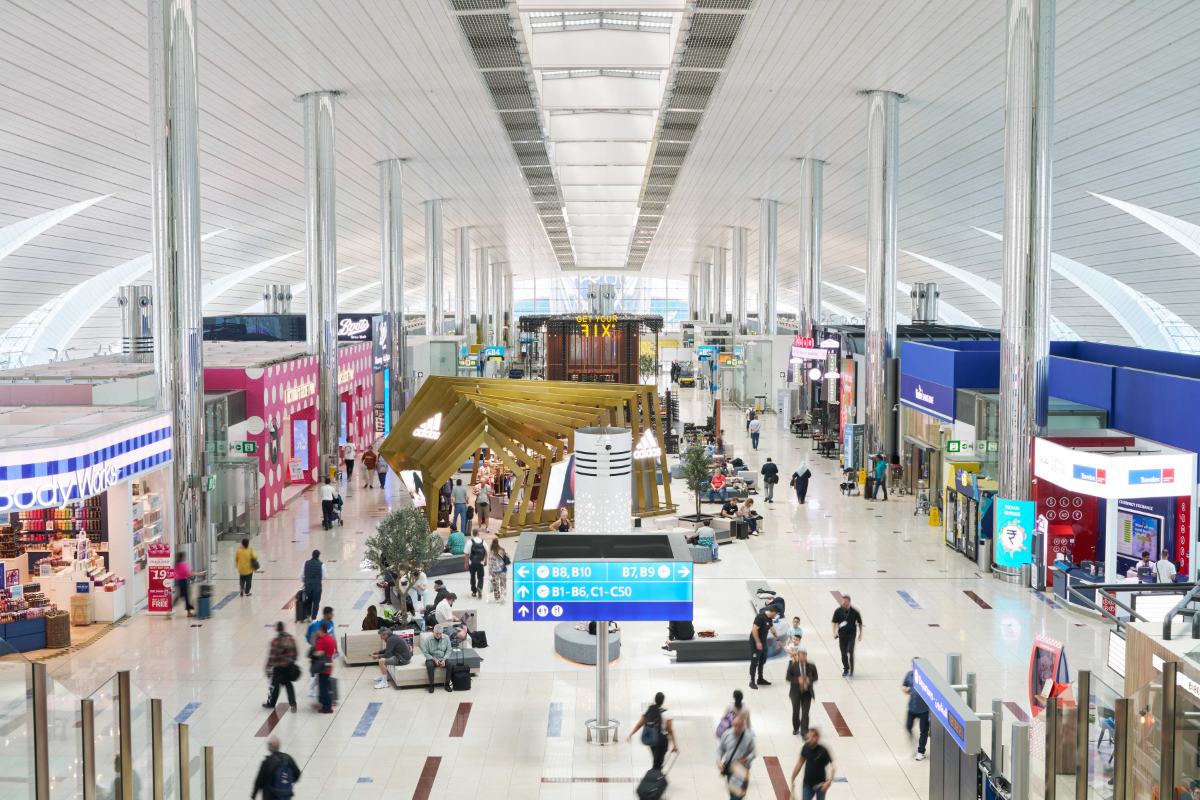
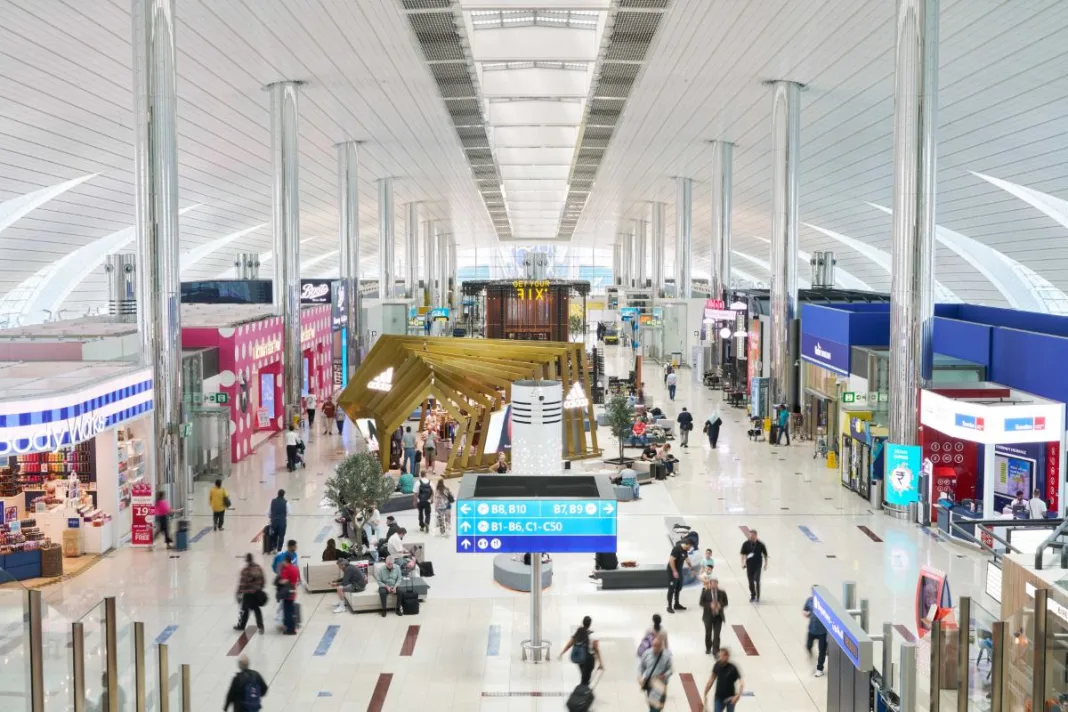
Image generated with Ai
Travel at key airports in the Middle East is being impacted by flight disruptions; operational issues at Dubai, Erbil, and other airports have led to 910 delays and 36 cancellations. Passengers passing via important aviation hubs in the United Arab Emirates, Saudi Arabia, Turkey, and Iraq have been affected by the disruptions. Delays and cancelations at airports and airlines have also been caused by shifting airspace circumstances, regional security concerns, and airline schedule modifications. Passengers connecting through the Middle East may find their travels unpredictable as major airlines like Air India, Turkish Airlines, FlyDubai, Air Arabia, and Saudia have reported interrupted operations.
Middle East Airports Record Hundreds of Delays as Gulf Aviation Faces Operational Pressure
The largest impact has been recorded at some of the Middle East’s busiest international airports. Dubai International Airport in the UAE reported 255 delays and 7 cancellations, making it the most affected airport among the listed locations. As one of the world’s busiest international connecting hubs, disruptions at Dubai can quickly affect passengers connecting between Asia, Europe, Africa and the Middle East.
Istanbul Sabiha Gökçen International Airport in Türkiye recorded 237 delays and 2 cancellations, placing it among the most affected airports in the region. The high delay figure reflects pressure on regional connectivity, particularly for airlines operating between Europe, Türkiye and Middle Eastern destinations.
Saudi Arabia also experienced notable operational challenges. King Abdulaziz International Airport in Jeddah recorded 122 delays and 5 cancellations, while King Khalid International Airport in Riyadh reported 120 delays and 7 cancellations. These airports serve major domestic and international routes, including business, religious and regional travel connections.
Other affected airports included:
| Airport | Country | Delays | Cancellations |
|---|---|---|---|
| Dubai International Airport | UAE | 255 | 7 |
| Istanbul Sabiha Gökçen International Airport | Türkiye | 237 | 2 |
| King Abdulaziz International Airport | Saudi Arabia | 122 | 5 |
| King Khalid International Airport | Saudi Arabia | 120 | 7 |
| Sharjah International Airport | UAE | 76 | 2 |
| King Fahd International Airport | Saudi Arabia | 50 | 1 |
| Abha Regional Airport | Saudi Arabia | 44 | 4 |
| Erbil International Airport | Iraq | 6 | 1 |
| Gizan Regional Airport | Saudi Arabia | 0 | 3 |
| Najran Domestic Airport | Saudi Arabia | 0 | 4 |
The combined airport data shows 910 total delays and 36 total cancellations, highlighting widespread disruption across several Middle Eastern aviation markets.
UAE, Saudi Arabia, Türkiye and Iraq Aviation Networks Face Passenger Disruptions
The disruption has affected multiple countries, with the UAE experiencing the highest airport-level impact due to delays at Dubai and Sharjah.
Dubai and Sharjah airports together recorded 331 delays and 9 cancellations, affecting passengers travelling through the UAE’s major international gateways. Dubai’s role as a global transfer hub means delays can create secondary impacts for passengers who are not travelling to the UAE but are connecting through the country.
Advertisement
Advertisement
Saudi Arabia recorded disruptions across several airports. Combined figures from King Khalid International Airport, King Abdulaziz International Airport, King Fahd International Airport, Abha Regional Airport, Gizan Regional Airport and Najran Domestic Airport show 336 delays and 24 cancellations.
Saudi Arabia’s aviation network has been affected across major cities including Riyadh, Jeddah, Dammam, Abha, Jizan and Najran, impacting domestic and international passengers.
Türkiye’s Istanbul Sabiha Gökçen International Airport recorded 237 delays and 2 cancellations, showing significant pressure on Türkiye’s aviation connections with the Middle East and international markets.
Iraq’s Erbil International Airport recorded 6 delays and 1 cancellation, representing a smaller but still notable impact among the listed airports.
- King Khalid Int’l (RUH) – 0% (origin airports), 0% (destination airports)
- King Abdulaziz Int’l (JED) – 0% (origin airports), 0% (destination airports)
- Dubai Int’l (DXB) – 0% (origin airports), 0% (destination airports)
- Abha Regional (AHB) – 4% (destination airports)
Airlines Including Air India, Turkish Airlines and Gulf Carriers See Flight Schedule Disruptions
Several major airlines operating across Middle Eastern routes recorded delays and cancellations.
| Airline | Country / Region | Cancellations | Cancellation Rate | Delays | Delay Rate |
|---|---|---|---|---|---|
| Saudia | Saudi Arabia | 12 | 2% | 69 | 12% |
| Air India | India | 7 | 0% | 255 | 35% |
| Air Arabia | UAE (Sharjah) | 2 | 0% | 72 | 28% |
| Turkish Airlines | Türkiye | 1 | 0% | 273 | 15% |
| FlyDubai | UAE (Dubai) | 1 | 0% | 89 | 25% |
Among the listed airlines, Turkish Airlines recorded the highest number of delays with 273, followed closely by Air India with 255 delays. Turkish Airlines operates an extensive international network connecting Europe, Asia and the Middle East, meaning regional disruptions can affect a wide range of routes.
Air India recorded 255 delays and 7 cancellations, reflecting the importance of India–Middle East aviation links. Gulf routes remain highly important for Indian travellers, including passengers travelling for business, employment, tourism and family visits.
UAE-based airlines were also affected. FlyDubai recorded 89 delays and 1 cancellation, while Air Arabia reported 72 delays and 2 cancellations. The carriers operate large regional networks connecting Gulf cities with South Asia, Europe and neighbouring Middle Eastern markets.
Saudia recorded 69 delays and 12 cancellations, with the highest cancellation count among the listed airlines.
What Should Passengers Do If Their Middle East Flight Is Delayed or Cancelled?
Passengers affected by delays or cancellations should take several immediate steps to reduce disruption.
Travellers should first check the latest flight status directly through their airline’s official website or mobile application before travelling to the airport. Flight information can change quickly during periods of operational pressure.
Passengers should also:
- Contact their airline immediately if their flight is cancelled or significantly delayed.
- Request alternative travel arrangements, including rebooking options where available.
- Check eligibility for refunds or travel credits based on airline policies.
- Allow extra time at airports due to possible longer queues at check-in and customer service counters.
- Keep travel documents, booking references and communication records available.
Airlines operating in the Middle East have previously offered options such as free rebooking, refunds or alternative travel arrangements during periods of regional disruption caused by airspace restrictions and operational limitations.
Middle East Aviation Recovery Depends on Stable Operations and Network Adjustments
The current disruption figures show that Middle East aviation remains under operational pressure, particularly at major connecting airports. While most airports continue operating, high delay volumes indicate that airlines and airports are managing complex scheduling challenges.
With 910 delays and 36 cancellations recorded across the affected airports, passengers travelling through the UAE, Saudi Arabia, Türkiye and Iraq should continue monitoring updates closely. The impact is being felt across international airlines, regional carriers and major aviation hubs, making flexibility and advance planning essential for travellers.
Data Verification Notice
The data has been extensively curated by our editorial team using real-time aviation figures recorded on 4 September 2026 at 6:30 pm ET USA (5 September 2026, 2:31 am GST).
Primary Source: FlightAware.
Verification Protocol: All statistics have been independently reviewed and cross-checked by our human editorial desk. Timestamped records, data logs and feed snapshots are securely archived internally to support historical accuracy and editorial transparency.
Note: Real-time flight-tracking figures reflect active airspace and operational data. Minor variations may occur when compared with information displayed at individual airport terminals or airline departure gates.
Advertisement
Advertisement