

September 5, 2026 12:24 AM
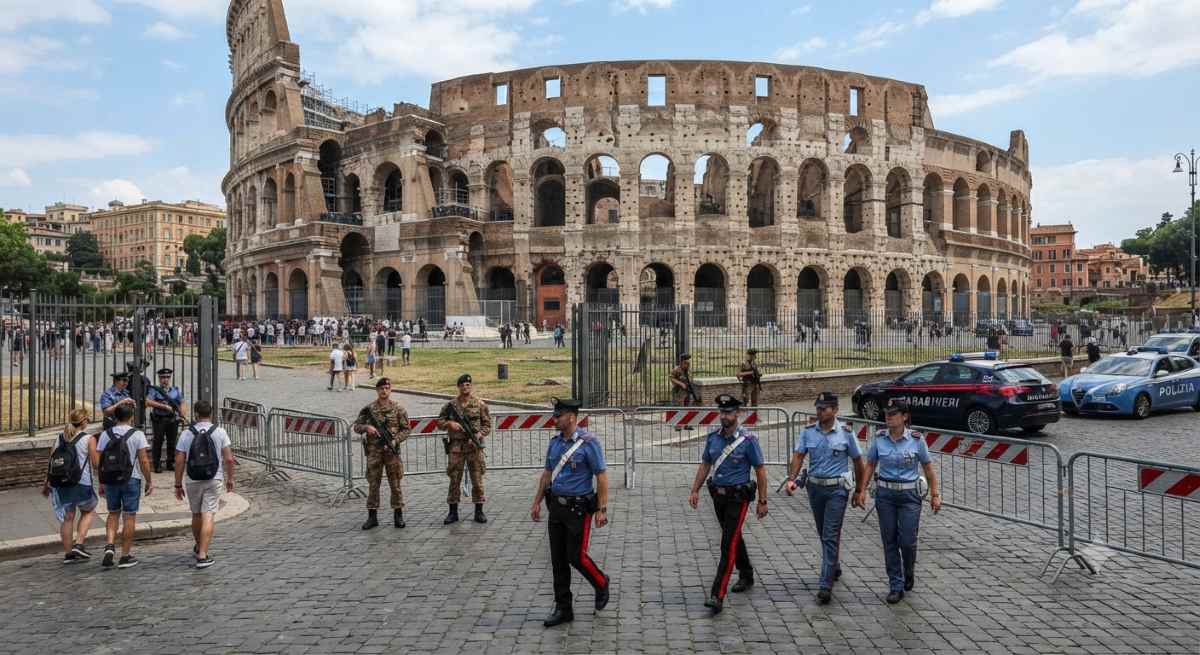
Image generated with Ai
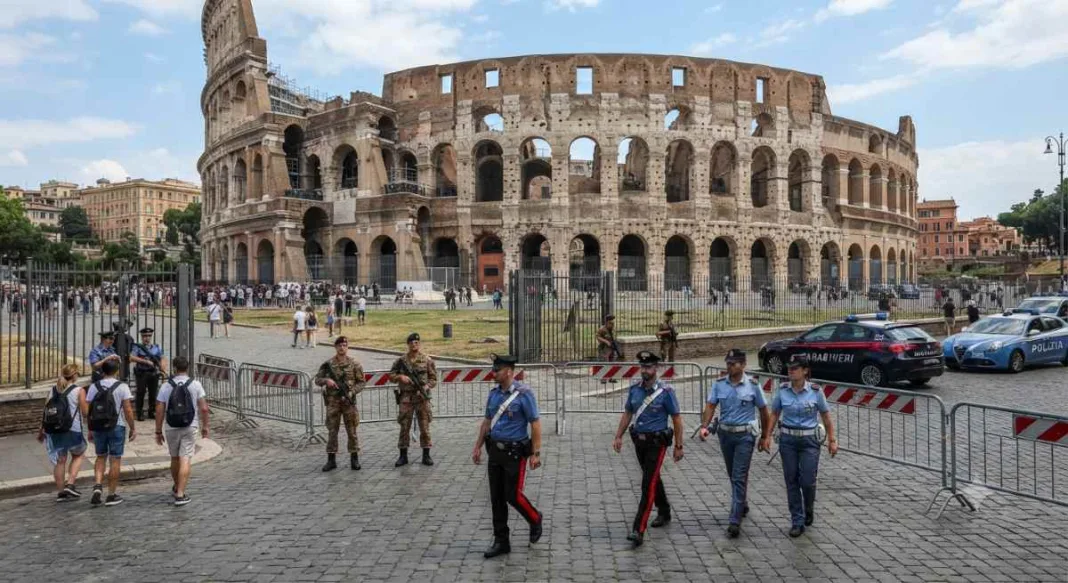
The decision to establish a fortified sector originates from a series of escalating public order challenges observed within the historic center of Rome. Specifically, the territory encompassing the ancient amphitheater, the adjacent Imperial Forums, and Colle Oppio has experienced notable degradation characterized by persistent petty theft, localized drug distribution, and violent altercations.
Local governance reports indicate that tensions reached a critical threshold following an unauthorized public gathering in the main square, during which law enforcement personnel faced hostility, resulting in minor injuries to officers. Furthermore, municipal authorities have linked part of this demographic strain to the opening of the new Roma Colosseo metro station on Line C, which inadvertently facilitated easier transit access for marginalized groups moving from peripheral districts into central tourist zones.
Impact on Travellers
For international travelers and domestic sightseers, the implementation of this enhanced security regime introduces a heavily monitored environment. Visitors navigating the popular heritage sites will encounter a constant 24-hour presence of local law enforcement alongside military personnel. While these comprehensive defensive measures are intended to drastically reduce incidents of pickpocketing, mobile phone snatches, and scams, tourists may experience increased identity checks, temporary perimeter controls, and restricted movement during peak operational hours. The overarching objective remains focused on ensuring that visitors can explore the ancient ruins without confronting public safety hazards.
Industry Insights
Urban planners, tourism economists, and security analysts view this strategic intervention as a necessary balancing act between preserving cultural accessibility and maintaining municipal order. Industry stakeholders note that unchecked petty crime and public disturbances pose a significant threat to destination reputation and tourism revenue. By deploying targeted protective measures around high-density heritage assets, municipal administrations aim to signal proactive governance. Analysts suggest that similar high-visibility interventions may become a standard operational blueprint for other European heritage cities grappling with mass tourism management and localized delinquency.
Advertisement
Advertisement
Practical information
The enhanced security order officially took effect on August 24 and is scheduled to remain operational through December 24, spanning a duration of four months. The designated red zone covers the entire perimeter of the Colosseum, the Fori Imperialism, and Colle Oppio. Law enforcement officers operating within these boundaries have been granted expanded legal authorities to conduct rapid identity verifications, disperse suspicious individuals, and arrest potential troublemakers. Travelers visiting these zones are advised to carry valid identification at all times and remain cooperative with security personnel stationed at checkpoints.
Comparison with Previous Policies or Developments
When evaluated against prior municipal policies, this current security decree represents a notable escalation and spatial expansion of existing urban management strategies. Past regulatory frameworks primarily focused on localized patrols near major transport hubs, such as the Esquilino and San Lorenzo districts surrounding Termini station, or seasonal pedestrianization efforts.
In contrast, the new ordinance directly targets a primary archaeological epicenter, treating urban degradation around a premier heritage asset as an urgent public emergency. Additionally, while older security zones in peripheral sectors like Valle Aurelia-Cornelia have been officially revoked, the citywide framework has been systematically reinforced to concentrate state resources where tourist vulnerability is highest.
Advertisement
Advertisement
Advertisement
Advertisement
Advertisement