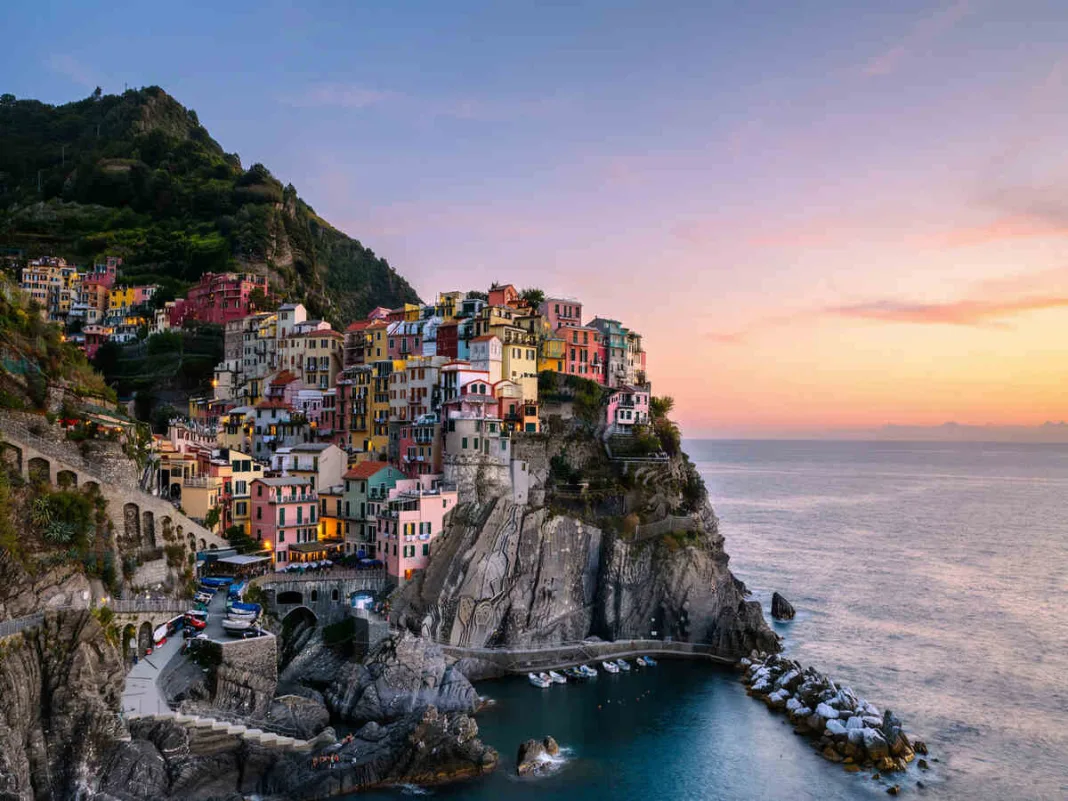

Published on August 25, 2026 |
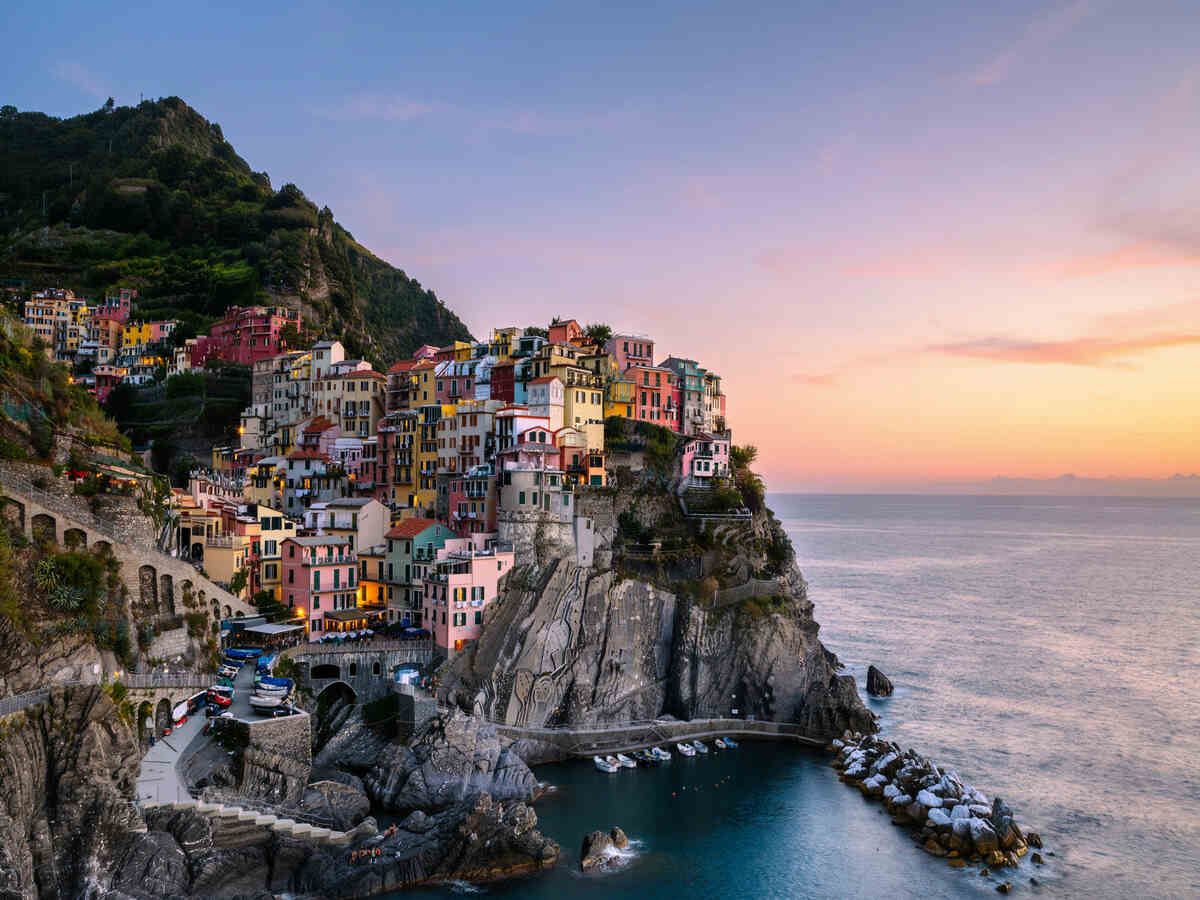
Image generated with Ai
Italy and Germany tourism growth impacted by rise in oil prices. Tourism in Italy and Germany is being hit by jumps in prices, as rising oil prices threatens the affordability of holidays across Europe. Tourism in Italy and Germany faces a challenge as rising oil prices lead to higher travel costs in Europe. With oil prices soaring due to worries about supply from the Middle East and the global impact of Iranian exports, airlines, transport firms, hotels and tourists are all being squeezed. The importance of oil as a fuel source in virtually all forms of transport means that jumps in its price have direct implications for the price of travel, both within countries and between them.
The increase in oil costs is creating a ripple effect across European tourism markets. Italy is facing stronger direct pressure because of its dependence on road tourism, ferries, island connectivity and international aviation. Germany is experiencing wider economic pressure through transport, logistics, business travel and consumer spending. As energy costs remain elevated, both countries are entering a period where travel affordability and tourism competitiveness could become major concerns.
Italy Tourism Feels Direct Impact As Fuel Costs Push Up Holiday Expenses
Italy is among the European destinations most exposed to rising oil prices because tourism movement depends heavily on fuel-based transportation. Millions of visitors arrive every year to explore historic cities, coastal regions, islands and rural destinations, creating strong demand for flights, rental vehicles, buses, taxis and ferry services. The impact has become more visible as fuel prices rise, with petrol costs increasing by around 20.1% and diesel prices climbing approximately 22.7%, adding further pressure to tourism mobility and holiday expenses.
A rise of more than 20% in fuel costs places additional pressure on Italy’s tourism ecosystem. Higher petrol and diesel prices can increase expenses for:
Advertisement
Advertisement
- Rental car companies serving international tourists
- Tourist buses and sightseeing operators
- Airport transfer services
- Ferry companies connecting islands
- Local transportation providers
The impact is particularly important for Mediterranean destinations. Italian islands and coastal areas rely heavily on maritime transport, and higher fuel expenses can increase operating costs for ferry services and boat excursions.
For travellers, this could translate into higher holiday budgets. Tourists planning multi-city trips across Italy may face increased costs when moving between destinations. Road trips, camper holidays and self-drive vacations could become more expensive as fuel prices rise.
Germany Tourism Faces Energy Pressure Through Transport And Economic Costs
Germany’s tourism sector faces a different type of challenge. Unlike Italy, where the impact is strongly connected to leisure mobility and fuel-dependent tourism transport, Germany’s exposure comes through its industrial strength, extensive transport network and consumer confidence. While the direct petrol increase has been more moderate, with around a 0.8% weekly rise reported, the broader impact is linked to rising operational expenses across logistics, mobility services and tourism businesses. Higher energy costs can influence travel decisions by reducing consumer spending power and increasing expenses for businesses supporting the tourism economy.
Germany is one of Europe’s largest travel markets and a major source of international tourists. Rising oil costs can influence tourism through several channels:
- Higher fuel costs for domestic travel
- Increased logistics expenses
- Higher operational costs for tourism businesses
- Pressure on household spending power
- Rising business travel expenses
Germany’s large transport and industrial sectors mean energy price increases can affect the wider economy. When businesses face higher operating costs, travel budgets and corporate tourism spending can also come under pressure.
For consumers, higher fuel prices may influence holiday decisions. Travellers could become more cautious about expensive trips, longer journeys and discretionary travel spending.
Airlines Face Rising Fuel Expenses As European Air Travel Costs Increase
The aviation industry is one of the first tourism sectors affected by rising oil prices. Jet fuel is among the largest expenses for airlines, meaning any sustained increase in crude oil prices can quickly impact airline operations.
Higher fuel costs can lead to:
- Increased airline operating expenses
- Pressure on ticket prices
- Possible fuel surcharges
- Reduced profitability on some routes
- Changes in flight capacity decisions
Italy and Germany are both major aviation markets with important international airports. Higher fuel expenses could influence flights operating through major hubs and affect passenger demand.
Long-distance routes are especially sensitive because they require significantly more fuel. If airlines face continued cost pressure, travellers could see higher fares for international holidays.
Road Tourism Faces A New Cost Challenge Across Europe
Road travel remains a key part of European tourism, especially for domestic holidays and regional exploration. Rising oil costs directly affect travellers who depend on cars and fuel-powered transport.
The impact can be seen through:
- Higher petrol and diesel expenses
- More expensive rental cars
- Increased coach tour prices
- Higher transportation charges within destinations
Italy’s tourism model is particularly vulnerable because many visitors combine flights with road travel to reach smaller towns, beaches and cultural attractions.
Germany’s extensive road network also means higher fuel costs could influence domestic tourism behaviour. Families and leisure travellers may reconsider long-distance driving holidays if transportation expenses continue increasing.
Hotels And Restaurants Feel The Impact Through Higher Operating Costs
Oil price increases do not only affect transportation. They also influence the wider tourism supply chain.
Hotels, restaurants and attractions can face rising costs in areas including:
- Food deliveries
- Maintenance services
- Energy consumption
- Laundry operations
- Supply transportation
When transportation costs increase, businesses often face higher prices for goods and services. Hospitality operators may need to adjust their pricing strategies to maintain profitability.
Smaller tourism businesses could face greater challenges because they often have limited financial flexibility. Higher operating expenses may reduce profit margins or lead to increased prices for visitors.
Mediterranean Tourism Markets Face Greater Affordability Concerns
Italy’s situation reflects a broader challenge facing Mediterranean tourism. Countries dependent on international visitors and transport-based tourism are more exposed to fuel price increases.
Higher oil costs can influence:
- Beach holidays
- Island tourism
- Cruise packages
- Excursion services
- Local transportation
Destinations that depend heavily on affordable mobility could face changes in visitor behaviour if travel costs continue rising.
Travellers may begin searching for cheaper alternatives, shorter trips or destinations closer to home.
Travellers Could Change Holiday Choices As Costs Increase
Rising travel expenses could reshape how tourists plan holidays.
Possible changes include:
More domestic tourism
Some travellers may choose destinations closer to home to reduce transport expenses.
Shorter holidays
Visitors may reduce the length of trips to control budgets.
Greater demand for affordable travel options
Tourists may compare prices more carefully before booking flights, hotels and transportation.
Increased interest in rail travel
Higher fuel prices could encourage more travellers to consider rail networks for shorter European journeys.
Italy And Germany Face Different Tourism Challenges From The Same Energy Shock
Although both Italy and Germany are affected by rising oil costs, the impact differs significantly.
Italy faces a direct tourism transport challenge because its visitor economy relies heavily on aviation, road travel, ferries and seasonal mobility.
Germany faces broader economic pressure through industry, logistics and consumer confidence, which can influence travel demand indirectly.
Both countries, however, share one major concern: higher energy costs could make European travel more expensive at a time when travellers are becoming increasingly price conscious.
Long-Term Tourism Outlook Depends On Oil Price Stability
The future impact on Italy and Germany tourism will depend on how long oil prices remain elevated. A temporary increase may create short-term challenges, but prolonged energy pressure could reshape travel patterns across Europe.
The tourism industry depends on affordable mobility. Flights, road journeys, cruises and local transport are essential elements of the visitor experience. When fuel costs rise, the effects spread across airlines, hotels, restaurants and travellers.
For Italy, the priority will be managing transport costs while protecting tourism competitiveness. For Germany, maintaining consumer confidence and controlling wider economic pressure will be crucial.
As Europe continues facing energy uncertainty, rising oil costs are becoming a significant factor shaping the future of tourism, holiday affordability and travel behaviour across the continent.
Advertisement
Advertisement