
Published on August 26, 2026 |

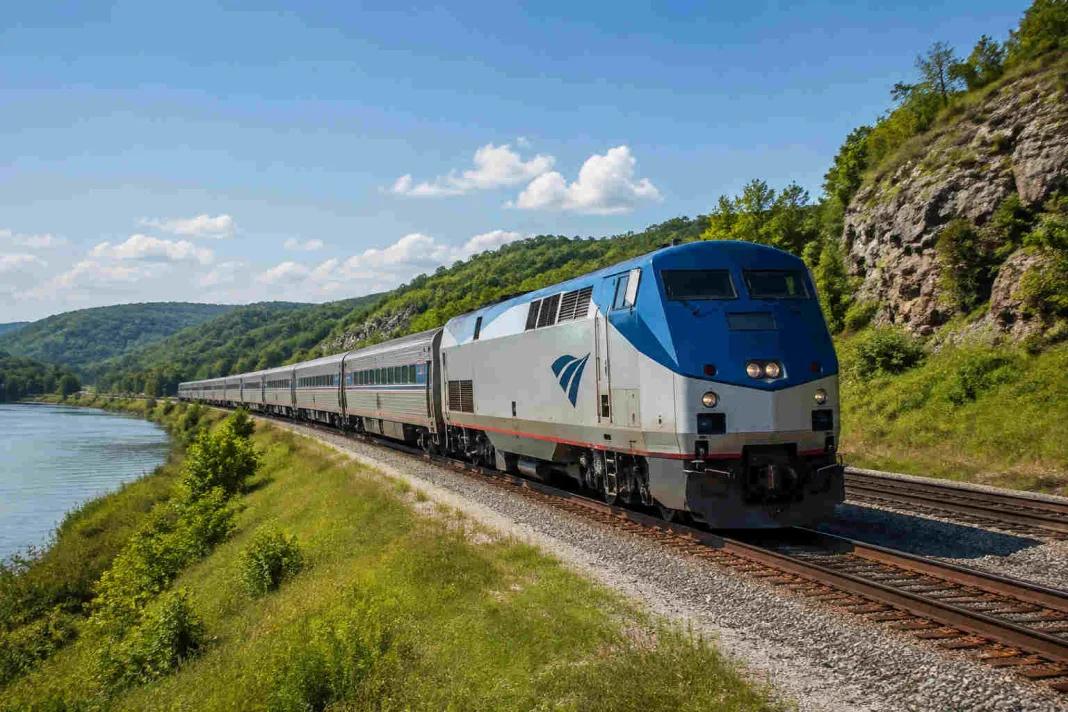
Image generated with Ai
The daily Amtrak Heartland Flyer service between Fort Worth and Oklahoma City, which had previously been uncertain, appears safe now that Texas has the funding needed to sustain rail services along the regional corridor.
With the agreement between the two states, both sides can now sustain the rail corridor and the service that links both state’s communities to other transportation options and to jobs, universities and the wider national Amtrak rail system.
The decision preserves a vital passenger rail service that has operated for more than two decades, providing an alternative travel option between North Texas and Oklahoma while supporting economic activity in communities along the route.
The continued operation follows cooperation between state transportation authorities and regional partners, highlighting the importance of public investment in maintaining reliable intercity passenger rail connections.
Advertisement
Advertisement
Long-running Heartland Flyer service continues connecting Texas and Oklahoma communities
The Heartland Flyer has served passengers between Oklahoma City and Fort Worth since 1999, becoming an important transportation link for residents, visitors, students, and business travellers across the two states.
The daily service begins in Oklahoma City and travels south through several Oklahoma communities, including Norman, Purcell, Pauls Valley, and Ardmore, before crossing into Texas and reaching Gainesville. The train continues to Fort Worth, where passengers can connect with local transportation services and the broader Amtrak network.
The evening return journey takes passengers north from Fort Worth back towards Oklahoma, providing a convenient connection for both daily and leisure travellers.
Over the 12-month period ending last September, the service recorded 80,767 passengers, achieving its highest-ever ridership levels alongside record ticket revenue. The figures demonstrate continued demand for passenger rail travel across the region.
Advertisement
Advertisement
The Heartland Flyer has become more than a transportation service. It has helped strengthen regional mobility by connecting smaller communities with larger economic centres and providing residents with an alternative to highway travel.
Federal investment improves stations and passenger facilities along the route
Alongside operational funding, Amtrak is investing millions of dollars to improve passenger facilities across the 206-mile corridor between Fort Worth and Oklahoma City.
An estimated $17 million in federally supported improvements is being directed towards stations in Texas and Oklahoma. These upgrades focus on improving accessibility, enhancing passenger convenience, and ensuring stations meet modern transportation standards.
Accessibility improvements have already been completed or are nearing completion at several stations, while additional locations are expected to move into the bidding phase in the coming year.
The investment reflects broader efforts to modernise America’s passenger rail infrastructure and improve access for travellers with different mobility needs.
By upgrading stations along the route, transportation officials aim to create a more comfortable and inclusive travel experience while preparing the corridor for future passenger growth.
Heartland Flyer generates significant economic benefits across the region
The impact of the Heartland Flyer extends beyond passenger transportation, with the service contributing to jobs, business activity, and regional economic development.
The Fort Worth-based Amtrak team serves as the operational centre for the route, managing maintenance, train operations, and onboard supply services. The facility supports around 50 employees and represents a major part of Amtrak’s workforce presence in Texas.
Amtrak’s broader economic contribution in the state includes millions of dollars in payroll spending, purchases from local suppliers, and investment in communities served by the rail network.
During the previous year, Amtrak purchased more than $95 million worth of goods and services from Texas businesses, while communities along the Heartland Flyer route benefited from significant economic activity linked to the service.
A Texas A&M study highlighted the wider economic impact of passenger rail investment, revealing that funding these services can stimulate significant economic growth by creating returns far beyond the initial investment.
The findings underline the role of passenger rail as an economic driver rather than simply a mode of transportation.
Temporary funding solution keeps service operating while lawmakers consider future budget
The continuation of the Heartland Flyer was secured after Texas identified a funding solution following challenges in the state budget process.
The 2025 Texas state budget did not include the required funding contribution for passenger rail services such as the Heartland Flyer. However, regional transportation authorities previously helped provide the state’s share, ensuring that operations could continue.
A new $4.2 million transfer within the Texas Department of Transportation has now provided the necessary funding to maintain the service while lawmakers prepare to consider the next state budget cycle.
The funding action demonstrates the importance of cooperation between state agencies, transportation planners, and regional authorities in protecting essential passenger services.
Officials will continue evaluating long-term financial support to ensure the Heartland Flyer remains a dependable transportation option for communities across Texas and Oklahoma.
Special “Big Game Train” service returns for major football rivalry
The funding agreement also clears the way for the return of the popular Big Game Train, a special extension of the Heartland Flyer that connects Fort Worth and Dallas for one of the region’s biggest sporting events.
The service allows football fans to travel by rail to Dallas for the annual rivalry game between the University of Texas and the University of Oklahoma at the Cotton Bowl.
The special train has become a unique travel experience, allowing supporters to avoid road congestion while enjoying direct rail access to the event.
The winner of the historic rivalry receives the Golden Hat Trophy and earns regional bragging rights for the following year.
More details about the special service and event arrangements are expected to be announced ahead of the October 10 game.
Passenger rail investment strengthens future connectivity in the region
The continued operation of the Heartland Flyer highlights the growing importance of passenger rail in connecting communities and supporting sustainable transportation choices.
The Fort Worth–Oklahoma City corridor serves thousands of travellers each year while providing economic opportunities for towns located along the route.
With station improvements, workforce investment, and continued state support, the service is positioned to remain a keypart of regional transportation planning.The partnership between Texas and Oklahoma demonstrates how coordinated investment can preserve important rail links while creating long-term benefits for passengers, businesses, and local communities.
As demand for convenient and reliable travel options continues to grow, services such as the Heartland Flyer are expected to play an increasingly important role in America’s passenger transportation network.
Advertisement
Advertisement