
New Delhi: India’s apex regulator is planning to intensify inspections of medical device manufacturing facilities across the country, to assess their compliance with prescribed norms and expand oversight.
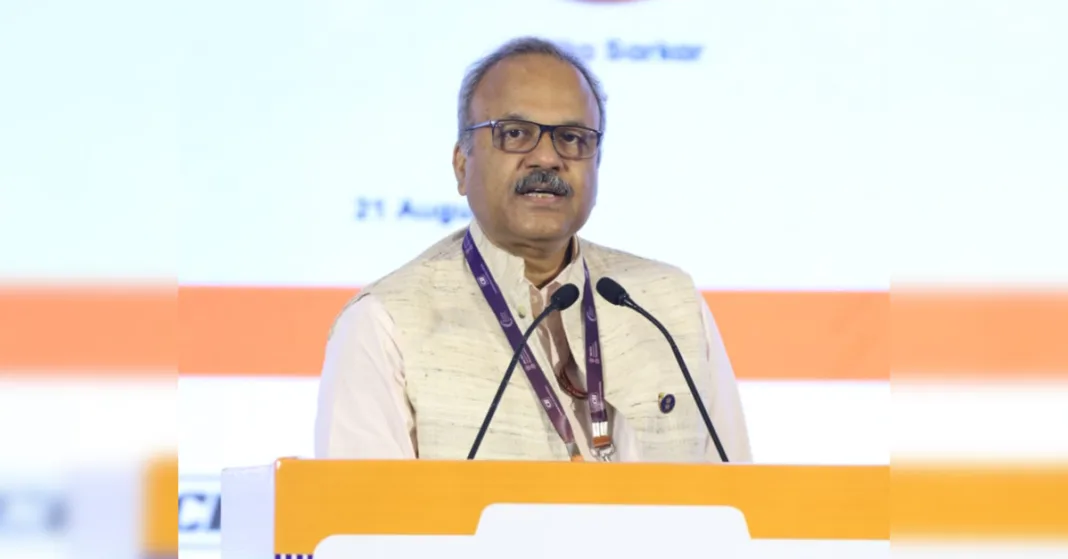
Speaking at CII’s 18th Global MedTech Summit, Dr Rajeev Raghuvanshi, Drugs Controller General of India (DCGI), said, “Over the last two years, 30,000 product licences had been issued as we focused on facilitating approvals for the industry. And moving forward as we get more resources, we will see audits in the medical device industry increase significantly from now on.”
He added that the industry had been given sufficient time to adapt to the new regulatory framework and that there had been extensive discussions with stakeholders.
“The industry is aware of the regulator’s expectations and has to be prepared for audits and inspections. These should not come as a surprise,” the DCGI said.
India’s medical device industry is estimated at around $16 billion, accounting for roughly 2 per cent of the global market. The country has around 800 manufacturing units, with the majority of manufacturers focused on low-risk medical devices (class A and B).
However, once a relatively small segment of the healthcare sector, the industry has gained significant traction since the launch of the National Medical Devices Policy, 2023, and is now expected to grow to around $50 billion over the next five years.
Between 2022 to 2025, the DCGI said the contribution of locally produced goods increased by 43 per cent from $2 to $7 billion, while imports remained muted at $9 billion.
Rajiv Nath , Forum Coordinator, Association of Indian Medical Device Industry, (AiMeD) said, “Third-party certification audits are already the requirements for class low and moderate risk medical devices and we are seeking CDSCO to delegate task of audit of compliance to Quality Management Systems to NABCB-accredited certification bodies for high risk (Class C and D) devises as well.”
Accelerating approvals
The regulator outlined that the timeline for processing import applications has been reduced to 145 days, or around four to five months, while the “charter commitment is nine months.”Between April 2025 and June 2026, he highlighted that 1,082 import licences were issued, with a median processing time of 145 days.
Similarly, for IVDs (in-vitro diagnostics), the average processing time has been reduced to 105 days, with 585 approvals granted during the same period. For high-risk medical devices, 571 applications were cleared, with an average processing time of 106 days.
Deregulation push
Concerning that, of the total 30,000 medical devices approved by the authority, only 117 were new or novel devices, the DCGI also announced that the Central Licensing Authority —CDSCO— is planning to eliminate the requirement for obtaining a test licence for under trial devices, similar to the provisions previously extended to drug manufacturers.“The proposal will be discussed at the upcoming meeting of the Drugs Technical Advisory Board (DTAB), scheduled for later this month, as there a growing view that licences should not be required during the R&D phase for testing unapproved medical devices, to support innovators and encourage the development of new devices in the country,” he said.
“Globally there’s no requirement for a test license for medical devices so a waiver is welcome,” Nath said.
Further, amid growing demand for a separate regulatory agency for medical devices, the DCGI said, “a Joint DCGI-level position has been created to provide greater operational independence to the medical device vertical within the CDSCO and oversee the sector and the expansion of workforce for the division is currently underway.”
Notably, the central agency had recently promoted 21 drug inspectors from its Medical Devices Division to the rank of Assistant Drugs Controller and has initiated the recruitment of 20 additional medical device officers.