

Published on August 19, 2026 |
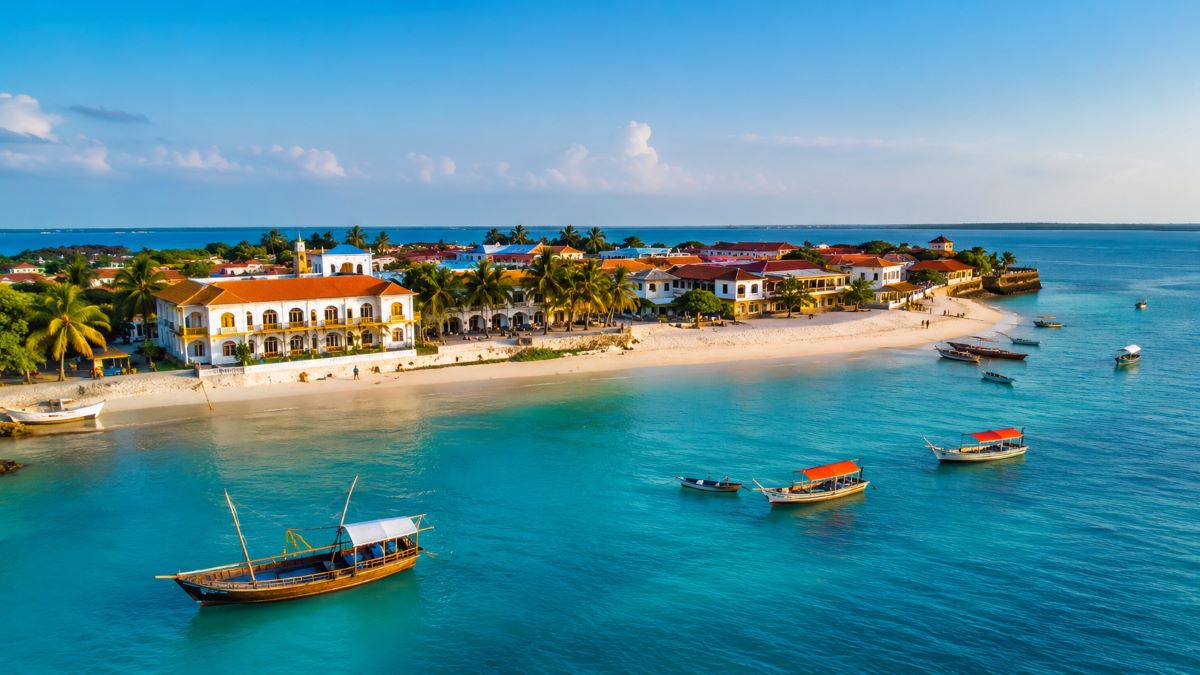
Image generated with Ai
Canada and US are hammering Mauritius tourism with a significant decline in tourist arrivals in 2026, as weaker demand from both North American markets reduces visitor numbers and creates challenges for the island’s tourism growth. The fall in Canadian and American arrivals highlights increasing competition, travel connectivity pressures and the need for Mauritius to strengthen its appeal among long-haul travellers.
Canada Records Sharp Double-Digit Fall
Canadian tourist arrivals to Mauritius have fallen sharply in 2026. The country received 4,435 visitors from Canada, compared with 5,033 during the same period in 2025. That was a loss of 598 tourists, or 11.9% year-on-year. Canada recorded the steeper decline of Mauritius’ two main North American source markets. Air travel remained the main route, with 3,931 visitors arriving by air and another 504 by sea. The fall is significant because Canada is a valuable long-haul tourism market. Canadian travellers seeking winter sunshine, beaches and premium resorts can support hotels, restaurants, tour companies and other businesses across the island.
| Canada Tourism to Mauritius | YTD 2025 | YTD 2026 | Change | YoY |
|---|---|---|---|---|
| Tourist arrivals | 5,033 | 4,435 | −598 | −11.9% |
| Air arrivals | — | 3,931 | — | — |
| Sea arrivals | — | 504 | — | — |
US Tourist Arrivals Also Decline
The United States also recorded weaker tourism demand for Mauritius. US arrivals fell from 7,696 in 2025 to 7,351 in 2026, meaning Mauritius received 345 fewer American visitors, a 4.5% year-on-year decline. The US remained the larger North American source market, but the contraction is important because America is one of the world’s biggest outbound travel markets. Of the 7,351 US visitors, 6,080 arrived by air and 1,271 by sea. Mauritius faces intense competition for American travellers because the journey is long, while destinations across the Caribbean, Mexico and Europe provide extensive tourism choices, often with shorter journeys and easier air connections.
| US Tourism to Mauritius | YTD 2025 | YTD 2026 | Change | YoY |
|---|---|---|---|---|
| Tourist arrivals | 7,696 | 7,351 | −345 | −4.5% |
| Air arrivals | — | 6,080 | — | — |
| Sea arrivals | — | 1,271 | — | — |
US and Canada Lose Nearly 1,000 Visitors Together
The combined picture highlights the North American slowdown. The US and Canada generated 12,729 visitors during the comparable period of 2025, but that total dropped to 11,786 in 2026. Mauritius therefore received 943 fewer visitors from the two markets combined, representing a decline of approximately 7.4%. The numbers are relatively small compared with Mauritius’ biggest European markets, but they matter for the country’s efforts to build a geographically diverse tourism industry. Weakness across both major North American markets means Mauritius is becoming more dependent on growth elsewhere to compensate for the visitors being lost from the US and Canada.
| Market | YTD 2025 | YTD 2026 | Change | YoY |
|---|---|---|---|---|
| USA | 7,696 | 7,351 | −345 | −4.5% |
| Canada | 5,033 | 4,435 | −598 | −11.9% |
| Combined | 12,729 | 11,786 | −943 | −7.4% |
Germany India and South Africa Move in the Opposite Direction
The North American decline becomes more striking when compared with growth from several other important markets. Germany delivered 60,227 visitors, rising 13.4% year-on-year, while India reached 41,966 arrivals, an increase of 11.9%. South African arrivals climbed 7.1% to 51,858. France remained Mauritius’ largest source market with 153,048 visitors, recording modest growth of 0.8%. This contrast shows that Mauritius is not experiencing a broad international tourism decline. Instead, the weakness is concentrated in particular source markets, with the US and Canada moving backwards while several major European, African and Asian markets continue to send more travellers.
| Source Market | YTD 2025 | YTD 2026 | YoY Change |
|---|---|---|---|
| France | 151,797 | 153,048 | +0.8% |
| Germany | 53,117 | 60,227 | +13.4% |
| South Africa | 48,436 | 51,858 | +7.1% |
| India | 37,501 | 41,966 | +11.9% |
| USA | 7,696 | 7,351 | −4.5% |
| Canada | 5,033 | 4,435 | −11.9% |
Canada Falls While Other Long-Haul Markets Grow
Canada’s 11.9% decline is particularly noticeable alongside expansion from markets such as India and Germany. Long-haul tourism matters to Mauritius because the island has built a strong international reputation around beaches, luxury resorts, honeymoons, wellness holidays and nature-based experiences. Visitors travelling long distances can support accommodation, food, transportation, excursions and other tourism businesses. However, Mauritius must compete for Canadian travellers against destinations much closer to home. The Caribbean, Mexico and the southern US provide Canadians with established warm-weather alternatives and extensive flight options. Airfare, travel time, connectivity and destination visibility can therefore play an important role in whether Mauritius succeeds in rebuilding demand from Canada.
North American Weakness Exposes a Tourism Challenge
The figures reveal a clear divide in Mauritius tourism during 2026. France remains dominant, while Germany, India and South Africa are expanding strongly. North America is moving in the opposite direction, with the US down 4.5% and Canada down 11.9%. The simultaneous decline creates a challenge for Mauritius as it seeks to broaden its visitor base beyond traditional European and regional markets. The island already has a strong international tourism product built around beaches, resorts and premium experiences. The bigger challenge is converting that appeal into stronger North American demand when US and Canadian travellers have numerous competing destinations closer to home and, in many cases, easier to reach.
Canada and US are hammering Mauritius tourism with a significant decline in tourist arrivals in 2026, as falling demand from both markets reduces visitor numbers amid stronger competition, travel challenges and changing long-haul tourism patterns.
Advertisement
Advertisement
In conclusion, Canada and US are hammering Mauritius tourism with a significant decline in tourist arrivals in 2026, as weaker demand from both North American markets reduces visitor numbers and creates pressure on the island’s tourism recovery. The decline highlights the challenges Mauritius faces in attracting long-haul travellers amid strong competition from closer destinations, changing travel patterns and connectivity barriers. However, continued growth from markets such as Germany, India and South Africa shows that Mauritius retains strong global appeal and has opportunities to rebuild North American demand through targeted tourism strategies.
Advertisement
Advertisement