
Published on August 18, 2026 |
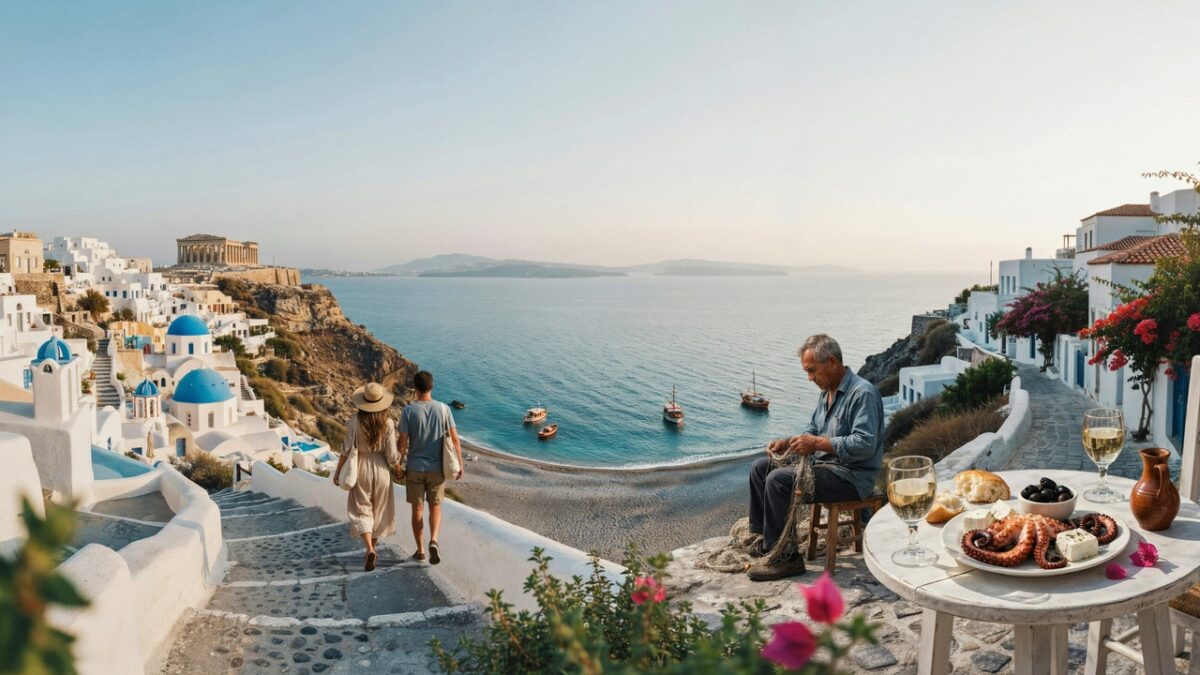
Image generated with Ai
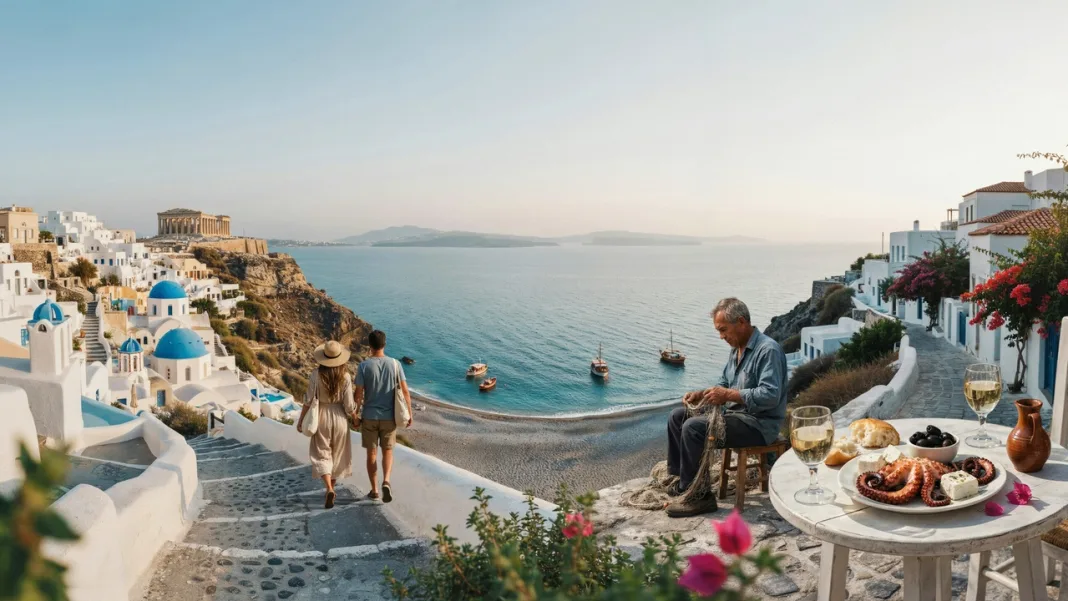
Greece is entering a new phase of tourism popularity as millions of European travellers place the Mediterranean nation among their preferred destinations for future holidays. The country’s combination of ancient history, world-famous islands, coastal landscapes, local cuisine and authentic cultural experiences continues to inspire strong international demand.
New travel preference research indicates that Greece remains one of Europe’s most attractive destinations, with around 29% of European travellers expressing plans to visit the country by May 2027. The results highlight Greece’s continued ability to compete with other leading European destinations through its diverse tourism offering.
Beyond traditional summer holidays, Greece is increasingly attracting travellers interested in heritage tourism, wellness escapes, outdoor adventures, gastronomy and slower-paced experiences. The country’s tourism strategy is expanding beyond famous island holidays to showcase a wider range of destinations throughout the year.
| Greece Tourism Strength | Visitor Appeal |
|---|---|
| Ancient heritage | Historic landmarks and archaeological sites |
| Greek islands | Beaches, sailing and coastal escapes |
| Mediterranean cuisine | Authentic food experiences |
| Natural landscapes | Hiking, adventure and outdoor travel |
| Cultural traditions | Festivals and local communities |
Why Greece Continues To Dominate European Travel Wish Lists?
Greece’s popularity is built on a rare combination of experiences that appeal to different types of travellers. From the historic streets of Athens to the whitewashed villages of the Cyclades, the country offers a balance between cultural discovery and relaxation.
Advertisement
Advertisement
The Greek National Tourism Organisation has continued promoting the country as a destination offering year-round experiences rather than only peak summer holidays. This approach supports growing interest in off-season travel, including city breaks, nature tourism and cultural journeys.
Recent tourism performance has already demonstrated Greece’s strong global appeal. The country welcomed approximately 40.7 million international travellers in 2024, supported by strong demand from European and overseas markets. Travel receipts also increased, highlighting tourism’s major contribution to the economy.
| Tourism Driver | Impact On Greece’s Appeal |
|---|---|
| Historic attractions | Attracts cultural travellers |
| Island experiences | Supports leisure tourism |
| Food traditions | Encourages culinary travel |
| Hospitality sector | Improves visitor experiences |
| Natural beauty | Expands adventure tourism |
Athens Combines Ancient Wonders With A Modern European City Experience
Athens remains one of Greece’s most important gateways for international visitors. The capital city connects thousands of years of history with modern restaurants, creative neighbourhoods, museums and contemporary cultural experiences.
The Acropolis and surrounding archaeological sites remain major attractions, but Athens has developed into a destination that offers much more than ancient monuments. Visitors can explore vibrant districts, rooftop dining, local markets and artistic communities.
Advertisement
Advertisement
The city’s growing tourism appeal also reflects Greece’s wider shift towards diversified travel experiences. Travellers are increasingly combining historic sightseeing with gastronomy, nightlife and urban exploration.
| Athens Attraction | Experience |
|---|---|
| Acropolis | Ancient Greek history |
| Plaka district | Traditional streets and local culture |
| Museums | Heritage and art |
| Food markets | Greek culinary discovery |
Greek Islands Continue To Drive Global Holiday Demand
The Greek islands remain among the country’s strongest tourism assets. Destinations such as Santorini, Crete, Rhodes, Corfu and Mykonos continue attracting international visitors with their beaches, landscapes, architecture and unique local identities.
However, Greece’s island tourism landscape is becoming more diverse. Travellers are increasingly searching for lesser-known islands and authentic experiences away from the busiest locations.
Crete offers a combination of beaches, archaeological sites, mountain villages and cuisine. Rhodes combines medieval heritage with coastal tourism. Smaller islands provide quieter alternatives for visitors seeking relaxation and local connections.
| Island Destination | Main Experience |
|---|---|
| Santorini | Scenic landscapes and luxury travel |
| Crete | History, food and nature |
| Rhodes | Medieval heritage and beaches |
| Corfu | Green landscapes and cultural influences |
| Mykonos | Luxury and entertainment |
Greek Culture And Heritage Create Powerful Reasons To Visit
Greece’s cultural influence remains one of its strongest tourism advantages. The country offers visitors direct access to ancient landmarks, traditional villages, religious sites and centuries-old customs.
UNESCO-listed heritage locations, archaeological sites and historic cities continue attracting travellers interested in learning about Greece’s contribution to world civilisation.
Beyond monuments, Greece’s living culture creates memorable experiences through music, festivals, local crafts and traditional celebrations.
| Cultural Experience | Why Travellers Choose It |
|---|---|
| Archaeological sites | Historical discovery |
| Traditional festivals | Local interaction |
| Greek cuisine | Authentic cultural connection |
| Villages and communities | Slow travel experiences |
Food Tourism Adds Another Dimension To Greece’s Global Appeal
Greek cuisine has become one of the country’s strongest tourism attractions. Visitors increasingly choose destinations based on food experiences, and Greece offers a culinary identity shaped by fresh ingredients, regional traditions and Mediterranean lifestyles.
From seafood restaurants along coastal villages to traditional tavernas serving local specialities, food plays an important role in how travellers experience the country.
Olive oil, seafood, cheeses, wines and regional dishes create opportunities for visitors to explore Greece through taste.
| Culinary Highlight | Tourism Value |
|---|---|
| Mediterranean diet | Healthy lifestyle experiences |
| Regional dishes | Local identity |
| Greek wines | Vineyard tourism |
| Traditional tavernas | Community experiences |
Sustainable And Year-Round Tourism Become Key Priorities For Greece
As visitor demand continues rising, Greece is focusing on creating a more balanced tourism model. The country is increasingly promoting destinations beyond peak-season hotspots and encouraging travellers to discover different regions throughout the year.
This approach aims to spread tourism benefits across local communities while reducing pressure on popular destinations.
Nature tourism, hiking routes, wellness travel and rural experiences are becoming increasingly important parts of Greece’s future tourism development.
| Emerging Tourism Trend | Opportunity |
|---|---|
| Off-season travel | Longer tourism calendar |
| Rural tourism | Support for local economies |
| Wellness travel | New visitor segments |
| Outdoor adventures | Destination diversification |
Greece’s Tourism Future Looks Strong As Global Travellers Seek Authentic Experiences
Greece’s continued popularity reflects changing traveller expectations. Modern visitors are increasingly looking for destinations that provide emotional connections, cultural depth and memorable experiences.
The country’s ability to combine ancient history with modern hospitality gives it a strong advantage in the competitive European travel market.
With strong demand continuing towards 2027, Greece is positioned not only as a classic Mediterranean holiday destination but also as a destination for culture, adventure and meaningful exploration.
Frequently Asked Questions
1. Why is Greece becoming one of Europe’s top travel choices for 2027?
Greece continues attracting travellers because of its combination of islands, history, cuisine, beaches and cultural experiences. Research shows strong future travel interest among European visitors.
2. Which Greek destinations are best for first-time visitors?
Athens, Santorini, Crete and Rhodes are popular choices because they combine major attractions, landscapes, culture and accommodation options.
3. Is Greece only a summer destination?
No. Greece is increasingly promoting year-round tourism through cultural trips, hiking, wellness experiences and city breaks.
4. What makes Greek islands popular worldwide?
Greek islands offer beautiful coastlines, traditional villages, local food, historic sites and unique landscapes that appeal to international travellers.
5. How important is tourism to Greece’s economy?
Tourism is one of Greece’s most important economic sectors, generating significant employment and international revenue. In 2024, travel receipts reached more than €21 billion.
Conclusion
Greece’s rise on European travel wish lists for 2027 reflects the country’s unmatched combination of heritage, landscapes, cuisine and hospitality. From Athens historic treasures to the legendary Greek islands, the destination continues evolving to meet changing traveller expectations. Strong international demand demonstrates that Greece remains one of Europe’s most powerful tourism destinations. As visitors increasingly search for authentic and meaningful journeys, Greece’s cultural richness and Mediterranean charm ensure its position as a leading global travel choice.
Advertisement
Advertisement