
The Odisha Cabinet, chaired by Chief Minister Mohan Charan Majhi, has approved the ambitious Parbati Giri Mega Lift Irrigation Project with an estimated outlay of Rs 12,458.04 crore to create an additional irrigation potential of 262,275 hectares through 161 mega lift irrigation schemes across all districts of the state.
The project will be implemented from the state’s own resources over five years — from FY27 to FY31 — marking a major push by the government to expand assured irrigation in upland and water-deficit areas where conventional gravity-based irrigation is not feasible.
Although agriculture remains the primary source of livelihood for a large section of Odisha’s population, a significant portion of cultivable land continues to depend on rainfall despite the expansion of irrigation infrastructure. This leaves farmers vulnerable to erratic monsoons, drought and the growing impact of climate change.
The Parbati Giri project has been conceived against this backdrop, with the government seeking to provide more reliable irrigation to areas that have traditionally remained outside the reach of conventional irrigation systems.
According to the Water Resources Department, 209 mega lift irrigation schemes have already been completed, creating an irrigation potential of 266,000 hectares across 23 districts since its inception in 2011-12. The Parbati Giri project will substantially expand this coverage, with 161 additional schemes planned across all districts of the state.
Anu Garg, chief secretary, said the state government has focused on mega lift irrigation projects as a means of extending irrigation to geographically challenging areas, particularly where water cannot be distributed through gravity-based systems.
“The upcoming 161 schemes will rely on surface water and an underground pipeline distribution system to carry water to agricultural areas. The use of efficient underground pipelines is expected to reduce conveyance losses and improve overall water-use efficiency,” she said.
A key advantage of the mega lift model is its relatively shorter gestation period compared with conventional irrigation projects. The government expects this will allow the benefits of assured irrigation to reach farmers within a shorter timeframe in rainfed agricultural regions, where access to reliable water can directly influence cropping decisions, productivity and farm incomes.
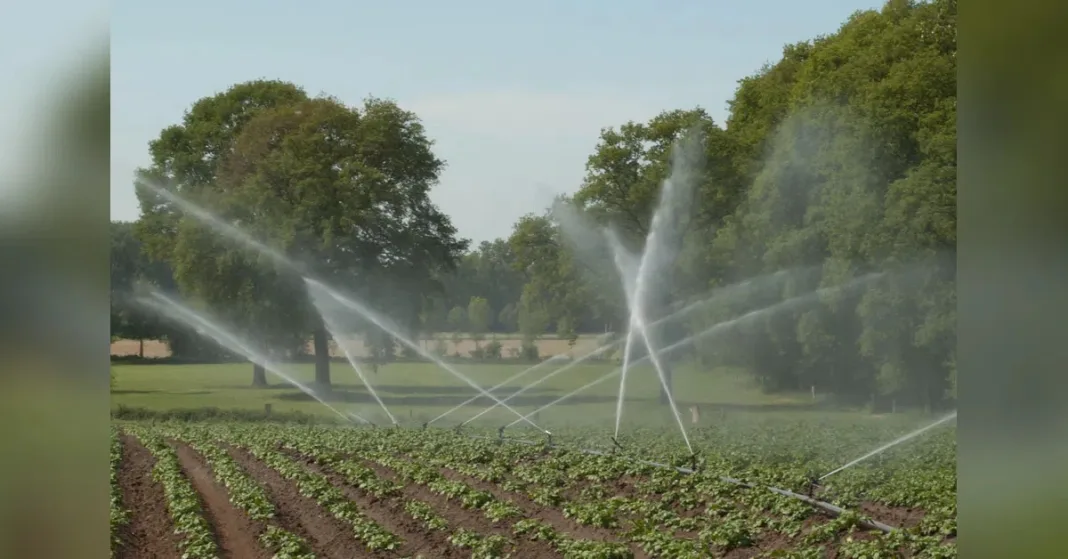
The Parbati Giri project also seeks to go beyond simply increasing the availability of irrigation water. Its pressurised pipeline distribution system will be compatible with micro-irrigation technologies, allowing more efficient application of water at the farm level. This integration will promote judicious use of available water resources and improve water-use efficiency.
Assured irrigation could also encourage a shift in the cropping pattern in the state. With greater availability of water, farmers may have an opportunity to diversify away from water-intensive paddy cultivation towards higher-value cash crops. Such diversification is expected to improve agricultural productivity and provide scope for higher farm incomes.
Another anticipated benefit is an increase in cropping intensity. Reliable irrigation can enable farmers to cultivate more than one crop during the year, reducing their dependence on the monsoon and making agricultural production more resilient to rainfall variability. The government expects this to contribute to more sustainable agricultural development across the state.
“This mega lift irrigation project is a major component of Odisha’s strategy to strengthen irrigation infrastructure, reduce the vulnerability of agriculture to climate and rainfall uncertainties, and improve the economic returns from farming. Its emphasis on underground pipelines, pressurised distribution and compatibility with micro-irrigation gives the project a strong focus on efficient and sustainable water management,” Garg added.