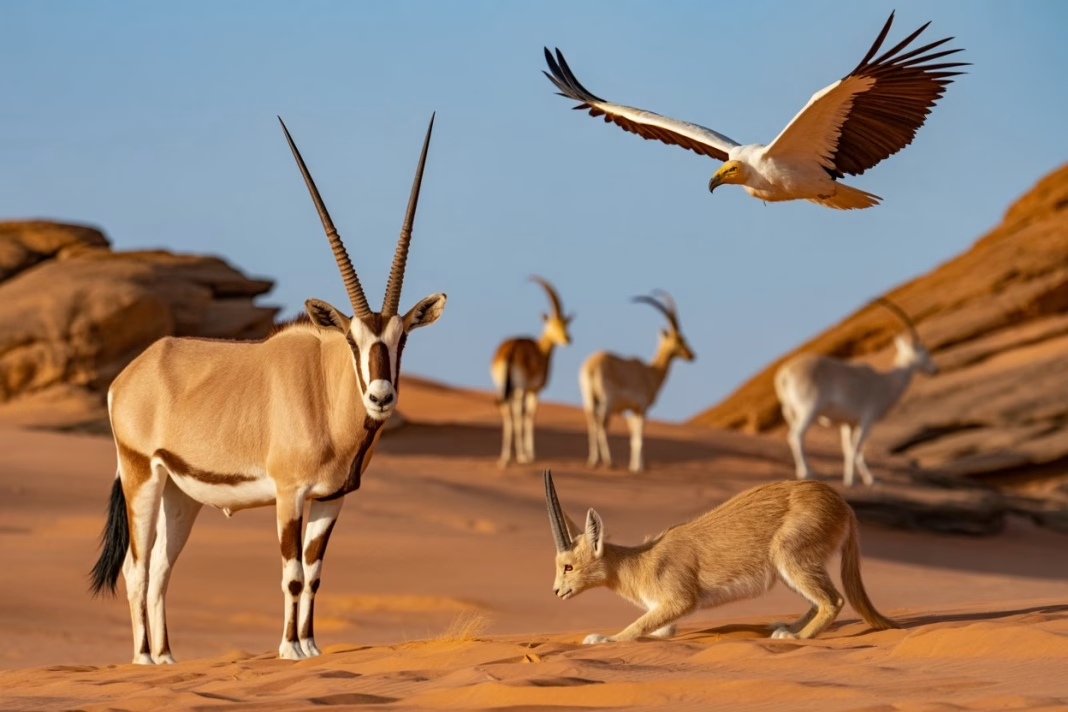


Wildlife tourism is gaining momentum across the Americas as provinces, states, and regional authorities develop nature-based visitor experiences to support local economies and protect biodiversity. Canada, Brazil, Argentina, Ecuador, Peru, and Costa Rica are among the countries advancing tourism opportunities centered on wildlife observation, rainforest exploration, marine conservation, and protected landscapes. From polar bear expeditions in Manitoba to jaguar safaris in Brazil’s Pantanal and conservation tourism in Argentina’s Iberá wetlands, destinations are connecting environmental protection with visitor spending. These developments reflect growing efforts to diversify tourism beyond major cities while creating economic opportunities for rural and remote communities.
Major Provinces and Regions Developing Wildlife Tourism
| Country | Province, state or region | Major wildlife attractions | Nature-based tourism experiences |
| Canada | British Columbia | Grizzly bears, whales, orcas, salmon, coastal birds | Bear watching, whale watching, rainforest excursions, Indigenous-guided tours |
| Canada | Manitoba | Polar bears, beluga whales, Arctic birds | Churchill polar bear expeditions, beluga encounters, tundra interpretation |
| Canada | Québec | Whales, seals, seabirds, woodland wildlife | St Lawrence whale watching, marine interpretation, forest tourism |
| Canada | Newfoundland and Labrador | Puffins, whales, seabirds, caribou | Coastal wildlife cruises, birdwatching, nature trails |
| Canada | Alberta | Bison, elk, bears, bighorn sheep | National park wildlife viewing, guided nature excursions |
| Argentina | Corrientes | Jaguars, giant anteaters, caimans, marsh deer, birds | Iberá wetland safaris, boat tours, wildlife photography |
| Argentina | Chubut | Southern right whales, penguins, orcas, sea lions | Península Valdés wildlife excursions, whale watching |
| Argentina | Misiones | Toucans, coatis, monkeys, rainforest birds | Iguazú rainforest trails, birdwatching |
| Brazil | Mato Grosso | Jaguars, giant otters, macaws, caimans | Pantanal wildlife safaris, river excursions, birdwatching |
| Brazil | Amazonas | Pink river dolphins, monkeys, sloths, birds | Amazon river journeys, forest walks, community tourism |
| Brazil | Pará | Sloths, monkeys, Amazonian birds | Protected forest trails, river tourism, nature interpretation |
| Brazil | Mato Grosso do Sul | Macaws, caimans, wetland birds, freshwater wildlife | Pantanal excursions, Bonito nature tourism |
| Ecuador | Galápagos | Giant tortoises, marine iguanas, sea lions, seabirds | Guided wildlife visits, snorkelling, marine excursions |
| Ecuador | Napo | Monkeys, parrots, amphibians, rainforest birds | Amazon lodges, forest walks, Indigenous-guided experiences |
| Peru | Madre de Dios | Macaws, giant otters, monkeys, tapirs, jaguars | Tambopata wildlife tours, canopy walks, river safaris |
| Peru | Loreto | Pink dolphins, monkeys, birds, Amazonian wildlife | Amazon river cruises, forest lodges, community excursions |
| Costa Rica | Limón | Sea turtles, monkeys, sloths, tropical birds | Tortuguero turtle observation, canal excursions |
| Costa Rica | Guanacaste | Howler monkeys, tropical birds, marine turtles | Dry forest walks, protected coastal tours, birdwatching |
| Costa Rica | Puntarenas | Scarlet macaws, monkeys, tapirs, marine wildlife | Corcovado rainforest expeditions, marine wildlife tours |
Why Are American Provinces Increasing Their Focus on Wildlife Tourism?
Wildlife tourism is emerging as an important strategy for destinations seeking to attract travelers beyond conventional sightseeing attractions. Across the Americas, regional governments recognize that protected forests, wetlands, coastlines, and wildlife habitats can support distinctive visitor experiences while encouraging environmental conservation.
Advertisement
Advertisement
Canada’s provinces have established nature tourism industries around marine mammals, Arctic wildlife, and wilderness landscapes. Meanwhile, several South American states are developing specialized tourism products focused on biodiversity and ecosystem restoration.
Brazil’s Mato Grosso is expanding opportunities for primate observation alongside its established jaguar tourism industry. Argentina’s Corrientes province is linking wildlife recovery with tourism development in the Iberá wetlands.
These initiatives offer opportunities for local guides, accommodations, transportation operators, and community businesses. They also encourage travelers to explore lesser-known destinations.
However, wildlife tourism requires careful management. Authorities must balance visitor demand with habitat protection, animal welfare, and infrastructure capacity to ensure that tourism growth does not undermine the natural environments attracting visitors.
Advertisement
Advertisement
How Is Canada Strengthening Wildlife Tourism Across Its Provinces?
Canada remains an important destination for wildlife tourism because its provinces offer experiences across Arctic, coastal, forest, and mountain environments. British Columbia, Manitoba, Québec, Alberta, and Newfoundland and Labrador are particularly significant.
In British Columbia, travelers can observe grizzly bears, whales, orcas, and coastal wildlife. The province’s tourism strategy for 2026–2028 emphasizes sustainable destination development, regional tourism opportunities, and protection of natural and cultural assets.
Manitoba attracts international visitors through Churchill, where polar bear expeditions and beluga whale encounters support northern tourism. These experiences also create demand for specialized guides and wilderness accommodations.
Québec promotes whale watching along the St. Lawrence, while Newfoundland and Labrador attract visitors interested in puffins, seabirds, and marine wildlife.
Alberta offers wildlife observation in its national parks, where visitors may encounter elk, bison, bears, and bighorn sheep.
Together, these provinces demonstrate how diverse ecosystems can support specialized tourism markets without relying exclusively on urban attractions.
Advertisement
Advertisement
Why Is Brazil Becoming a Major Destination for Nature-Based Tourism?
Brazil is expanding its nature-based tourism offerings through initiatives in Mato Grosso, Mato Grosso do Sul, Amazonas, and Pará. These regions contain extensive wetlands, tropical forests, and internationally significant wildlife habitats.
Mato Grosso’s Pantanal is particularly important for jaguar observation. Guided river excursions allow travelers to encounter wildlife while supporting local tourism businesses.
In May 2026, Mato Grosso introduced a primate tourism route designed to connect wildlife observation with scientific interpretation and Amazonian biodiversity.
Mato Grosso do Sul is strengthening birdwatching and protected-area tourism. During 2026, state authorities advanced tourism service registration in protected areas and promoted specialist birdwatching experiences.
Amazonas and Pará offer additional opportunities through rainforest excursions, river journeys, and community-based tourism.
These developments could help distribute tourism activity across more destinations. Nevertheless, habitat conservation remains essential. Increased boat traffic, visitor pressure, and infrastructure demands require effective regulation to protect sensitive ecosystems and maintain the quality of wildlife encounters.
Advertisement
Advertisement
How Is Argentina Turning Wildlife Conservation Into Tourism Opportunities?
Argentina is developing wildlife tourism through conservation initiatives that connect ecosystem restoration with regional economic opportunities. Corrientes, Chubut, and Misiones provide important examples of this approach.
Corrientes is particularly notable because of the Iberá wetlands, where wildlife restoration has helped strengthen the destination’s appeal.
In October 2026, Argentina’s National Parks Administration and Rewilding Argentina renewed cooperation supporting ecological restoration, wildlife recovery, public access, and surrounding communities.
The region has also recorded the recovery of its jaguar population, with conservation reporting indicating at least 50 wild jaguars in Iberá during 2026.
Meanwhile, Chubut attracts travelers through marine wildlife experiences around Península Valdés. Southern right whales, penguins, sea lions, and orcas support established nature tourism activities.
Misiones offers rainforest experiences around Iguazú and the Atlantic Forest.
Advertisement
Advertisement
Argentina’s approach demonstrates how conservation projects can create tourism opportunities while strengthening the appeal of rural destinations that might otherwise receive limited international attention.
What Makes Ecuador and Peru Important for Wildlife Tourism Development?
Ecuador and Peru offer wildlife tourism experiences across island ecosystems, tropical forests, and major river systems. Both countries rely on protected landscapes to attract travelers seeking biodiversity and outdoor exploration.
Ecuador’s Galápagos Islands remain internationally recognized for giant tortoises, marine iguanas, sea lions, and seabirds. Regional authorities continue coordinating conservation and responsible tourism management to protect these sensitive environments.
In August 2026, Ecuador reported more than 1.55 million visits to natural areas nationwide during the first eight months of the year, representing a 6% increase compared with the corresponding period in 2025.
In mainland Ecuador, Napo province supports rainforest tourism through guided forest excursions and Indigenous-led experiences.
Peru’s Madre de Dios region offers wildlife observation around Tambopata National Reserve, where visitors can encounter macaws, monkeys, giant otters, and other rainforest species.
Advertisement
Advertisement
Loreto provides Amazon river tourism and forest-based experiences.
These destinations illustrate the importance of regulated access and conservation-led visitor management.
How Is Costa Rica Supporting Wildlife Tourism Through Protected Areas?
Costa Rica has developed a substantial nature tourism industry around protected areas, tropical biodiversity, and wildlife observation. Provinces including Limón, Guanacaste, and Puntarenas offer distinct visitor experiences.
In Limón, Tortuguero National Park attracts travelers interested in sea turtle nesting, tropical birds, and wildlife observation along its waterways.
Authorities regulate visitor access and wildlife encounters to reduce disturbance to sensitive habitats.
Guanacaste offers dry forest ecosystems, marine turtle habitats, and birdwatching opportunities. Its conservation areas distinguish between public tourism zones and locations reserved for research or environmental protection.
Advertisement
Advertisement
Puntarenas attracts nature enthusiasts through Corcovado National Park and surrounding coastal ecosystems. Visitors can explore rainforest habitats with authorized guides while learning about biodiversity conservation.
Costa Rica’s model demonstrates how established protected-area management can support tourism businesses.
Its continued challenge is maintaining environmental standards as visitor demand grows, particularly in ecosystems where wildlife disturbance could affect long-term conservation outcomes.
What Economic Opportunities and Environmental Challenges Lie Ahead?
Wildlife tourism offers opportunities for economic diversification across the Americas, particularly in rural regions where conventional tourism infrastructure remains limited.
Guided wildlife excursions, specialist photography tours, eco-lodges, and community-operated experiences can generate demand for local services. These activities may also encourage longer stays in destinations with multiple natural attractions.
However, economic benefits are not automatic. Regional authorities must ensure that local communities participate meaningfully in tourism development.
Advertisement
Advertisement
Environmental pressures also require attention. Wildlife observation can disturb animals when operators approach too closely or concentrate activities in sensitive habitats.
Brazil’s Pantanal illustrates these concerns, as authorities consider infrastructure and environmental management measures associated with growing wildlife tourism activity.
Climate change presents additional challenges, particularly for Arctic wildlife tourism and marine ecosystems.
The long-term success of these destinations will depend on maintaining healthy wildlife populations, enforcing visitor regulations, improving infrastructure, and monitoring environmental impacts.
Across the Americas, the central opportunity is clear: wildlife tourism can support regional development when conservation remains fundamental to the visitor experience.
The growing focus on nature-based travel signals a significant shift in regional tourism development. Governments are recognizing that biodiversity can support local economies while encouraging environmental protection. Canada’s wilderness experiences, Brazil’s specialist wildlife routes, Argentina’s restoration projects, and Ecuador’s conservation programs demonstrate different approaches to attracting visitors. However, expanding tourism also brings risks, including habitat disturbance, infrastructure pressure, and seasonal overcrowding. Strong regulations, community participation, and responsible visitor management remain essential. By protecting ecosystems while creating meaningful travel experiences, these destinations can strengthen rural employment, diversify tourism revenue, and establish lasting opportunities for conservation-led economic development across the region.