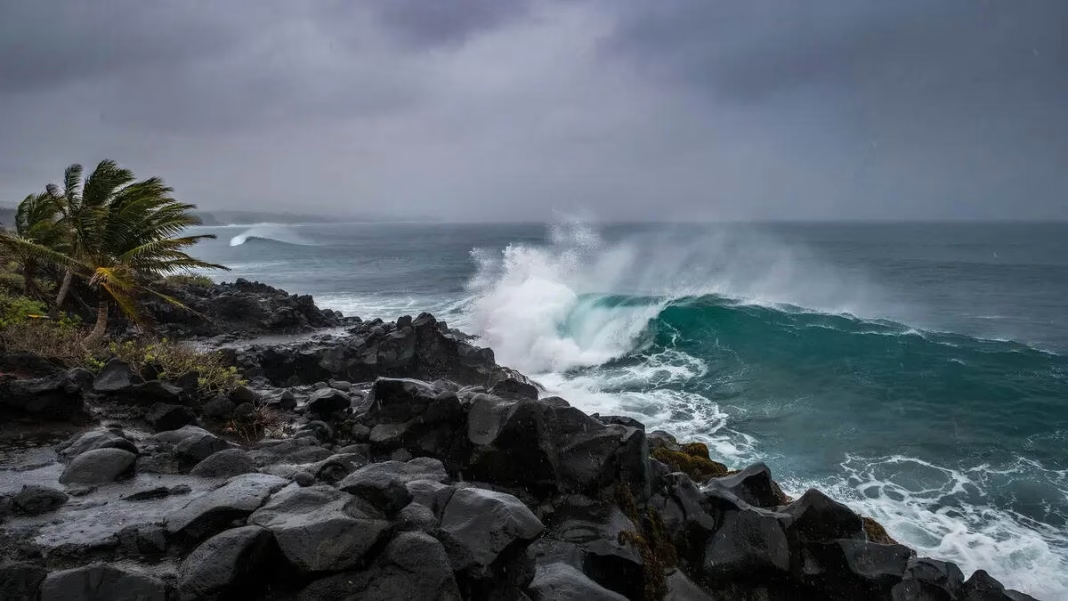


La Palma is fighting back against Storm Bruna’s high winds and torrential rains. The Canaries, known worldwide as a tropical paradise and a top getaway for British tourists are now at war thanks to Storm Bruna. The beautiful archipelago is being hit by the stormy weather and the Spanish Met Office AEMET has issued orange alerts. Thousands of tourists, especially those from the UK looking for some winter sunshine have been hit with a harsh reminder that their dream destination is now a place of great danger. There has been chaos with travel and many of the most popular natural attractions on the islands have been placed under lockdown.
As the situation develops, local authorities are pulling no punches. The message is clear: nature is currently in charge, and survival and safety must immediately take precedence over sightseeing and recreation.
The Anatomy of a Deluge: Deciphering Storm Bruna’s Fury
Storm Bruna is not a standard winter rain shower; it is a multi-front assault on the archipelago, bringing a lethal combination of torrential rainfall, hurricane-force wind gusts, and violent coastal surges.
At the heart of the threat is the sheer volume of water falling from the sky. Meteorologists are tracking an astonishing precipitation rate, with forecasts predicting up to 100 liters of rain per square meter crashing down within a mere 12-hour window. In the steep, volcanic terrain of the Canary Islands, this volume of water cannot be absorbed by the soil. Instead, it funnels directly into the island’s networks of ravines and gorges, turning dry riverbeds into raging, unstoppable torrents of mud, rock, and water within minutes.
Advertisement
Advertisement
Accompanying the relentless rain are ferocious southwesterly winds. Exposed mountainous ridges and vulnerable coastal stretches are being battered by gusts reaching and exceeding 90 kilometers per hour. These winds are strong enough to uproot trees, tear unsecured objects from hotel balconies, and make driving on the winding mountain roads a potentially fatal endeavor.
Furthermore, the Atlantic Ocean has been whipped into a frenzy. The northern and western coastlines of the islands are facing 3 to 4-meter-high waves. Combined with naturally occurring high tides, the sea is actively breaching breakwaters, threatening to inundate seafront promenades, and making the normally inviting waters highly lethal.
Advertisement
Advertisement
Island by Island: An Archipelago Under Siege
The impact of Storm Bruna is vast, but it is not entirely uniform. The weather system is tearing across the different islands—each functioning as a distinct geographical region with its own unique vulnerabilities—creating varying levels of crisis.
The Frontline: La Palma La Palma stands as the primary shield of the archipelago and is currently absorbing the most catastrophic impacts of the storm. As the westernmost point of contact, it is bearing the absolute brunt of the 100-liter-per-square-meter deluge. The island’s notoriously steep topography makes it incredibly susceptible to catastrophic landslides and rapid flash flooding. Authorities here are on the highest alert, managing an emergency response that requires residents and tourists to remain strictly indoors.
Advertisement
Advertisement
The Populated Hubs: Tenerife and Gran Canaria Tenerife and Gran Canaria, the two most heavily populated islands and the epicenters of UK tourism, have been blanketed by sweeping orange warnings. In Tenerife, the alert covers the densely populated Santa Cruz metropolitan area, as well as the tourist-heavy southern and western coasts. Gran Canaria is facing severe threats along its eastern, southern, and western slopes, as well as high up in its mountainous interior. The sheer number of tourists on these two islands makes the logistical challenge of keeping people safe immensely complex.
The Rugged Outposts: La Gomera and El Hierro These smaller, western islands are entirely enveloped in the high-risk orange alert. Known for their rugged, untouched nature and deep valleys, La Gomera and El Hierro are facing intense wind gusts and severe rainfall. The isolated nature of some of the villages on these islands makes road washouts and infrastructure damage a critical concern for local emergency services.
The Eastern Flank: Lanzarote, Fuerteventura, and La Graciosa While the western islands face the heaviest assault, the eastern islands have not been spared. Lanzarote, Fuerteventura, and the tiny island of La Graciosa have been placed under official pre-alerts for moderate to high risk. Even though the rainfall totals may be slightly lower here, the Canary Islands Government has issued a blanket, archipelago-wide pre-alert for flooding and thunderstorms. Because these eastern islands are flatter and less accustomed to heavy rain, urban water accumulation and sudden storm surges still pose a significant threat to visitors.
Paradise Locked Down: Sweeping Closures and Cancellations
In a desperate and necessary bid to prevent loss of life, the local island governments (Cabildos) have essentially shut down the outdoor tourism industry. The sweeping closures are a massive blow to travel itineraries, but they are essential life-saving measures.
Advertisement
Advertisement
All access to the islands’ protected natural areas has been strictly prohibited. Every forest track, hiking path, and mountain trail is legally off-limits until further notice. This includes the complete shutdown of iconic, world-renowned hiking destinations such as the Barranco de Masca (the Masca gorge) and the Barranco del Infierno (Hell’s Gorge) in Tenerife.
The lockdown extends beyond hiking. All campsites, picnic spots, and outdoor recreational areas have been evacuated and barricaded. The government has suspended all permits for outdoor sports, canyoning, rock climbing, and even commercial filming. Local sporting events have been entirely scrubbed from the calendar. Tourists who traveled to the Canaries for adventure sports or nature exploration are now confined to their resorts, as venturing into the wilderness during Storm Bruna is considered a reckless endangerment of both the individual and the rescue workers who would have to save them.
The Timeline of Turbulence: A Deceptive Lull and a Midweek Strike
The timing of Storm Bruna has maximized its disruptive potential. The severe weather began battering the westernmost islands late on Saturday night, November 7, catching many weekend arrivals off guard. By Sunday, November 8, the storm hit its ferocious peak, grounding the archipelago in a state of high emergency.
However, meteorologists warn that the storm’s timeline is deceptive. Current models suggest that while the most severe orange warnings might temporarily expire—and conditions may show a slight, misleading improvement by Monday and Tuesday—the danger is far from over. Forecasts indicate that the atmospheric instability will likely surge again, with rain and wind expected to heavily intensify by Wednesday. Tourists are being explicitly warned not to let their guard down during the brief early-week lull, as the secondary midweek strike could easily overwhelm terrain that is already saturated and highly unstable.
A Stern Directive for UK Tourists and International Travelers
The Canary Islands Directorate-General for Emergencies has issued a stark set of self-protection guidelines. For UK tourists and all international travelers currently on the islands, these are not mere suggestions; they are critical survival directives.
1. Stay Away from the Water The allure of the dramatic, stormy sea is deadly. Tourists are ordered to stay entirely away from seafront promenades, breakwaters, piers, and natural rock pools. A rogue wave can sweep a person out to sea in a fraction of a second, and the 4-meter surges currently battering the coast leave no room for error.
Advertisement
Advertisement
2. Fear the Ravines The single greatest threat to life during a Canary Island storm is the barranco (ravine). Tourists are strictly warned never to hike near, walk through, or cross riverbeds or watercourses. Even if a ravine looks bone dry, a sudden deluge miles up the mountain can send a lethal wall of water crashing down the channel without a moment’s warning.
3. Ground All Travel All unnecessary journeys must be canceled. Driving on winding, mountainous roads in 90 km/h winds is exceptionally dangerous. Furthermore, motorists are explicitly instructed never to attempt to drive through flooded roadways or enter flooded underground garages, as vehicles can easily be swept away by swiftly moving water less than a foot deep.
4. Emergency Readiness Every visitor is urged to keep their mobile phones fully charged in case of power outages and to monitor local authority updates constantly. If a life-threatening situation arises, the pan-European emergency number 112 is the vital lifeline to police, fire, and medical rescue services.
Ultimately, as La Palma stands firm alongside Tenerife, Gran Canaria, and the rest of the archipelago, the focus has shifted entirely from hospitality to survival. Storm Bruna is a potent reminder of nature’s raw power, forcing the Canary Islands to pull together to weather the storm and keep every resident and visitor safe until the skies finally clear.