
A $25 billion liquefied natural gas (LNG) export project in Alaska has become embroiled in a controversy over alleged Russian financing and control, leading to the resignation of senior American executives and raising questions about compliance with US sanctions.
Joel Riddle, the former chief executive of Polar Train LNG, has accused Russian energy company Novatek of financing the venture and influencing its strategic decisions before securing the necessary approvals from US authorities, according to a report by the Financial Times.
Riddle resigned in September, followed by several senior executives, including chief financial officer Dan Chandra, executive vice-president Jim Smith and executions manager Jody Trantham, the report said.
Polar LNG has rejected the allegations, maintaining that its development activities comply with US laws. No US authority has publicly established that the alleged financing constituted a sanctions violation.
What is the $25 billion Alaska LNG project?
Polar Train LNG was launched in March 2026 to develop a natural gas export terminal on Alaska’s North Slope, a region containing substantial natural gas reserves.
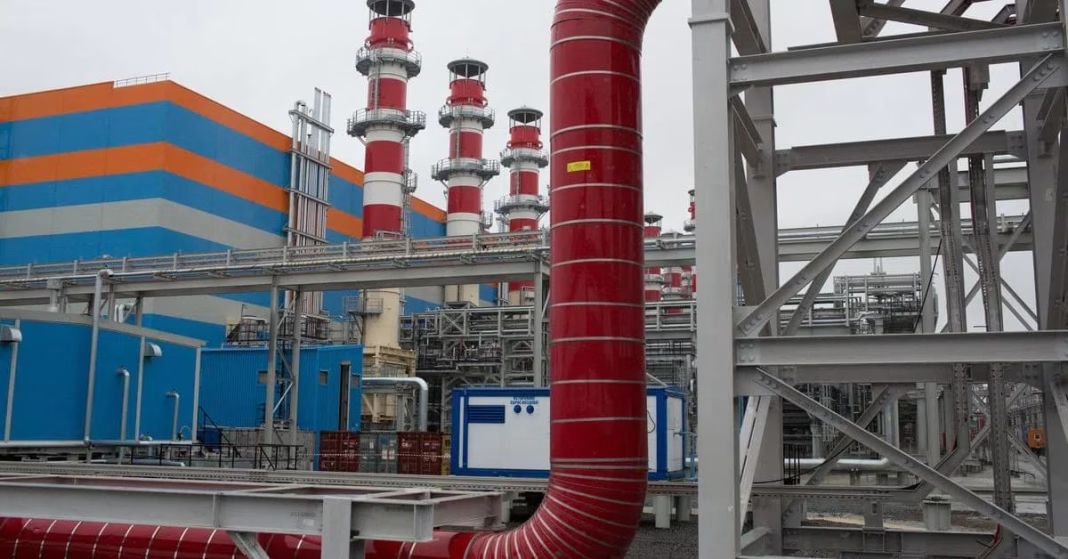
The project includes repurposing a partially constructed LNG facility developed by Novatek in Russia and transporting the infrastructure to Alaska. The approach is intended to take advantage of existing technology and equipment rather than construct an entirely new facility.
The company has approached the US Treasury Department’s Office of Foreign Assets Control (OFAC) for permission to acquire the unfinished Russian infrastructure.
In an October 23 statement, Polar LNG said it had completed summer fieldwork and initiated preliminary engineering activities involving American contractors. The company is targeting the start of gas deliveries by the end of 2030, subject to obtaining permits, financing and completing engineering requirements.
The venture is separate from the larger Alaska LNG development led by Glenfarne Group, which plans to transport North Slope gas through a pipeline to an export facility in southern Alaska.
Why did Polar LNG’s American executives resign?
Riddle, a former ExxonMobil engineer, told the Financial Times that he initially understood the project to be financed by American investor Gentry Beach and Abu Dhabi-based Tech Wave Industrial Projects Management.
Beach, who reportedly has ties to Trump’s family, was associated with the venture during its early development.
However, Riddle claimed he discovered that Beach had not invested in the company and was neither a shareholder nor a director.
He alleged that Novatek was providing financing and influencing the venture’s strategic direction despite the absence of the required US approvals.
Riddle said his concerns about the source of funding and the potential sanctions implications led him to resign.
The Financial Times reported that WhatsApp communications involving Denis Solovyov, a senior Novatek executive and management board member, discussed project financing and efforts to accelerate the transfer of funds to Polar Train LNG.
Riddle also sought legal advice from American law firm Baker Botts concerning possible sanctions risks associated with the project.
The legal assessment identified potential Russia-related sanctions concerns surrounding the proposed involvement of Bjørn Gundersen, a Norwegian businessman associated with the venture who had previously worked for Novatek.
Following Riddle’s departure, Polar LNG appointed Tim Talkington, a former chief executive of Goldman Sachs’ Russian operation, as acting chief executive.
What has Novatek said about the allegations?
Novatek has acknowledged its commercial involvement in the proposed Alaska project. However, it rejected allegations that it secretly controlled the venture or linked the provision of its technology to sanctions relief.
The Russian company said it had granted Tech Wave the right to use its technology in Alaska and signed a memorandum of understanding with Polar Train LNG in April, when Riddle was chief executive.
It maintained that the project would require the necessary approvals from both American and Russian authorities.
Polar LNG disputed Riddle’s account of his departure, describing him as a “disgruntled former employee” who had been dismissed.
In its statement, the company said Tech Wave had provided funding and initiated preliminary engineering work with US contractors. It added that the project continued to seek American investors and implementation partners, reported the Financial Times.
Tech Wave, meanwhile, said Novatek held no ownership interest in the company and that Gundersen had invested a combination of personal and borrowed funds in Polar LNG.
Why does the Russian connection raise US sanctions concerns?
The controversy centres on Novatek’s involvement in Russia’s Arctic LNG 2 project, which has faced US restrictions following Moscow’s invasion of Ukraine.
In November 2023, the Joe Biden administration imposed sanctions on the company operating Arctic LNG 2 as part of broader measures intended to constrain Russia’s future energy production and export capacity.
The project, located on Russia’s Arctic coast, was designed to produce nearly 20 million tonnes of LNG annually but has encountered difficulties becoming fully operational because of Western restrictions.
Importantly, Novatek itself has been subject to certain US financing restrictions, while Arctic LNG 2’s operator faces blocking sanctions. The distinction matters because not every commercial transaction involving Novatek is automatically prohibited.
The Financial Times reported that Polar LNG had sought approval from the US Treasury to negotiate with Novatek but had not received the necessary permission.
A Treasury official told the newspaper that the department took potential sanctions violations seriously but would not comment on specific allegations.