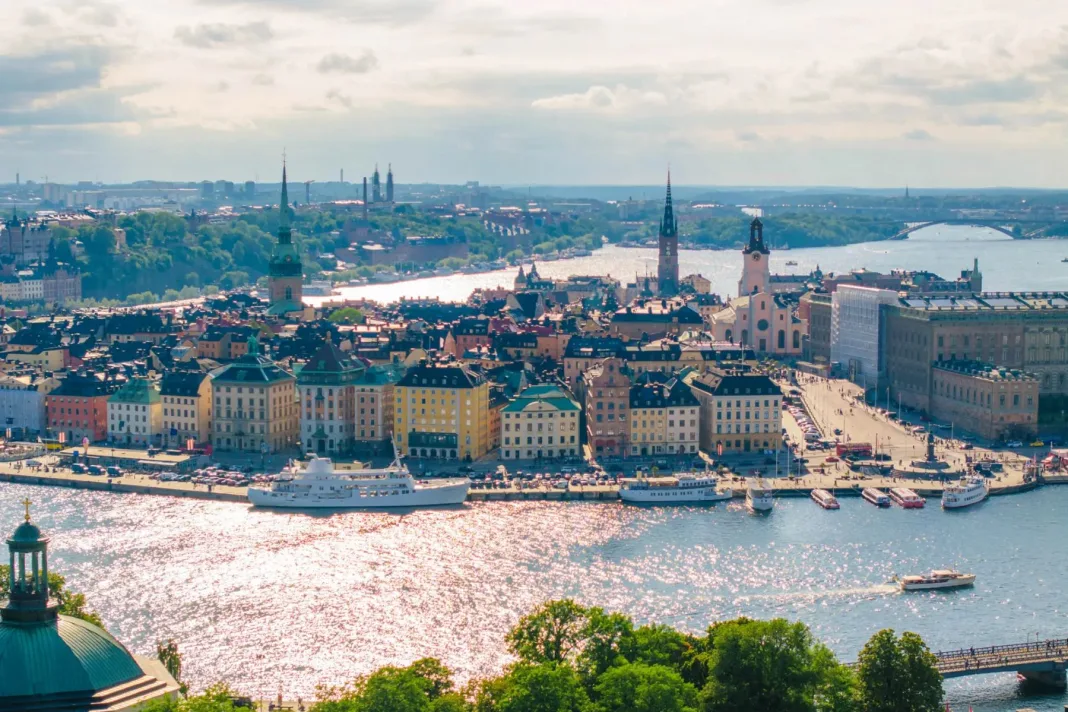


Sweden unites England, Scotland, Greece, Portugal and other European destinations in a spectacular birdwatching tourism surge ahead of 2027, as protected wetlands, coastal habitats and seasonal migration routes strengthen the continent’s appeal for nature-focused holidays. Travellers can explore birdlife across Swedish peninsulas, British wildlife reserves, Mediterranean lagoons and Central European national parks. These environments support specialist guided excursions, wildlife photography, educational visits and slower forms of travel. Europe’s expanding range of birdwatching experiences also creates opportunities for regional accommodation, local transport and tourism services, while placing greater importance on conservation, responsible visitor management and the protection of sensitive habitats.
Why Is Europe Emerging as a Leading Destination for Birdwatching Holidays in 2027?
Birdwatching holidays in Europe combine wildlife observation with accessible tourism infrastructure, diverse landscapes and predictable seasonal migration patterns. The continent offers coastal wetlands, freshwater lakes, grasslands, forest reserves and offshore islands that support different bird populations throughout the year. The 2026 AllClear birdwatching study assessed more than 100 international locations using recorded species, notable birds, weather conditions, airport proximity and estimated daily travel costs. Its European results highlight destinations across eight countries, counting England and Scotland separately. Sweden leads the regional list, while English reserves occupy several prominent positions. These findings identify established birdwatching destinations rather than guaranteeing future tourism growth.
- Sweden ranks first in the European destination assessment.
- England accounts for five locations in the top 15.
- Scotland and Greece each have two ranked destinations.
- Portugal, France, Spain and Hungary add significant habitat diversity.
- Birdwatching tourism creates opportunities for specialist travel beyond conventional holiday seasons.
| Tourism indicator | Verified 2026 study finding |
|---|---|
| Study coverage | More than 100 international birdwatching sites |
| Highest-ranked European destination | Falsterbo Peninsula, Sweden |
| Highest European score | 50.7/100 |
| European locations listed | 15 |
| Main assessment criteria | Birdlife, climate, accessibility and costs |
| Primary evidence | AllClear 2026 destination study |
Which Are Europe’s Top 15 Birdwatching Destinations According to the 2026 Ranking?
The 2026 ranking identifies established European birdwatching locations across coastal reserves, islands, marshlands, lakes and national parks. Falsterbo Peninsula leads through a combination of bird diversity, notable species and travel-related criteria. Titchwell Marsh follows closely, demonstrating the importance of managed wildlife reserves in English nature tourism. Fair Isle also ranks highly because of its migration significance. Mediterranean destinations such as Kalloni Saltpans, Ria Formosa and Camargue offer contrasting habitats, while Hortobágy contributes a major Central European grassland ecosystem. Importantly, the numerical scores are calculated by AllClear. They are not government biodiversity ratings or official tourism performance statistics.
| Rank | Destination | Country | Score /100 |
|---|---|---|---|
| 1 | Falsterbo Peninsula | Sweden | 50.7 |
| 2 | Titchwell Marsh | England | 50.2 |
| 3 | Fair Isle | Scotland | 49.7 |
| 4 | Kalloni Saltpans, Lesvos | Greece | 47.7 |
| 5 | Minsmere | England | 46.4 |
| 6 | Lake Kerkini National Park | Greece | 45.2 |
| 7 | Rutland Water | England | 44.7 |
| 8 | Slimbridge Wetland Centre | England | 44.3 |
| 9 | Bowling Green Marsh | England | 43.3 |
| 10 | Ria Formosa Natural Park | Portugal | 42.4 |
| 11 | Camargue | France | 41.2 |
| 12 | Ebro Delta | Spain | 38.2 |
| 13 | Hortobágy National Park | Hungary | 37.6 |
| 14 | Monfragüe National Park | Spain | 36.5 |
| 15 | Loch Gruinart | Scotland | 36.4 |
- The leading three European destinations are in Sweden, England and Scotland.
- England has the largest number of individually ranked sites.
- Greek birdwatching destinations include both island and inland wetland ecosystems.
- Spain contributes two contrasting protected landscapes.
- The rankings account for practical travel factors as well as recorded birdlife.
Sweden Strengthens Its Birdwatching Tourism Appeal Through Falsterbo’s Remarkable Migration Route
Sweden occupies the leading position in the European ranking through Falsterbo Peninsula, a coastal landscape in Skåne. Its geographical position makes it particularly important for southbound birds during autumn migration. Visit Sweden identifies the Skanör–Falsterbo area as a significant destination for coastal nature and wildlife observation. Its September 2026 tourism material also highlights the peninsula’s appeal for slow travel and outdoor exploration. Visitors can combine seasonal birdwatching with walking, local accommodation and coastal attractions. The established Falsterbo bird-monitoring environment gives the destination additional relevance for specialist wildlife holidays and educational travel programmes.
- Falsterbo ranks first among European birdwatching destinations in the AllClear assessment.
- Autumn migration provides one of the main seasonal attractions.
- Birds of prey are particularly important to the area’s wildlife identity.
- Coastal landscapes create opportunities for walking and nature photography.
- The destination can support specialist tourism within southern Sweden.
| Indicator | Sweden’s position |
|---|---|
| Leading destination | Falsterbo Peninsula |
| European rank | 1 |
| AllClear score | 50.7/100 |
| Recorded species in the study | 284 |
| Principal birdwatching season | Autumn migration |
| Tourism region | Skåne, southern Sweden |
England Emerges as a Major European Birdwatching Hub Through Five Leading Wildlife Reserves
England has five destinations among Europe’s top 15, demonstrating the importance of its managed nature reserves and wetland visitor infrastructure. Titchwell Marsh in Norfolk ranks second, followed by Minsmere, Rutland Water, Slimbridge Wetland Centre and Bowling Green Marsh. These locations offer different habitats, including reedbeds, freshwater pools, estuaries and coastal marshland. The Royal Society for the Protection of Birds documents guided walks, accessible viewing facilities and established visitor trails at Titchwell. The Wildfowl and Wetlands Trust identifies Slimbridge as an internationally protected wetland area supporting substantial wintering wildfowl populations. Together, these attractions support year-round domestic and international nature tourism.
- England contributes five destinations to the European top 15.
- Titchwell Marsh is the country’s highest-ranked location.
- Minsmere offers coastal, woodland and wetland birdwatching.
- Slimbridge provides dedicated wildlife viewing and visitor facilities.
- Bowling Green Marsh is particularly attractive during migration and winter.
| Destination | European rank | Score /100 | Main tourism feature |
|---|---|---|---|
| Titchwell Marsh | 2 | 50.2 | Coastal wetland habitats |
| Minsmere | 5 | 46.4 | Wildlife reserve and trails |
| Rutland Water | 7 | 44.7 | Inland reservoir birdwatching |
| Slimbridge Wetland Centre | 8 | 44.3 | Wintering wildfowl |
| Bowling Green Marsh | 9 | 43.3 | Estuary and migratory birds |
Scotland Attracts Wildlife Travellers Through Fair Isle and Loch Gruinart’s Coastal Ecosystems
Scotland’s two ranked destinations offer contrasting birdwatching experiences. Fair Isle, between Orkney and Shetland, is associated with seabird colonies and migrating land birds. Its offshore location gives travellers access to a distinctive island environment. Loch Gruinart, on Islay, offers a different experience through coastal wetlands, farmland, grassland and woodland habitats. The RSPB identifies Greenland barnacle geese, Greenland white-fronted geese, corncrakes and hen harriers among the important wildlife associated with Loch Gruinart. Both destinations fit specialist itineraries that combine birds, landscapes and rural communities. Seasonal transport conditions remain an important consideration when arranging island-based birdwatching holidays.
Advertisement
Advertisement
- Fair Isle ranks third in Europe in the 2026 assessment.
- Loch Gruinart occupies 15th position.
- Fair Isle is recognised for migration and seabird observation.
- Loch Gruinart supports internationally significant bird habitats.
- Island access and seasonal conditions influence travel planning.
| Destination | Rank | Score /100 | Birdwatching interest |
|---|---|---|---|
| Fair Isle | 3 | 49.7 | Migrating birds and seabirds |
| Loch Gruinart | 15 | 36.4 | Geese, waders and birds of prey |
Greece Expands Its Nature Tourism Potential Through Lake Kerkini and Lesvos Wetlands
Greece combines Mediterranean island ecosystems with important mainland wetlands. Kalloni Saltpans on Lesvos and Lake Kerkini in northern Greece both feature in the 2026 European ranking. The Greek National Tourism Organisation identifies Lesvos as a valuable birdwatching destination, with more than 330 bird species recorded across the island. Its salt flats, bays and freshwater wetlands support seasonal migration. Official Greek tourism information also identifies Lake Kerkini as a protected wetland hosting more than 300 bird species, including Dalmatian pelicans. Visitors can explore these environments through designated viewing areas, guided excursions, walking routes and appropriate wildlife observation activities.
- Kalloni Saltpans ranks fourth in the European assessment.
- Lake Kerkini occupies sixth position.
- Lesvos offers particularly valuable spring and autumn migration experiences.
- Lake Kerkini is associated with Dalmatian pelicans and wetland wildlife.
- Both destinations can attract visitors outside the busiest summer tourism period.
| Destination | Rank | Score /100 | Major characteristic |
|---|---|---|---|
| Kalloni Saltpans | 4 | 47.7 | Coastal salt flats and migratory species |
| Lake Kerkini | 6 | 45.2 | Freshwater wetland and pelicans |
Portugal Develops Its Birdwatching Holiday Appeal Around the Ria Formosa Natural Park
Portugal’s Ria Formosa Natural Park is a major coastal birdwatching destination in the Algarve. Official Portuguese tourism information describes a wetland system stretching approximately 60 kilometres along the coast. Its channels, islands, saltmarshes and sandy landscapes provide habitats for various resident and visiting bird species. The purple swamphen is among the park’s characteristic birds. The Marim Environmental Education Centre provides information about observation areas and walking trails. Birdwatching can complement established Algarve holidays by encouraging visitors to explore protected landscapes beyond the main beach resorts. The destination is particularly relevant to responsible coastal tourism and specialist wildlife excursions.
Advertisement
Advertisement
- Ria Formosa ranks tenth in the European study.
- The protected wetland extends approximately 60 kilometres.
- Saltmarshes, lagoons and barrier islands provide varied habitats.
- The Marim Environmental Education Centre supports visitor interpretation.
- Wildlife activities can complement Portugal’s established coastal tourism.
| Indicator | Portugal |
|---|---|
| Destination | Ria Formosa Natural Park |
| European rank | 10 |
| Score /100 | 42.4 |
| Officially described coastal extent | Approximately 60 km |
| Main habitat | Coastal lagoons and saltmarshes |
| Tourism gateway | Algarve |
France Reinforces Its Wildlife Tourism Identity Through Camargue’s Famous Flamingo Habitats
France’s Camargue offers one of Europe’s distinctive Mediterranean birdwatching environments. Situated around the Rhône Delta, the region contains marshes, lagoons, grasslands and coastal habitats. The Camargue Regional Natural Park identifies flamingos among its important bird species and maintains conservation programmes associated with wetland ecosystems. Its landscape also supports herons, egrets, waders and seasonal migrants. Visitors can incorporate birdwatching into holidays featuring natural landscapes and local cultural attractions. The region illustrates how established tourism destinations can diversify into specialist wildlife experiences. Conservation remains central because changes in water management, habitat quality and visitor activity can affect sensitive wetland bird populations.
- Camargue ranks eleventh in the European assessment.
- Flamingos represent an important wildlife attraction.
- The Rhône Delta supports diverse wetland environments.
- Wildlife observation can complement regional cultural tourism.
- Habitat protection and visitor management are essential for sustainable access.
| Indicator | France |
|---|---|
| Destination | Camargue |
| European rank | 11 |
| Score /100 | 41.2 |
| Major birdwatching attraction | Greater flamingos |
| Principal landscape | Rhône Delta wetlands |
| Tourism region | Provence, southern France |
Spain Connects Mediterranean Wetlands and Inland Wildlife Through Ebro Delta and Monfragüe
Spain’s two ranked birdwatching locations represent different ecological environments. The Ebro Delta in Catalonia is characterised by wetland habitats, rice fields, coastal lagoons and birdwatching viewpoints. Spain’s official tourism resources identify flamingos among its notable wildlife. Monfragüe National Park, in Extremadura, offers an inland setting dominated by rocky landscapes, rivers and Mediterranean woodland. The official Spanish tourism website identifies black vultures, griffon vultures and Spanish imperial eagles among its significant birdlife. These contrasting environments allow Spain to develop specialised travel products for wetland observation and birds of prey. They also provide opportunities to connect wildlife holidays with regional accommodation and cultural tourism.
- Ebro Delta ranks twelfth among European locations.
- Monfragüe National Park ranks fourteenth.
- Ebro Delta is particularly associated with wetland and lagoon birds.
- Monfragüe is important for observing large birds of prey.
- Spain offers opportunities to combine birdwatching with established regional tourism routes.
| Destination | Rank | Score /100 | Important bird groups |
|---|---|---|---|
| Ebro Delta | 12 | 38.2 | Flamingos and wetland birds |
| Monfragüe National Park | 14 | 36.5 | Vultures, eagles and other raptors |
Hungary Strengthens Central European Nature Tourism Through Hortobágy’s Crane Migration
Hungary’s Hortobágy National Park offers a different birdwatching experience from Europe’s coastal reserves. Its grasslands, fishponds and wetlands provide habitats for migrating waterbirds, particularly common cranes. The national park authority identifies autumn crane migration as one of the area’s outstanding seasonal wildlife attractions. Its official information explains that up to 40,000 cranes can gather simultaneously at the Great Fishponds during October under suitable conditions. Visitors can experience the area through designated paths, organised programmes and visitor interpretation facilities. Hortobágy therefore supports a form of specialist nature tourism centred on seasonal ecological events and protected landscape management.
- Hortobágy ranks thirteenth in the European destination study.
- Autumn crane migration is a major natural attraction.
- Grasslands and fishponds provide important migratory habitats.
- Designated routes and visitor facilities support structured nature visits.
- Specialist wildlife tourism can create demand outside conventional summer travel periods.
| Indicator | Hungary |
|---|---|
| Destination | Hortobágy National Park |
| European rank | 13 |
| Score /100 | 37.6 |
| Important seasonal attraction | Common crane migration |
| Principal viewing season | Autumn |
| Protected landscape | Grasslands, fishponds and wetlands |
How Could Europe’s Birdwatching Tourism Expansion Influence Airlines, Regional Travel and Visitor Economies in 2027?
Birdwatching tourism creates potential opportunities across Europe’s travel industry because many wildlife destinations are located outside major urban tourism centres. International visitors often need onward rail services, regional transport, ferries, vehicle hire or organised transfers to reach observation areas. Seasonal migration also provides reasons to travel during spring and autumn, when some destinations experience lower visitor demand. For airlines and tourism operators, specialist wildlife itineraries can complement established leisure routes without requiring entirely new destinations. However, the available evidence does not demonstrate that birdwatching demand has already increased airline capacity or passenger volumes. Sustainable growth will depend on transport accessibility, habitat protection and effective destination management.
Advertisement
Advertisement
- Regional airports and transport providers may benefit from specialist wildlife travellers.
- Spring and autumn migration can create opportunities for shoulder-season tourism.
- Local accommodation businesses can develop nature-focused holiday packages.
- Wildlife guides, photography instructors and conservation centres can diversify tourism services.
- Better visitor management can help balance tourism development with biodiversity protection.
| Tourism segment | Potential impact | Relevant destinations |
|---|---|---|
| International aviation | Additional demand for established leisure routes | Sweden, Greece, Portugal, Spain |
| Regional transport | Demand for transfers to protected areas | Hungary, Scotland, France |
| Accommodation | Specialist wildlife holidays and extended stays | England, Greece, Sweden |
| Guided experiences | Demand for bird identification and photography excursions | All eight countries |
| Seasonal tourism | Visitor activity outside peak summer | Hungary, England, Greece |
| Sustainable tourism | Stronger demand for habitat-sensitive visitor services | Protected areas throughout Europe |
Spain already provides a concrete example of specialist tourism infrastructure. Its official tourism portal lists the International Ornithological Tourism Fair at Monfragüe National Park for 26–28 February 2027. The programme includes wildlife tourism activities, nature photography, birdwatching experiences and industry participation. This demonstrates how conservation destinations can connect specialist visitor interests with wider tourism promotion.
What Should Travellers Know Before Planning European Birdwatching Holidays in 2027?
Successful birdwatching holidays require more than choosing a highly ranked destination. Migration timing, weather, habitat accessibility and reserve regulations can determine the quality of an experience. Coastal sites may be particularly productive during migration, while wetlands can attract different species throughout the year. Travellers should consult official reserve information before selecting dates and arranging accommodation. Some locations offer accessible viewing hides, education centres and organised walks, whereas remote islands require additional transport planning. Species sightings remain dependent on natural conditions. Responsible visitors should follow marked routes, avoid disturbing nesting birds and respect conservation restrictions during every season.
- Check the most suitable season for the species being observed.
- Confirm visitor access and any seasonal protected-area restrictions.
- Arrange regional transport and accommodation before travelling to remote sites.
- Use designated observation hides and authorised paths.
- Follow official conservation guidance and maintain appropriate distances from wildlife.
| Travel season | Main birdwatching opportunity | Suitable destinations |
|---|---|---|
| Spring | Northbound migration and breeding activity | Greece, Spain, Portugal, England |
| Summer | Breeding birds and coastal wildlife | Scotland, Sweden, England |
| Autumn | Southbound migration and crane gatherings | Sweden, Hungary, Greece |
| Winter | Wintering waterbirds and wetland species | England, France, Portugal |
Conclusion
Sweden unites England, Scotland, Greece, Portugal and other destinations through Europe’s spectacular birdwatching tourism opportunities ahead of 2027. The continent’s coastal wetlands, nature reserves, inland lakes and migration corridors provide distinctive experiences for travellers seeking wildlife-focused holidays. These environments also give tourism businesses opportunities to develop specialist excursions, regional accommodation and seasonal travel products. The strongest long-term potential lies in combining visitor access with effective conservation. Although future growth cannot be guaranteed, Europe’s established wildlife infrastructure gives it a strong foundation for responsible birdwatching tourism. Protecting these landscapes will remain essential to the appeal of nature-focused travel.