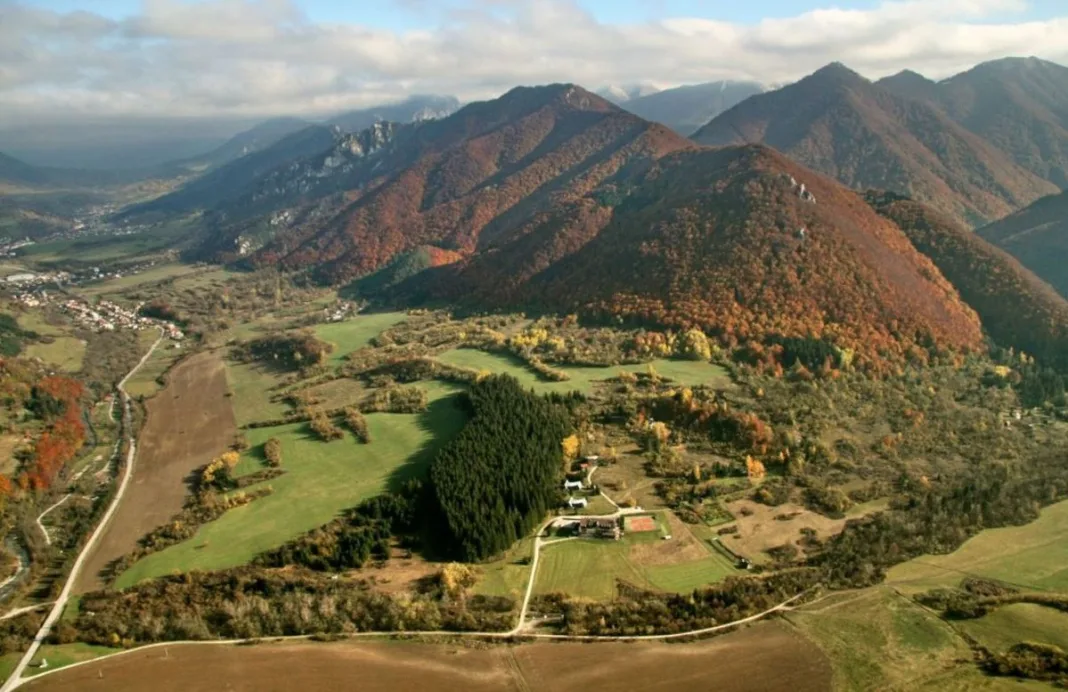

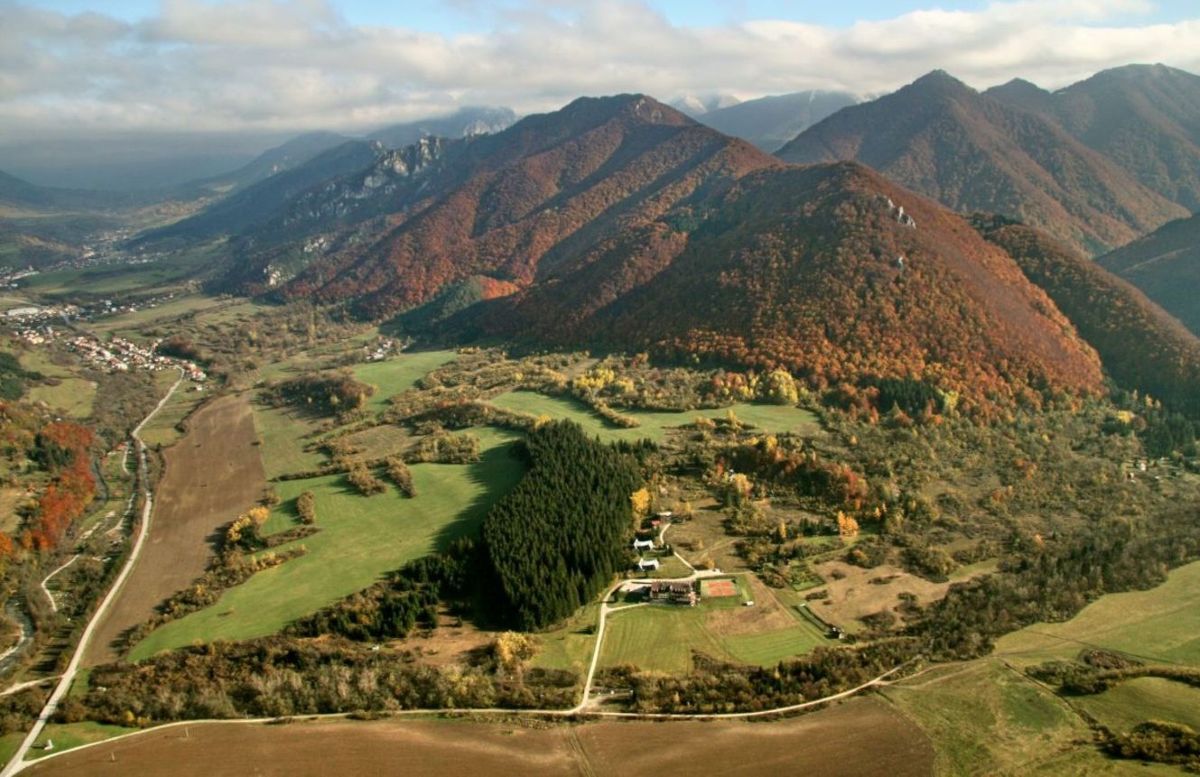
There is something magical about finding a place where deep healing and total calm come together. For families and tired travelers in the Gulf it is a find to locate a peaceful spot that mixes top medical help with natural beauty. As Europe welcomes people from the Middle East more than before it is not just about visiting a place anymore—it is, about fixing the body calming the mind and making lasting memories with the people who are most important.
Elevating Central European Health Tourism Across International Markets
Advertisement
Advertisement
Slovakia is actively promoting its wellness traditions, natural mineral springs, and medical tourism facilities to attract visitors from the Gulf Cooperation Council, particularly the UAE. At the Arabian Travel Market in Dubai in 2026, Slovak representatives showcased offerings ranging from health spas to nature and sports experiences. Industry leaders engaged in indirect dialogues to strengthen cross-border operational relationships, ensuring that international destination management companies can better serve the evolving preferences of regional travelers.
These strategic efforts underscore a broader shift toward targeted international marketing within the global tourism sector. By participating directly in key commercial venues throughout the Middle East, central European destinations build long-term trust, increase direct booking queries, and foster sustained economic engagement across foreign markets.
Unleashing the Therapeutic Power of Natural Mineral and Healing Springs
The foundational strength of this national tourism model relies on extensive natural water reserves, renowned globally for their unique curative properties. Centralized spa networks throughout Slovakia offer specialized procedures administered under strict professional oversight, appealing directly to long-stay wellness travelers seeking certified health outcomes. The presence of therapeutic mineral elements in natural waters allows host facilities to cater to tourists seeking clinical rehabilitation alongside restorative relaxation.
Advertisement
Advertisement
Visitors from the Emirates frequently travel to Slovakia for these certified therapeutic retreats, with numerous medical guests returning on an annual basis to maintain their personal physical health. The global travel industry benefits immensely from this trend, as the rising demand for clinical-grade wellness drives innovation, higher service standards, and specialized hospitality training worldwide.
Expanding Beyond Wellness Through Nature, Sports, and Elite Athletics
Advertisement
Advertisement
Beyond conventional health therapies, promotional efforts highlight specialized recreational pursuits, including equestrian sports, polo, and immersive eco-tourism. Advanced local athletic infrastructure also serves as an exceptional training ground for international sports professionals preparing for major global championships. This diversification transforms traditional spa destinations into multi-faceted sports and leisure hubs capable of attracting diverse demographics.
The country’s tranquil atmosphere, high safety standards, and untouched natural surroundings provide an ideal backdrop for international visitors seeking security and relaxation. For global travelers, this diversification offers a well-rounded combination of elite athletic facilities, rich outdoor recreation, and peaceful leisure environments that cater to entire families and athletic delegations alike.
Driving Post-Pandemic Revival and Building Long-Term Regional Partnerships
International visitor volumes from the Middle East are demonstrating encouraging signs of a steady recovery, moving closer to historical pre-pandemic levels. Active participation in major trade events hosted in Dubai during 2026 serves as a vital bridge to solidify commercial ties and cultivate strategic partnerships across foreign markets. Increased diplomatic and commercial cooperation fosters expanded flight capacity and streamlined visa protocols across regions.
Advertisement
Advertisement
As cross-regional travel continues to expand, the hospitality sector benefits from increased flight connectivity, tailored luxury services, and stronger international business relationships. Ultimately, these structural alignments enhance global mobility, providing international tourists with reliable, high-quality choices for health, leisure, and peaceful exploration.
Evaluating Comparative Long-Stay Yields and High-Value Expenditure Metrics Across Middle Eastern Traveler Demographics
Analyzing visitor spending patterns reveals the remarkable economic impact generated by travelers arriving from the Gulf Cooperation Council, particularly the UAE. GCC travelers maintain an average daily expenditure ranging from $450 to $750 per person, substantially exceeding the European regional baseline average of $120 to $180 per day. Furthermore, health and thermal spring visitors traveling from Dubai to central European retreats remain at host facilities for an average of 12.5 nights, generating nearly three times the financial yield of traditional European weekend tourists.
A primary driver of this elevated expenditure is the multi-generational nature of health-oriented travel from the Middle East. Over 65% of GCC health tourists travel within extended family groups comprising four or more individuals, which directly drives multi-room hotel occupancy and increases demand for private dining, personal transportation, and customized excursion services. As host destinations adapt to accommodate these high-yield booking structures, overall revenue per available room increases significantly, establishing long-term financial stability for regional hotel operators and local service economies.
Enforcing Rigorous Clinical Accreditation Systems and Scientific Hydrotherapy Standards in Natural Mineral Springs
The foundational integrity of European medical spa destinations depends on strict government oversight, certified hydrological science, and formal clinical accreditations. Slovakia possesses over 1,600 registered natural mineral springs and supports 28 official health and climatic spa enterprises operating under direct national health ministry guidelines. Premier thermal centers enforce a precise clinical operational standard, maintaining a strict ratio of one certified medical specialist for every 15 active therapeutic guests to guarantee high standards of patient care and safety.
Advertisement
Advertisement
The therapeutic efficacy of these natural water resources relies on high dissolved mineral contents ranging from 1,500 mg/L to over 5,000 mg/L of essential elements such as sulfur, calcium, and bicarbonate. These specific mineral concentrations allow certified medical facilities to offer tailored treatments for chronic musculoskeletal conditions, post-surgical rehabilitation, and cardiovascular ailments. By integrating formal medical supervision into natural spring resorts, host nations offer verified health outcomes that encourage high-net-worth international clients to return every year.
Expanding Strategic Direct Aviation Capacity and Flight Connectivity Between Central Europe and Middle Eastern Gateways
Transportation infrastructure plays a critical role in facilitating international health travel, with air transit routes expanding rapidly to meet rising passenger demand. Flight capacity connecting major Gulf international hubs directly to central European gateways experienced an 18% year-over-year expansion in 2026. Direct flight durations averaging just 5.5 to 6 hours from Dubai render destinations throughout Slovakia highly accessible, offering a convenient alternative to long-haul transatlantic health retreats.
Aviation efficiency on these specialized routes remains exceptionally strong, with passenger load factors on flights operating between Middle Eastern hubs and central European destinations maintaining an average seat occupancy rate between 82% and 87% during peak travel seasons. Increased flight availability directly reduces travel friction for long-stay health guests, medical delegations, and recovering patients. As airline carriers continue to expand direct seasonal schedules, cross-regional mobility increases, unlocking new commercial travel corridors between the regions.
Integrating High-Performance Sports Science Infrastructure with Professional Athletic Conditioning Facilities
Beyond clinical rehabilitation and natural wellness retreats, advanced regional athletic facilities serve as major hubs for elite global sports tourism. Specialized sports complexes host over 150 professional international athletic delegations annually for intensive pre-season training, conditioning, and recovery programs. These facilities seamlessly combine high-performance sports medicine with natural hydrotherapy, offering elite teams an all-inclusive environment for physical preparation.
Advertisement
Advertisement
Geographical positioning further enhances the effectiveness of these athletic training environments. Training complexes situated at elevations between 800 meters and 1,350 meters above sea level provide optimal conditions for aerobic endurance building and cardiovascular conditioning. Modern sports resorts feature Olympic-standard equestrian arenas, full-sized polo grounds, and specialized hydrotherapy centers capable of accommodating over 200 professional athletes simultaneously, positioning host regions as versatile destinations for both health tourism and international sports performance.
Sustaining Ecological Management Benchmarks and Environmental Protection Strategies for Natural Geothermal Aquifers
Preserving natural thermal water resources requires strict environmental governance and sustainable resource management frameworks. Strict ecological legislation enforces limits on subterranean water extraction, restricting drawing volumes to less than 35% of total natural aquifer recharge rates to ensure the long-term preservation of natural thermal springs. These environmental protections safeguard mineral purity and subterranean temperature stability against industrial over-exploitation.
In addition to water conservation measures, facility operators prioritize aggressive carbon reduction strategies to protect surrounding ecosystems. Over 70% of certified thermal spa resorts utilize advanced geothermal heat exchange systems to power ambient indoor heating and climate control, reducing overall resort carbon footprints by up to 60%. Surrounding ecological protection frameworks mandate a zero-development buffer zone ranging from 5 to 10 kilometers around primary mineral spring source locations, preserving pristine natural landscapes for visiting international guests.
Implementing Culturally Tailored Hospitality Protocols and Customized Luxury Service Standards
To successfully attract international guests from the GCC region, host hospitality providers actively modify their operational practices to reflect specific cultural preferences and lifestyle requirements. Leading wellness resorts report that 100% of front-line customer service and hospitality staff undergo specialized cross-cultural training programs. This comprehensive education ensures seamless communication, respectful interaction, and heightened service quality for international visitors.
Advertisement
Advertisement
Property operations undergo structural adaptations to accommodate multi-generational family groups seeking privacy and customized services. Approximately 85% of premium hospitality properties in major spa towns provide certified Halal culinary choices and dedicated private spa suites designed for family privacy. Additionally, medical tourism facilities report a 40% year-over-year increase in the deployment of Arabic-fluent patient coordinators, ensuring clear communication between clinical personnel and visiting medical clients throughout their therapeutic programs.
Analyzing Macroeconomic Post-Pandemic Revival Trends and Digital Booking Channel Transformation
International tourism movements between the Middle East and central Europe exhibit robust post-pandemic recovery patterns, characterized by steady growth in visitor volumes and changing booking habits. International tourist arrivals from the GCC region into central European wellness hubs have recovered to 92% of pre-2020 baseline levels, with projections indicating overall arrivals will reach 112% of past records as regional trade partnerships deepen.
Concurrently, traveler motivations have shifted noticeably toward preventive healthcare, lifestyle management, and long-term vitality. Public demand for specialized preventive health packages—including post-viral rehabilitation, stress reduction, and longevity therapies—has expanded by 34% compared to pre-pandemic baselines. Furthermore, direct online reservation channels now handle 58% of total international bookings for medical and wellness packages, highlighting a permanent digital transformation in how modern travelers research, plan, and secure global health trips.
The Final Verdict
Ultimately travel is far more than checking off places on a map; it is about finding a sanctuary where my mind can finally rest. My body can truly heal. As the connections between Europe and the Gulf keep growing I see that travelers gain far more than just a getaway. They step into a world of landscapes caring hands and cherished moments shared with family. This quiet reminder shows that, in our world prioritizing health, inner peace and genuine human connection is the greatest journey we can ever take.