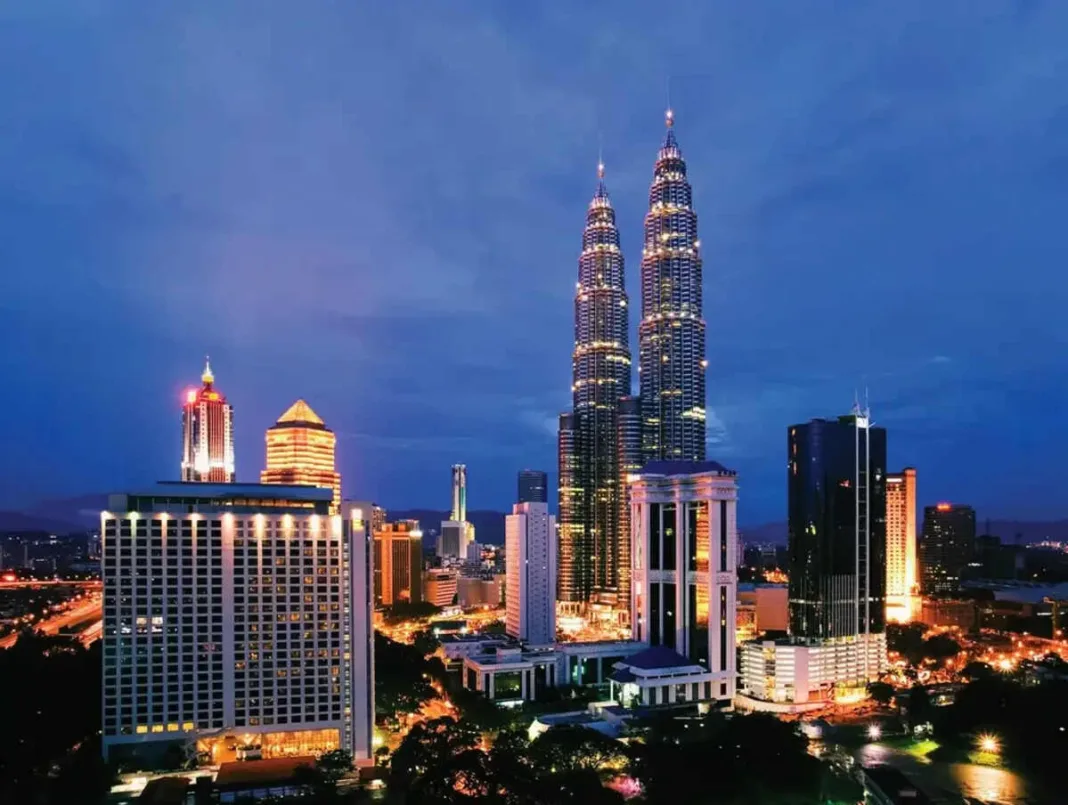

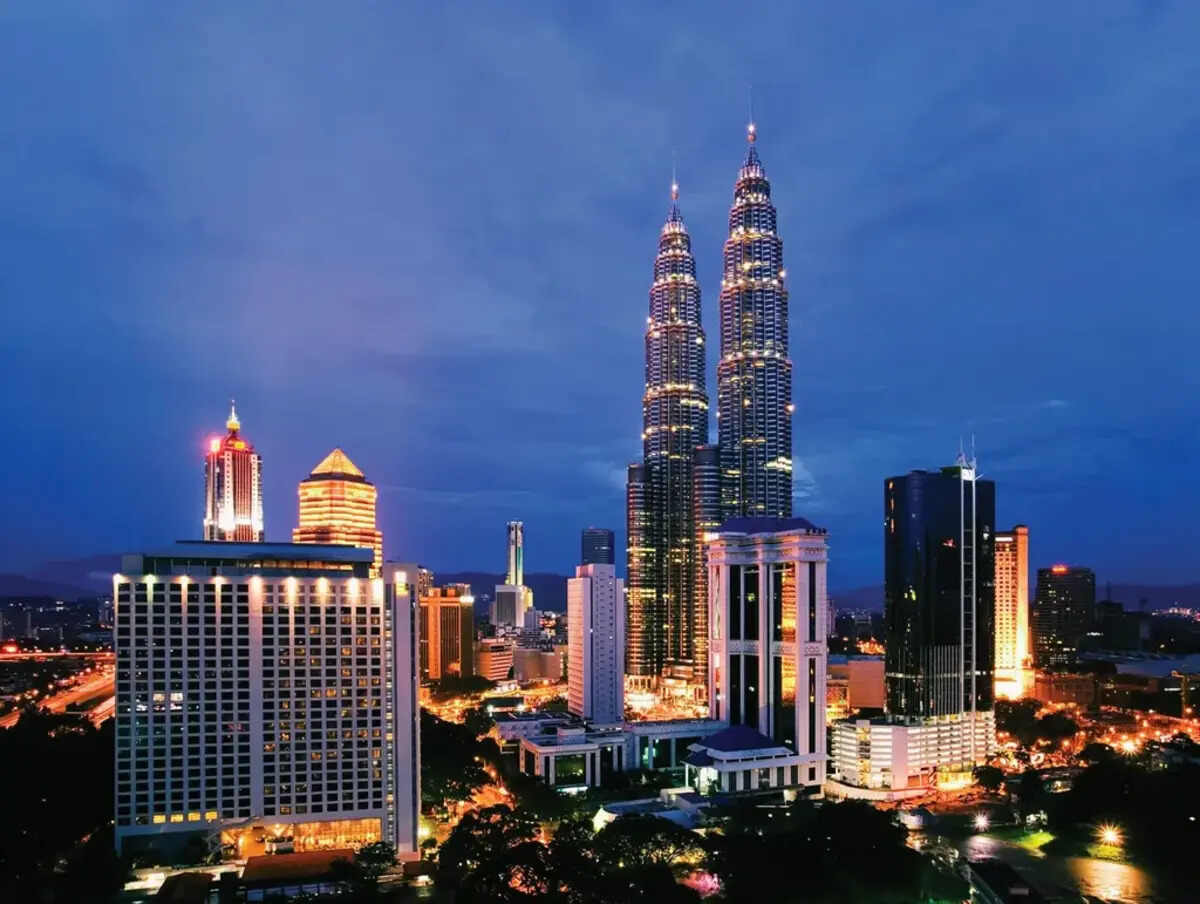
Malaysia is set to join Thailand, Singapore, Indonesia and other Asian nations in adopting tourism-oriented economic growth in 2027. Malaysia is preparing to expand tourism-driven economic activity in 2027 along with Thailand, Singapore, Indonesia, Vietnam and several other Asian nations, as international events, infrastructure investment and tourism development is poised to contribute to growth.
Although Malaysia’s overall economic expansion is poised to moderate, the travel and hospitality industries are poised to remain significant contributors to economic activity.
According to Malaysia’s Ministry of Finance Economic Outlook 2027, the country’s gross domestic product (GDP) is projected to grow between 4.2% and 5.2% in 2027, compared with an estimated 4.8% to 5.3% in 2026. Tourism promotion, international sporting competitions, business exhibitions and transport infrastructure have been identified among the factors expected to support future development.
Advertisement
Advertisement
Across Asia, comparable efforts are being pursued to attract international visitors, encourage investment, support employment and strengthen tourism-related services.
Malaysia’s Tourism-Led Growth Strategy Gains Importance Ahead of 2027
Malaysia’s economic outlook is being supported by a combination of tourism development, export activity, private investment and government infrastructure programmes.
The Visit Malaysia 2026–2027 initiative is expected to encourage tourism activity, while international exhibitions and sporting events are anticipated to generate additional demand for travel services.
Among the major events identified are the Langkawi International Maritime and Aerospace Exhibition 2027 and the 34th SEA Games.
Advertisement
Advertisement
These events are expected to create opportunities for hotels, airlines, transport operators, event organisers and other tourism-related businesses.
Malaysia’s strategy also reflects a wider Asian trend in which international tourism is being used to support economic diversification and regional development. However, tourism remains one of several contributors to Malaysia’s projected growth, rather than its sole economic driver.
Advertisement
Advertisement
Malaysia’s 2027 Economic Forecast Shows Moderation Despite Tourism Opportunities
Malaysia recorded 5.7% GDP growth during the first half of 2026. However, a more moderate expansion has been projected for 2027 as domestic demand and growth in several economic sectors are expected to ease.
Private consumption, the country’s principal domestic growth driver, is forecast to increase by 6.0% in 2027, compared with an estimated 5.0% in 2026 and 5.3% in 2025.
Private investment is expected to remain comparatively strong, although its growth is projected to slow from 7.8% to 9.0%.
The economic outlook indicates that continued investment, international trade and employment conditions will remain important to national economic performance.
Advertisement
Advertisement
Malaysia’s Key Economic Projections for 2027
| Economic indicator | 2026 estimate | 2027 forecast |
|---|---|---|
| GDP growth | 4.8%–5.3% | 4.2%–5.2% |
| Private consumption growth | 5.0% | 6.0% |
| Private investment growth | 7.8% | 9.0% |
| Public consumption growth | 3.8% | 4.3% |
| Public investment growth | 7.7% | 7.9% |
| Services sector growth | 5.5% | 5.2% |
| Manufacturing growth | 6.2% | 4.1% |
| Construction growth | 6.4% | 5.7% |
| Mining and quarrying growth | 2.6% | 1.2% |
| Total trade | RM3.90 trillion | RM4.02 trillion |
| Trade surplus | RM320 billion | RM321.6 billion |
| Current account surplus | RM41.3 billion | RM41.8 billion |
Source: Malaysia Ministry of Finance, Economic Outlook 2027. Figures represent estimates and forecasts, not final outcomes.
International Events Are Expected to Strengthen Malaysia’s Tourism Economy
Major international events are expected to play an increasingly important role in Malaysia’s tourism-related economic activity.
The Langkawi International Maritime and Aerospace Exhibition 2027 is expected to attract aviation, maritime, defence and business participants, creating opportunities for accommodation providers and transport services.
Meanwhile, the 34th SEA Games in 2027 is expected to generate regional travel involving athletes, officials, media representatives and spectators.
The Visit Malaysia initiative is also expected to strengthen destination promotion and encourage wider international awareness of the country’s attractions.
These developments could support business tourism, sporting tourism and leisure travel. However, the economic report does not provide specific forecasts for additional visitor arrivals, tourism receipts or hotel occupancy generated by these events.
Advertisement
Advertisement
Services and Hospitality Activities Remain Important Economic Contributors
Malaysia’s services sector, which represents more than half of national economic output, is projected to expand by 5.2% in 2027, compared with an estimated 5.5% in 2026.
Although overall growth is expected to moderate, several services subsectors are projected to perform better than their estimated 2026 growth rates.
These include information and communications, finance and insurance, real estate, business services and other services.
Tourism-related businesses are positioned within this broader services economy, where visitor expenditure contributes to demand for accommodation, transport and recreational activities.
Manufacturing growth is separately projected to ease from 6.2% in 2026 to 4.1% in 2027, despite continued demand for semiconductor and artificial intelligence-related products.
Infrastructure Investment Is Expected to Improve Malaysia’s Connectivity
Major infrastructure development is expected to remain an important part of Malaysia’s economic strategy.
Advertisement
Advertisement
Public investment growth of 7.9% has been projected for 2027, supported by targeted development expenditure and capital investment.
Among the projects identified are the Penang LRT Mutiara Line, East Coast Rail Link Phase 2, Sarawak–Sabah Link Road, Pan-Borneo Highway Sabah Section and Klang Valley Double Track Phase 2.
Other projects include the Gombak–Port Klang section of the East Coast Rail Link, the Elevated Autonomous Rapid Transit system, Kuala Lumpur Northern Dispersal Expressway, LRT3 Phase 2 and Juru–Sungai Dua traffic dispersal project.
These investments are expected to strengthen transport capacity and connectivity. Their longer-term relevance to tourism will depend on implementation, completion schedules and improvements in access to destinations.
The National Housing Policy 2026–2035 is also expected to support residential development and address abandoned housing projects.
Private Investment and Government-Linked Funds Support Future Development
Private investment is projected to expand by 9.0% in 2027, supported by technology-intensive services, manufacturing facilities, hyperscale data centres and artificial intelligence infrastructure.
Advertisement
Advertisement
Investment activity is also expected in semiconductors, advanced manufacturing and chemical and petrochemical industries.
Government-linked investment companies are participating in the GEAR-uP initiative, under which six institutions committed RM120 billion between 2024 and 2028.
The participating institutions include the Employees Provident Fund, Permodalan Nasional Berhad, Retirement Fund Incorporated, Khazanah Nasional Berhad, Pilgrims Fund Board and Armed Forces Fund Board.
By the end of 2025, RM26.9 billion in domestic direct investment had been recorded under the programme, leaving RM93.1 billion of the original commitment.
Public expenditure management is also expected to be supported by the planned commencement of the Government Procurement Act 2026 (Act 882) in 2027.
Thailand, Singapore and Other Asian Nations Are Pursuing Comparable Tourism Strategies
Malaysia’s approach forms part of a wider regional pattern in which tourism development is being combined with events, infrastructure and investment policies.
Advertisement
Advertisement
Different priorities have been identified across Asian destinations, although the economic circumstances and scale of government programmes vary.
Asian Countries and Their Tourism Development Priorities
| Country | Tourism initiatives and development priorities |
|---|---|
| Malaysia | Visit Malaysia 2026–2027, SEA Games 2027, Langkawi aerospace exhibition and transport investment |
| Thailand | Tourism transformation, high-value travel, destination development and stronger visitor spending |
| Singapore | Business events, conventions, exhibitions and tourism infrastructure investment |
| Indonesia | Tourism investment, digital development and destination competitiveness |
| Vietnam | International visitor growth, tourism promotion and hospitality development |
| Philippines | Airport connectivity, tourism infrastructure and international market development |
| India | Heritage tourism, medical tourism, visitor facilities and regional tourism investment |
| Japan | Sustainable tourism, regional visitor distribution and higher tourism expenditure |
| South Korea | Cultural tourism festivals, international promotion and regional visitor development |
| Saudi Arabia | AFC Asian Cup 2027 preparations, hospitality investment and tourism diversification |
| United Arab Emirates | Tourism infrastructure, international events, hospitality expansion and long-term economic diversification |
Trade and Technology Exports Will Continue Supporting Malaysia’s Economy
Malaysia’s total trade is forecast to increase by 3.2% to RM4.02 trillion in 2027, compared with an estimated RM3.90 trillion in 2026.
This represents a considerable slowdown from the estimated 27.2% trade expansion in 2026.
Export growth is expected to be supported by demand for electrical and electronics products, semiconductors and liquefied natural gas.
The country’s trade surplus is projected to improve slightly to RM321.6 billion, while its current account surplus is forecast to reach RM41.8 billion.
Mining and quarrying growth is expected to moderate to 1.2%, with natural gas developments in Sabah and Sarawak supporting production. Brent crude oil is projected to average US$85 per barrel.
Advertisement
Advertisement
These forecasts underline the importance of wider economic activity alongside tourism.
What Travellers Should Know About Malaysia’s 2027 Tourism Plans
Travellers considering Malaysia in 2027 may find additional opportunities linked to destination promotion, business exhibitions and international sporting events.
Higher travel interest could be generated around major event periods, particularly in locations hosting competitions or international exhibitions. However, specific effects on accommodation prices, airfares and availability have not been established by the economic projections.
Transport infrastructure projects could provide long-term benefits for accessibility, although their completion and operational dates should be checked before travel arrangements are made.
Visitors are also advised to confirm event schedules, accommodation availability and applicable entry requirements using official channels.
Why This Matters for Asia’s Tourism Economy in 2027
Tourism is increasingly being positioned as part of wider economic development strategies across Asia.
Advertisement
Advertisement
For Malaysia, international events and destination promotion are expected to operate alongside investment, technology exports and major infrastructure programmes.
Elsewhere, tourism priorities range from Thailand’s visitor spending strategy and Singapore’s business events sector to Saudi Arabia’s sporting events and Japan’s sustainable destination development.
These approaches demonstrate how different countries are seeking to connect visitor activity with employment, services, investment and regional economic opportunities.
Malaysia’s projected economic moderation in 2027 is expected to be balanced by continued investment, stable trade activity, services expansion and tourism development.
With GDP growth forecast at 4.2% to 5.2%, major international events and Visit Malaysia promotional activities are expected to contribute to economic momentum.
Alongside Thailand, Singapore, Indonesia and other Asian destinations, Malaysia is pursuing opportunities through visitor development, infrastructure and investment.
The ultimate economic impact will depend on international travel demand, project delivery and actual spending, but tourism is expected to remain an important part of the country’s development outlook.