
Switzerland is more expensive for American tourists than Australia, Argentina, Canada, and France, despite emergency situations, claims a study from 2026. With hospital costs estimated at about US$2,600, along with flight cancellations, delays, and the threat of theft, it reveals what unforeseen travel circumstances can do to a US vacation budget. The study that looked at more than 40 popular destinations abroad is a reminder that travel insurance and financial preparedness are important to US tourists who want to avoid additional costs on their overseas holiday.
The study examined more than 40 popular international destinations to identify where American travellers could face the greatest financial exposure when their journeys do not go according to plan. Researchers considered healthcare expenses, flight cancellation rates, punctuality, theft, crime levels, passenger protection and annual visitor numbers from the United States.
Rather than assessing holiday prices alone, the research focused on the additional costs that travellers might face when unexpected incidents interrupt their plans. These expenses can include hospital treatment, replacement travel arrangements, unplanned hotel stays and losses caused by stolen belongings.
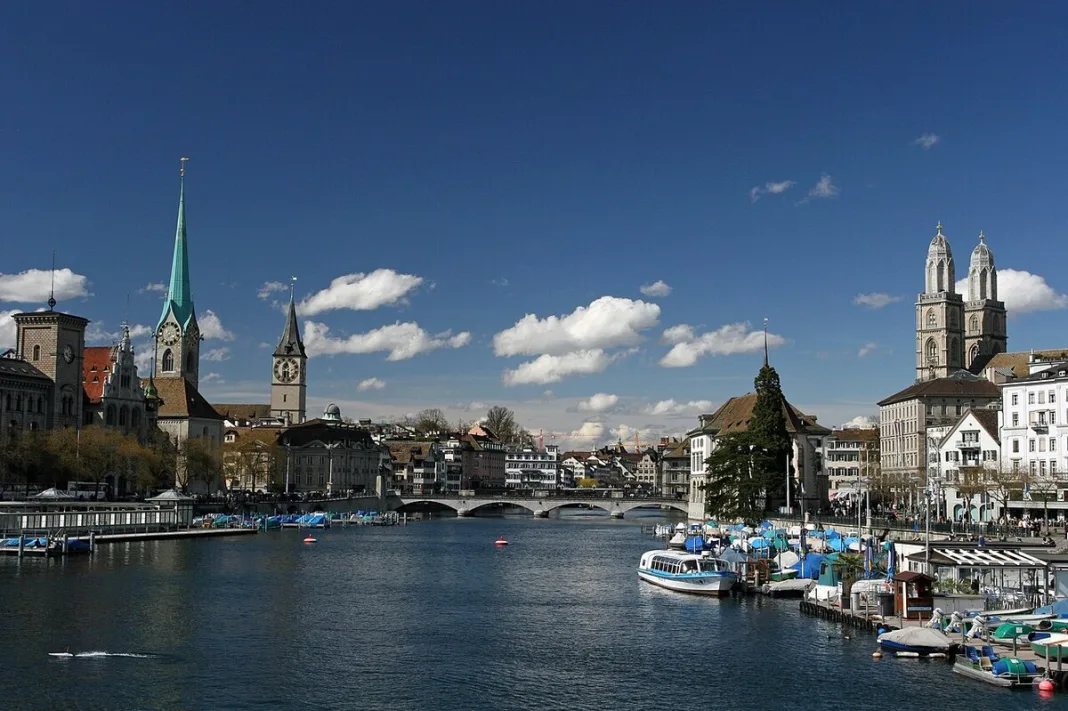
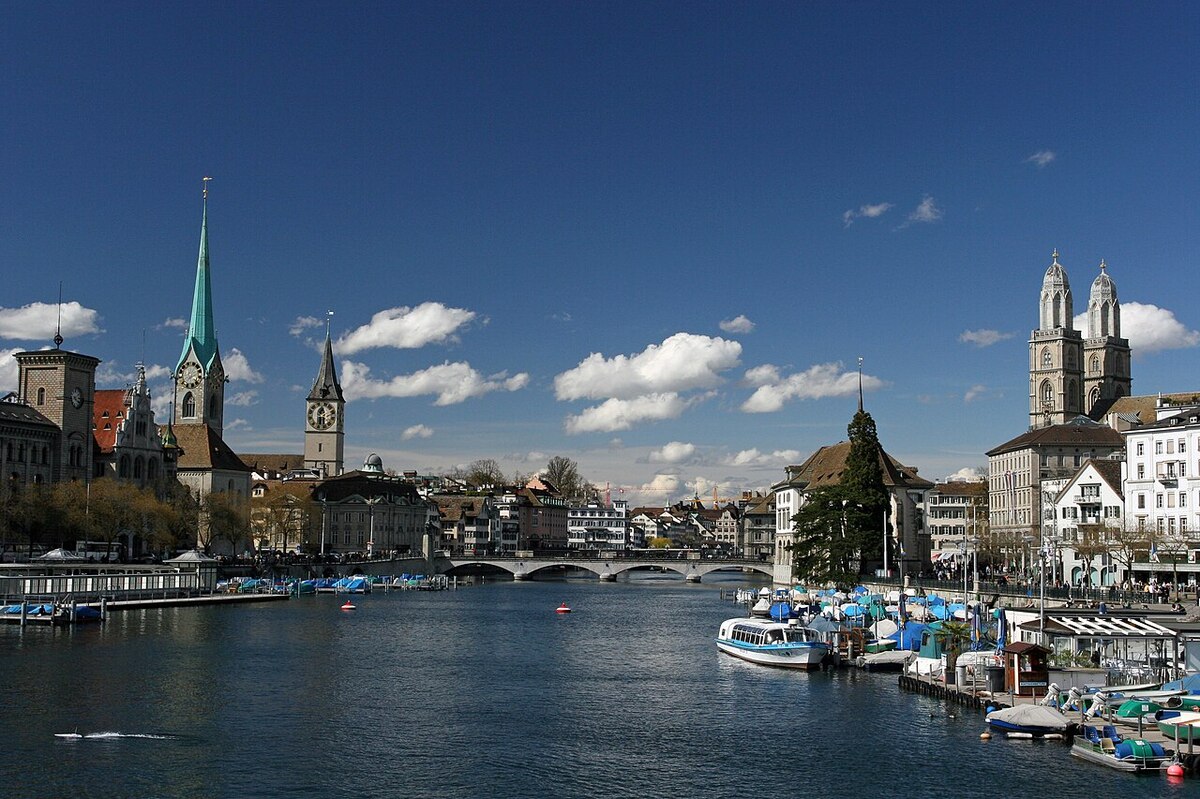
Switzerland secured the highest position in the ranking, with the study estimating hospital expenses at approximately US$2,600. Australia followed because of its relatively high medical costs and reported theft figures, while Argentina placed third amid concerns about theft and crime.
Canada and France completed the top five, with flight disruption emerging as a particularly important factor.
The findings underline the importance of financial preparation when travelling internationally. Even destinations with well-developed tourism infrastructure can present unexpected expenses, especially for visitors who have limited medical insurance coverage or tightly scheduled travel arrangements.
Advertisement
Advertisement
Switzerland Tops the Ranking as Medical Bills Threaten to Turn Alpine Holidays into Costly Emergencies
Switzerland’s position at the top of the ranking is largely linked to healthcare expenses. According to the study, a hospital visit could cost an American tourist approximately US$2,600, making medical treatment a significant financial concern for uninsured visitors.
The destination attracts travellers with its Alpine landscapes, lakes, mountain resorts and celebrated cities. However, visitors planning outdoor activities may need to consider the financial consequences of an unexpected injury or illness.
Advertisement
Advertisement
The research also reports that approximately 70% of flights operate on time, suggesting that travel disruption can add another layer of expense. An unexpected overnight stay, missed connection or new booking could increase the overall cost of a Swiss holiday.
With approximately 1.1 million American arrivals annually, according to the study’s dataset, the financial implications could affect a substantial visitor market.
The study also records approximately 1,970 theft offences per 100,000 residents. However, these population-based figures should not be interpreted as the likelihood of an individual tourist becoming a victim.
For American holidaymakers, Switzerland’s ranking reinforces the importance of travel medical insurance, particularly when planning skiing, hiking or other activities where emergency treatment may be necessary.
Advertisement
Advertisement
Australia Ranks Second as Healthcare Expenses and Theft Add Financial Pressure to Long-Haul Holidays
Australia takes second place in the research, reflecting a combination of medical costs, theft statistics and the practical challenges of managing unexpected incidents during a long-distance journey.
The study estimates that hospital treatment can exceed US$1,100, potentially creating a considerable additional expense for American visitors without suitable international medical coverage.
The research also cites theft figures equivalent to approximately one incident per 48 residents. This highlights the need to safeguard valuable items while visiting major urban centres and popular attractions.
For travellers exploring Sydney, Melbourne, Brisbane or Australia’s coastal destinations, the loss of a passport, mobile phone or essential travel documents could disrupt an itinerary.
Australia’s geographical distance from the United States adds another practical challenge. Rearranging long-haul travel or replacing documents may involve additional administrative steps, accommodation costs and changes to previously confirmed arrangements.
The findings do not mean that Australia is inherently unsafe for visitors. Instead, they show how the cost and inconvenience of an unexpected event can become more significant when travellers are far from home.
Advertisement
Advertisement
Argentina Takes Third Place as Theft and Crime Concerns Complicate Budget-Friendly South American Travel
Argentina ranks third, illustrating how an affordable destination can still expose international visitors to unexpected financial losses.
The research identifies theft as a major consideration, citing figures equivalent to nearly one incident per 20 residents. It also places Argentina’s overall crime index at approximately 63 out of 100.
These indicators contribute to the country’s position in the ranking, although they do not represent a direct measure of tourist victimisation.
Despite Argentina’s appeal for comparatively affordable accommodation, food and tourism experiences, the study estimates that hospital treatment could cost approximately US$400.
Flight cancellations are another consideration. The research reports a cancellation rate of about 3.5%, creating the possibility of additional expenses when connecting journeys or accommodation reservations are affected.
Visitors exploring Buenos Aires, Patagonia, Mendoza or other popular destinations may therefore benefit from flexible travel arrangements and appropriate protection for personal belongings.
Advertisement
Advertisement
Argentina’s position demonstrates that lower everyday travel costs do not necessarily guarantee a lower financial impact when an unexpected incident occurs.
Canada Ranks Fourth as Flight Cancellations and Medical Costs Create Unexpected Holiday Expenses
Canada occupies fourth place, with flight reliability emerging as one of the main contributors to its ranking.
According to the study, approximately 6% of flights are cancelled, while around 70% operate on time. These figures indicate that some journeys may be affected by delays or cancellations, potentially resulting in additional accommodation and transport costs.
For American travellers visiting Toronto, Vancouver, Montréal or Canada’s national parks, a cancelled journey could require changes to connecting services, hotel reservations or planned activities.
Healthcare expenses also influence Canada’s ranking. The research estimates that a hospital visit could cost an international visitor around US$1,000.
Although Canada shares a border with the United States, American tourists should not assume that their domestic healthcare policies will automatically cover treatment across the border.
Advertisement
Advertisement
The research references approximately 3.2 million annual American visitors in its dataset, although this figure should be treated as a study input rather than a verified measure of all US travel to Canada.
Canada’s inclusion highlights how even nearby destinations can generate substantial expenses when medical problems or transport disruption interrupt a holiday.
France Completes the Top Five as Flight Delays and Theft Raise Concerns for American Holidaymakers
France rounds out the five highest-ranked destinations, with flight punctuality and theft contributing to its position.
According to the study, approximately 68% of flights operate on schedule, giving France the lowest punctuality figure among the five countries discussed.
Flight delays can create particular difficulties for travellers with connecting journeys, prepaid accommodation or time-sensitive holiday plans.
The research also identifies theft as a financial concern, reporting a rate equivalent to approximately one incident per 52 residents.
Advertisement
Advertisement
For visitors exploring Paris, the French Riviera, Lyon or other major tourism destinations, protecting travel documents, payment cards and electronic devices remains an important precaution.
However, the reported theft figures relate to wider population statistics and cannot establish the probability of a tourist experiencing theft during a particular trip.
France’s ranking reflects the potential financial consequences of interrupted travel rather than a conclusion that visitors should avoid the country.
Why Travel Insurance Is Becoming an Essential Part of International Holiday Planning
The study brings attention to a financial problem that travellers may overlook when preparing for an overseas holiday. Flight tickets, hotels, food and activities are usually included in a travel budget. Medical emergencies, missed connections and stolen belongings are often not.
A relatively minor incident can create several additional expenses at the same time. An injury might require hospital treatment, a longer hotel stay and a replacement return ticket.
The US Department of State advises Americans to purchase travel health insurance before leaving the country. It also confirms that Medicare and Medicaid generally do not cover medical treatment abroad, while the US government does not pay travellers’ overseas hospital bills.
Advertisement
Advertisement
This makes insurance coverage especially relevant when visiting destinations with high treatment costs.
Travellers should check whether their policies cover emergency medical care, hospital admission, medical evacuation and the specific activities planned during their journey.
Flight Disruptions Can Create Extra Costs, but Passenger Rights May Offer Protection
Flight delays and cancellations represent another major issue in the research. However, the actual cost to an individual passenger depends on the circumstances of the disruption, airline conditions, applicable passenger rights and available insurance.
For journeys covered by European Union passenger-rights rules, eligible travellers may qualify for assistance, rerouting, refunds or financial compensation.
Depending on the circumstances and flight distance, compensation under applicable EU rules can reach €250, €400 or €600. These protections are not limited to EU citizens, although eligibility depends on the journey and operating airline.
This is particularly relevant to travellers visiting France and other European destinations.
Advertisement
Advertisement
Passengers should retain boarding passes, booking confirmations, receipts and notifications about disrupted journeys. Such documents can support claims for reimbursement, compensation or insurance payments.
Flight punctuality statistics also need careful interpretation. A reported on-time performance figure does not establish that every remaining flight was cancelled. Many flights operate successfully but arrive outside the defined punctuality threshold.
Theft Statistics Highlight the Importance of Protecting Personal Belongings
The report’s theft indicators add another dimension to travel planning.
Losing a mobile phone, wallet or passport can create expenses beyond the value of the stolen item. Travellers may need replacement documents, emergency transport, temporary accommodation or alternative payment arrangements.
However, national theft rates cannot be used to calculate a visitor’s personal likelihood of experiencing a crime.
These figures may include offences involving residents and incidents unrelated to tourism. Their definitions, reporting practices and measurement periods can also vary between countries.
Advertisement
Advertisement
Visitors should therefore use such statistics as broad planning indicators rather than direct comparisons of personal safety.
Practical precautions include keeping digital copies of essential documents, separating payment methods and using secure storage facilities when appropriate.
For US citizens, the Department of State’s Smart Traveler Enrollment Program also provides access to relevant embassy safety information and alerts.
What the September 2026 Study Reveals About the True Cost of Travel Disruption
The research presents a broader interpretation of travel affordability.
A destination may offer relatively inexpensive accommodation and dining while still exposing travellers to significant emergency costs. Conversely, a more expensive destination may offer reliable services but have higher medical treatment expenses.
The five leading countries illustrate these different situations.
Advertisement
Advertisement
| Destination | Ranking | Main financial concerns cited by the study |
|---|---|---|
| Switzerland | 1 | Hospital costs around US$2,600; flight disruption |
| Australia | 2 | Medical costs exceeding US$1,100; theft |
| Argentina | 3 | Theft, crime indicators and flight cancellations |
| Canada | 4 | Flight cancellation rate around 6%; medical costs |
| France | 5 | Flight punctuality around 68%; theft |
Source: Figures supplied from the September 2026 Good Guys Injury Law study. These are study-reported estimates, not independently verified official national statistics.
The ranking should not be treated as a government travel advisory or a definitive assessment of destination safety. It combines different risk and cost indicators into a single research framework.
It also does not establish that one country is more dangerous than another for an individual American tourist.
Instead, the results illustrate why the financial consequences of travel disruption deserve attention alongside the initial price of a holiday.
American Travellers Face a Clear Message: Prepare for the Unexpected Before Departure
The September 2026 findings place Switzerland, Australia, Argentina, Canada and France at the centre of a wider discussion about holiday expenses.
Their positions reflect different challenges, ranging from medical treatment and theft to delayed flights and unexpected travel arrangements.
Advertisement
Advertisement
For American tourists, the central lesson is that careful planning should extend beyond securing affordable bookings.
Understanding insurance exclusions, checking passenger rights, protecting important documents and maintaining access to emergency funds can help reduce the financial impact of unexpected events.
These precautions are especially important for international journeys involving several destinations, outdoor activities or long-distance transport connections.
As overseas travel remains an important part of the American holiday market, the research offers a reminder that the total cost of a trip is not always determined by what travellers spend before departure.
A legal expert from Good Guys Injury Law commented on the study: “Nearly 1 in 4 Americans deal with a medical issue while traveling internationally. Despite that, surveys show half of US travelers still fly with an “it-won’t-happen-to-me” mindset. One reason behind this is that many people assume their regular health insurance covers travel, too. When asked, almost half of American respondents say they will lean on their existing plan if something happens abroad. Unfortunately, this is wrong. Most US insurance, including Medicare and Medicaid, treats overseas care as out-of-network and won’t pay anything.”