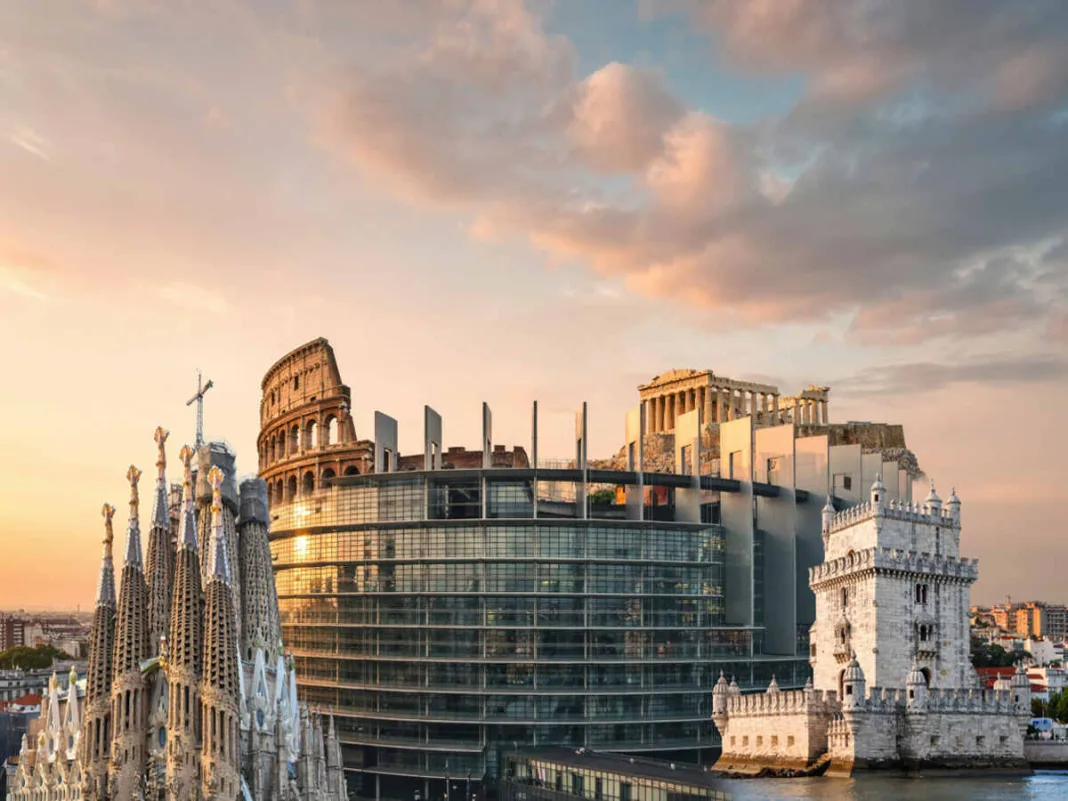


Spain, Italy, Greece, the Portuguese Republic and several additional European countries are attempting to safeguard regional funding, as a proposal by Ireland to reduce the EU’s upcoming seven-year budget by 160 billion would bring fresh tourism investment uncertainty. Critical negotiations are scheduled for 15–16 October 2026 in Brussels, with concerns mounting over the prospects for transportation links, tourism infrastructure and sustainable destination development. Though no direct tourism funding cuts have been confirmed, the outcome of the negotiations will have an impact on how Europe will be able to support its popular holiday destinations in the years to come.
The revised plan, presented on 10 October 2026, comes ahead of crucial talks in Brussels on 15 October. It seeks to reduce overall spending while protecting regional development and agricultural support. Although no direct tourism funding cuts have been announced, the outcome could influence future investment in transport, local infrastructure and sustainable destinations across Europe.
Advertisement
Advertisement
Key Details of the European Union Budget Proposal
| Key factor | Latest details |
|---|---|
| Main development | Ireland’s revised EU budget negotiating proposal |
| Proposal presented | 10 October 2026 |
| Budget period | 2028–2034 |
| Original Commission proposal | Approximately €2 trillion |
| Reported reduction | Around €160 billion, approximately 8% |
| Important distinction | €160 billion is an overall proposed reduction, not a tourism-specific cut |
| Countries in focus | Spain, Italy, Greece, Portugal, Croatia, Cyprus and Malta |
| Countries seeking budget restraint | Germany, Austria and the Netherlands |
| EU leaders’ meeting | 15–16 October 2026, Brussels |
| Tourism implications | Potential effects on regional infrastructure, connectivity and investment |
| Visa and passport changes | None announced |
| Final budget status | Under negotiation; not approved |
Sources: European Commission’s original 2028–2034 proposal, Council of the EU negotiating timeline and the reported Irish compromise.
European Union Faces a Major Budget Decision as Ireland Proposes a Smaller Spending Plan
The European Union is entering an important week as its leaders prepare to discuss the future of European spending. Ireland has presented a revised budget proposal that reportedly reduces the European Commission’s original €2 trillion plan by around €160 billion.
Advertisement
Advertisement
The proposed reduction is designed to address concerns from countries that want tighter spending controls. However, the EU must also fund regional development, agriculture, research, infrastructure and security. These competing priorities make the negotiations difficult.
The Irish proposal aims to protect cohesion and agricultural funding while reducing other spending areas compared with the original plan. The European Council has confirmed that the revised negotiating framework was presented on 10 October.
Advertisement
Advertisement
Spain, Italy, Greece and Portugal Share a Strong Interest in Protecting Regional Funding
Spain, Italy, Greece and Portugal have important reasons to follow the negotiations. Their tourism industries depend on strong local infrastructure, transport connections and well-maintained destinations.
Spain’s coastal resorts, Italy’s historic cities, Greece’s islands and Portugal’s regional attractions all benefit from wider investment in public services and accessibility.
These countries are among the European states that support strong cohesion funding. Such investment helps reduce economic differences between regions and can improve facilities used by both residents and tourists.
The European Commission originally proposed €865 billion for national and regional partnership plans. These programmes aim to support development across member states.
Although the new negotiations could change spending allocations, no specific reduction to tourism investment in these four countries has been confirmed.
Croatia, Cyprus and Malta Join the Wider Push to Maintain European Regional Development
Croatia, Cyprus and Malta are also connected to the wider debate over European funding. Their tourism economies depend heavily on accessible destinations, reliable infrastructure and environmental protection.
Advertisement
Advertisement
These countries share an interest in ensuring that smaller regions and island communities continue to benefit from EU investment opportunities.
Croatia’s coastal destinations, Cyprus’s resorts and Malta’s historic attractions require public services that can support visitors alongside local populations.
The EU’s proposed national and regional partnership plans could help countries address different development needs through tailored investment programmes.
The Council has also supported a stronger role for regions in planning and managing future funding. However, the exact amount available will depend on the final budget agreement.
Germany, Austria and the Netherlands Seek Spending Restraint as Budget Negotiations Intensify
The proposed reduction follows disagreements over the size of the European Union’s next budget.
Germany, Austria and the Netherlands have advocated tighter spending limits. Their concerns reflect pressure on national finances and questions about how much member states should contribute.
Advertisement
Advertisement
Meanwhile, countries including Spain and Italy have resisted substantial reductions.
The disagreement highlights a central challenge. European governments must balance the cost of supporting existing programmes with growing demands for defence, innovation, competitiveness and economic security.
The reported €160 billion reduction represents a compromise proposal rather than a final decision.
EU leaders must still agree on the overall spending framework before detailed funding programmes can be settled.
Tourism Infrastructure and Sustainable Destination Development Could Face New Questions
Tourism is not the main subject of the EU budget negotiations. Nevertheless, several funding programmes have clear links to destination development.
Regional investment can help improve roads, rail connections, public transport and environmental infrastructure. These services are essential for communities and can also improve the visitor experience.
Advertisement
Advertisement
The European Commission’s original proposal included around €450 billion for economic, social and territorial cohesion, with at least €218 billion intended for less-developed regions.
Such funding can support wider regional growth, including projects relevant to tourism.
However, the proposed budget reduction does not mean these amounts have already been cut. The final effect will depend on how EU leaders distribute resources across different programmes.
European Tourism Businesses Await Clarity on Future Investment Opportunities
Tourism businesses across Europe have an interest in the outcome because regional development programmes can influence the places where they operate.
Hotels, attractions and local tourism services benefit when destinations have efficient transport, reliable utilities and better public facilities.
The European Commission also proposed €409 billion for competitiveness, including Horizon Europe. This broad funding category supports research, innovation and economic development rather than tourism alone.
Advertisement
Advertisement
The reported Irish compromise includes reductions to competitiveness spending compared with the Commission’s original proposal.
For tourism businesses, the important issue is whether future programmes will continue to offer opportunities for eligible innovation and infrastructure projects.
No confirmed changes to tourism business grants or country-specific allocations have been announced under the revised proposal.
Brussels Summit on 15–16 October 2026 Could Shape Europe’s Investment Future Through 2034
EU leaders will begin their two-day Brussels meeting on 15–16 October 2026, with the next long-term budget among the major issues requiring discussion.
The Council is working towards a political agreement before the end of 2026. This would allow the necessary legislation to be adopted during 2027, ahead of the new budget starting in January 2028.
The process will also require unanimous agreement among member states and the consent of the European Parliament.
Advertisement
Advertisement
For Spain, Italy, Greece, Portugal, Croatia, Cyprus and Malta, the negotiations matter because regional funding helps shape future development opportunities.
The central question is whether Europe can control spending while maintaining investment in the infrastructure and communities that support its tourism economy.
What the Proposed EU Budget Reduction Means for European Travellers
For travellers planning holidays in Europe, the proposal does not create any immediate changes.
There are no new Schengen visa rules, passport restrictions, border requirements or tourist taxes announced as part of this budget compromise.
The potential effects are longer-term. Future investment decisions could influence transport networks, regional facilities and sustainable destination development.
The European Union’s final budget will determine how much funding is available across its programmes from 2028 onwards.
For Spain, Italy, Greece, Portugal and other European destinations, the real question is where the money will go. A reduced EU budget would not necessarily reduce support for tourism, provided that funds are not reduced at the regional level. The key is ensuring that communities can still finance improvements in transport connections, the maintenance of public services and the creation of high-quality destinations. The proposed cut in the EU budget is not an immediate cut in tourism, but as negotiations continue, Europe faces a difficult balancing act between maintaining spending and curbing local spending.