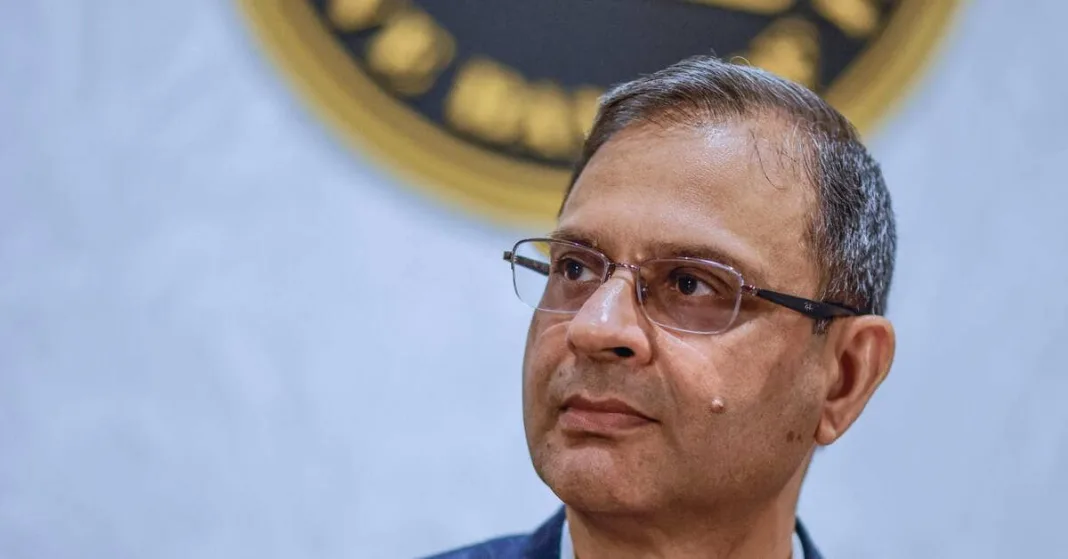

Malhotra was speaking at the post-monetary policy press conference. When asked whether the introduction of MDR could lead to a decline in UPI transaction volumes, Malhotra said, “As of now, we do not see any drop in volumes, and I don’t personally think that a small fee will have a major impact on the volumes.”
The decision on MDR had already been taken, Malhotra said, indicating that the charge was unlikely to materially affect UPI usage.
The Centre last month announced the introduction of MDR on UPI transactions above ₹2,000, ending around six years of zero-MDR UPI payments for specified transactions.
Meanwhile, UPI transactions that involve mutual funds, securities, stockbrokers and dealers will attract a lower MDR of 0.02 per cent, capped at ₹300.
Person-to-person (P2P) UPI transactions will continue to remain free, irrespective of the amount transferred, the Finance Ministry has clarified.
“The MDR is being charged by NPCI, the aggregator, the service provider, those who provide the POS machines, and the merchant bank. They are the ones providing the service. Above ₹2,000, the merchant is the one who will pay. That money is not coming to the Government of India, and we are not imposing it. And this will not be passed on to the customer,” Finance Minister Nirmala Sitharaman told news agency PTI in September.