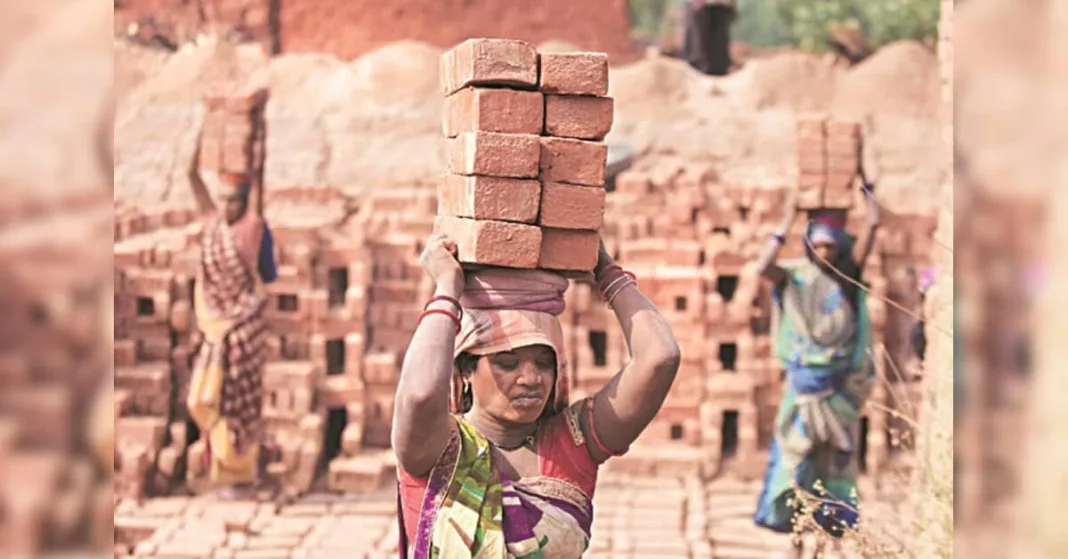

In the last decade and a half, these three states have emerged as major destinations for domestic migrants because of their relatively advanced demographic transition, faster economic development, industrialisation, urbanisation and higher wage levels, according to the study.
It added that migrant workers are not only labour-market participants but important contributors to critical sectors of south India’s economy. The vulnerabilities they face arise less from mobility itself than from structural and institutional weaknesses in labour governance, social protection, public-service delivery and interstate coordination, it observed. “Addressing these challenges therefore requires moving beyond piecemeal welfare responses towards a governance framework that recognises migration as an enduring feature of India’s development trajectory,” it said.