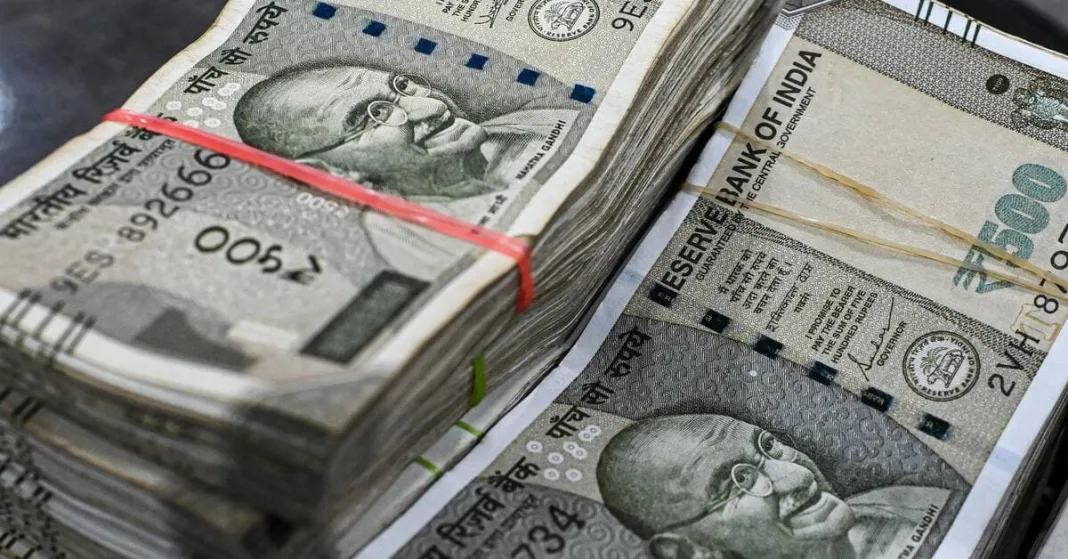

Homegrown polymer science firm Uflex, in partnership with the US-based Spectra Systems, has submitted bids for the proposed polymer banknote programme as the RBI evaluates potential suppliers to manufacture polymer-based currency substrate, sources said.
The programme was initiated by Bharatiya Reserve Bank Note Mudran Pvt Ltd (BRBNMPL), a wholly-owned subsidiary of the Reserve Bank of India (RBI).
As per the tender document, it seeks Biaxially Oriented Polypropylene (BOPP), coated uniformly with opacifying ink to the required colour, along with an anti-static coating, to provide a good surface for printing and ink adhesion. It requires 68,000 reams, 34,000 each for ₹10 and 20 denominations.
Polymer (plastic) currency is used fully or partially by around 60 countries.
Australia was the first to introduce it in 1988. Other major nations that use polymer banknotes include the United Kingdom, Canada, New Zealand, Singapore, Vietnam, and Romania.
The tender was floated on July 17, with August 18 as the last date for submission of expressions of interest (EOI). The tender was floated after the government’s approval to introduce polymer currency on a trial basis.
According to sources, a joint proposal from Uflex and US-based Spectra Systems has submitted a bid in the tender.
A query sent to Uflex seeking comment on its participation in the EOI remained unanswered.
The RBI, with the recommendation of its Central Board, had sent a proposal to the government in terms of Section 25 of the Reserve Bank of India Act, 1934, for introduction of one billion pieces each of ₹10 and ₹20 polymer banknotes for field trials and for regular issuance of polymer banknotes in these two denominations after successful completion of field trials, Minister of State for Finance Pankaj Chaudhary said in a reply to the Lok Sabha on July 27.
The proposal has been approved by the government, he stated.
The introduction of polymer banknotes is currently in a preliminary phase and the impact on digital payments, if any, could be ascertained only after regular issuance of these notes. Moreover, banknotes and digital payment systems are complementary payment tools available to the public, he added.
The proposed programme is expected to involve technical evaluation and testing of substrate samples before the larger procurement process. The assessment is likely to examine aspects such as security features, manufacturing consistency, scalability and long-term supply capabilities.
The Uflex-Spectra partnership brings together Uflex’s polymer manufacturing and industrial capabilities with Spectra Systems’ expertise in banknote authentication and security technologies, they added.
The proposed programme comes as India evaluates the feasibility of polymer-based currency substrates and the industrial capabilities required to manufacture them at scale.
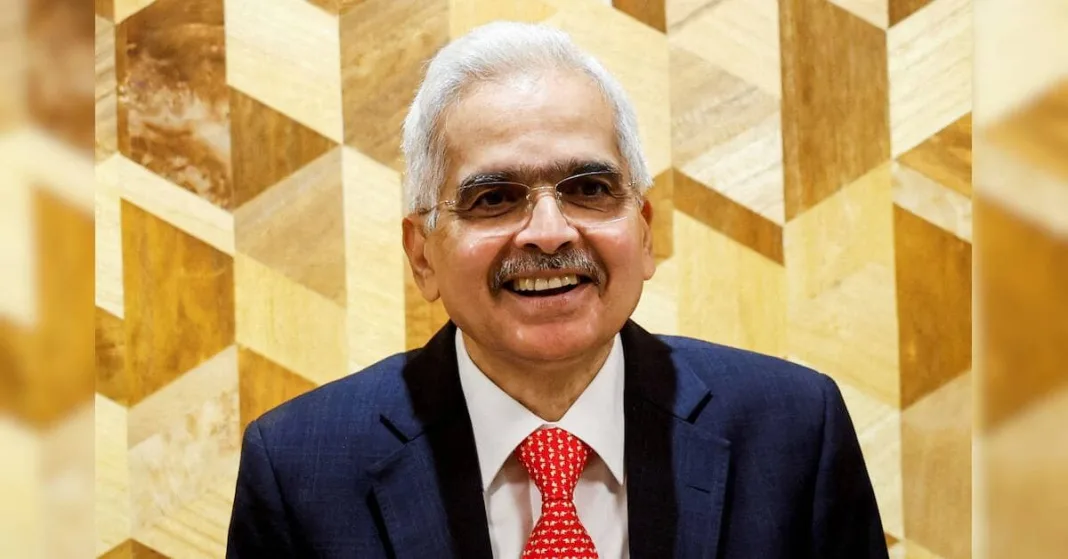
In June, RBI Governor Sanjay Malhotra stated that a proposal to introduce polymer currency notes was under consideration by the central bank and was at a preliminary stage.