
The pilot, which is expected to go live on October 15, will allow investors to convert physical gold into dematerialised EGR holdings within two hours. NSE plans to increase the number of authorised collection centres to more than 1,000 over the next year.
In another move to widen adoption, the exchange plans to offer six denominations of EGR on its platform — 10mg, 100 mg, 1 gram, 10 gram, 100 gram, and 1 kg, in two types of purity. Smaller denominations are expected to improve margins and encourage wider retail participation.
EGRs are dematerialised securities representing ownership of physical gold securely stored in vaults accredited
by the market regulator and held electronically through depositories. Each EGR is backed by physical gold and is tradable on the exchange.
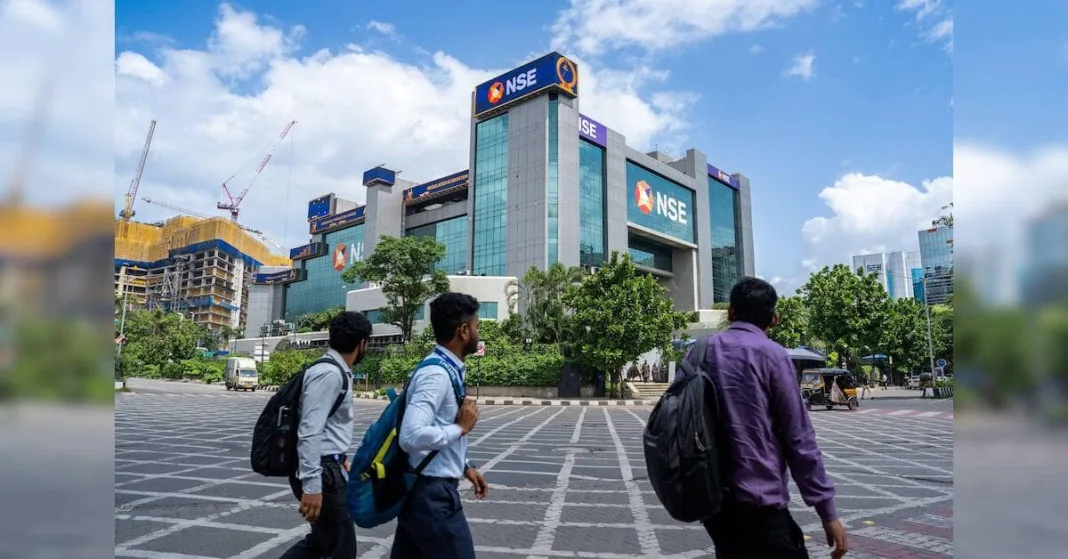
NSE had launched EGRs in May. However, the segment has seen minuscule trading volumes, ranging between ₹1 crore and ₹2 crore in September, with the number of trades hovering around 50 a day.
While bullion vendors will convert their gold into EGRs and help build supply, the exchange is working to generate retail demand for smaller denominations, an exchange official said.
“The plan is to do a pilot for one or two weeks and then roll out in a bigger way — across another 50 or 100 centres. We may slowly increase the number of authorised collection centres to a few thousand in another one year — across cities. From October 15, retail traders and investors may also be able to buy and sell EGRs through NSE’s app,” said Sriram Krishnan, chief business development officer, NSE.
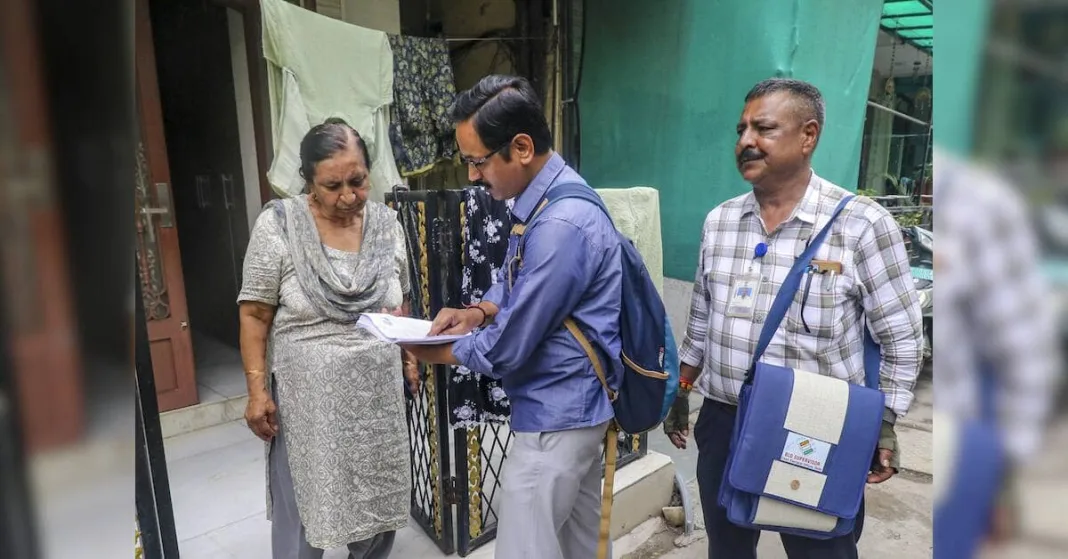
Under the pilot, people will be able to create EGRs by submitting their gold at authorised collection centres and trade them through their demat accounts on the NSE EGR segment. The centres will test the purity and weight of the gold. And if one agrees to submit it, the EGR will be reflected in the demat account within a couple of hours.
The exchange will sign up refiners, assayers for quality checks, vault managers and depositories. These agreements have been completed. The exchange has a dual task at hand — increasing the number of people submitting gold for EGR creation and facilitating more buying and selling of EGRs on its platform.
Industry players had earlier raised concerns around the goods and services tax (GST) on EGRs, which they said could limit adoption.
“The biggest hindrance to adoption right now is operational. Back-office and front-office vendors are still building and testing the required systems, so while EGRs are already live on the exchanges, we are currently unable to offer them to clients,” said Ajay Garg, director and chief executive officer, SMC Group.
He said there was an additional 3 per cent GST on EGRs, which could weigh on demand in the near term.
However, Garg said the convenience of being able to take physical delivery will outweigh the marginally higher cost for many clients, while sellers could reduce their margins to maintain competitive pricing.
“We also expect the exchanges to take up the GST issue with regulators to explore a way to avoid double taxation. Until that is resolved, demand could remain somewhat subdued,” he noted.
- Convert physical gold into dematerialised EGRs within two hours
- Authorised collection centres to cross 1,000
- Six EGR denominations, from 10 mg to 1 kg, in two purities
- Pilot app to go live on October 15