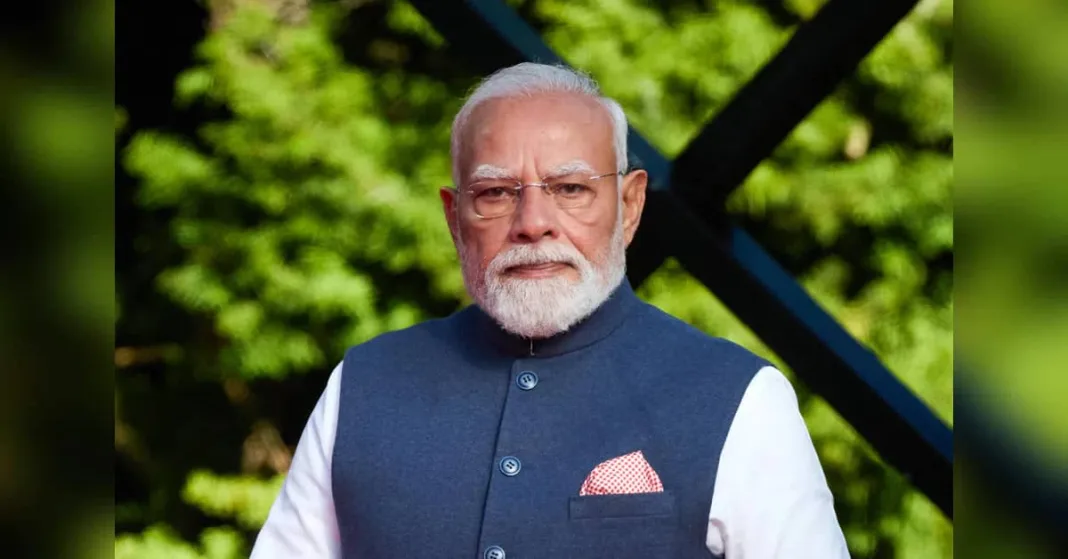

Amid rapid developments in international diplomacy, India will need to strike a fine balance between its strategic ties with Russia and Western Europe in the coming months. Prime Minister Narendra Modi is slated to visit Germany, Belgium, Canada and the United States (US) in December, while Russia has also extended an invitation for him to visit Moscow for the annual bilateral summit.
Germany has urged India to reduce its dependence on Russia, with its envoy to New Delhi, Jasper Wieck, stating last week that reducing purchases of Russian oil would dent Moscow’s ability to finance the war in Ukraine. On Saturday, the German and Russian foreign ministers met on the sidelines of the UN General Assembly (UNGA). This was their first such formal meeting since the Russia-Ukraine conflict began in 2022. German Foreign Minister Johann Wadephul called on Russia to abandon its “dangerous path of escalation” toward Germany, Europe and the Nato alliance. Ties between Russia and Germany have soured in recent weeks, following an attempted drone attack last month at Leipzig airport. Germany blamed the incident on Russia. A little after his meeting with Wadephul, Russia’s Foreign Minister Sergey Lavrov addressed the UNGA, where he opposed Germany or Japan gaining a permanent seat on the UN Security Council, and supported the cause of Brazil and India.
On the sidelines of the UNGA, External Affairs Minister S Jaishankar met his Canadian counterpart Anita Anand on Saturday. After the meeting, Jaishankar posted on X that the two countries are preparing to take their relationship “to a higher level”. Earlier this week, Canadian Prime Minister Mark Carney said at the UN that Prime Minister Modi is expected to visit Canada around December this year, coinciding with his visit to Florida, US, for the G20 Summit. Carney said the two have made “good progress” in their trade negotiations. Jaishankar also met Venezuelan Foreign Minister Félix Plasencia Gonzalez. After the meeting, he said India-Venezuela energy ties are gaining momentum. Jaishankar met his Mexican counterpart Roberto Velasco Alvarez. The two sides are aiming to finalise their preferential trade agreement.
On Friday, Jaishankar held discussions with Lavrov and Iranian Foreign Minister Syed Abbas Araghchi. The meetings took place days after US President Donald Trump signed the ‘Lindsey O Graham Sanctioning Russia and Iran Act of 2026’, which authorises and expands statutory sanctions, tariffs, and prohibitions on Russia and extends existing sanctions on Iran.