
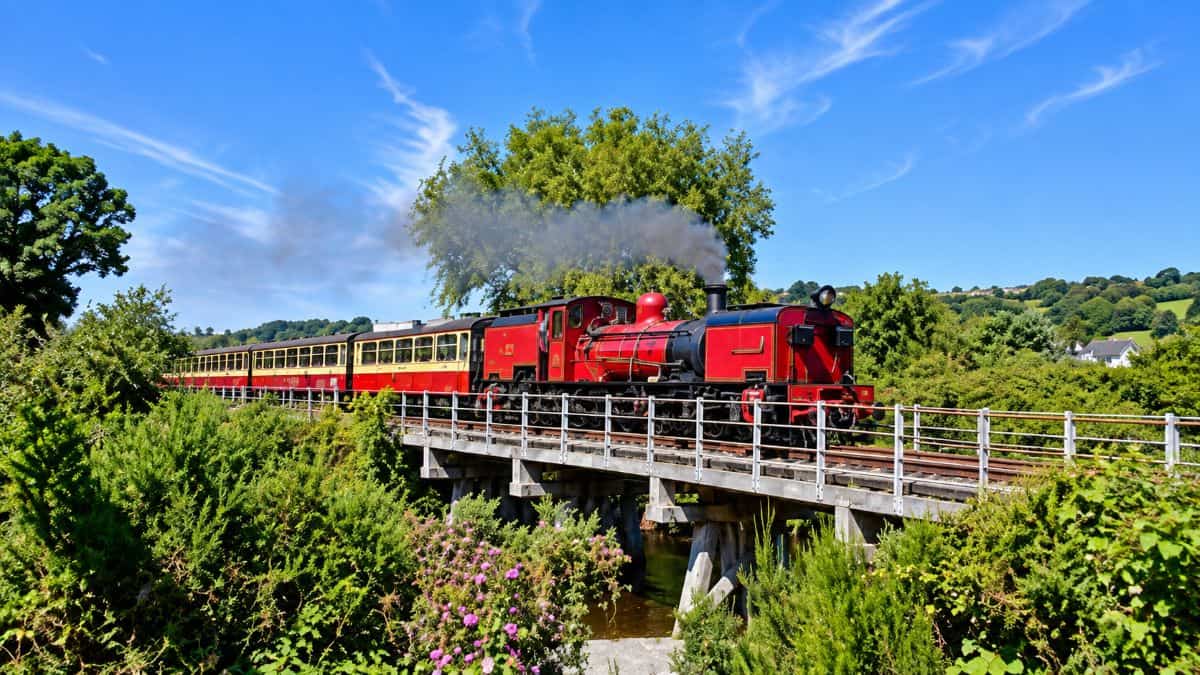
The possibility of restoring the historic railway connection between Penrith and Keswick is renewing attention on sustainable transport, regional connectivity and the future of tourism in England’s Lake District. More than five decades after passenger services were withdrawn, renewed discussion surrounding the former Cockermouth, Keswick and Penrith Railway highlights the challenges facing communities that depend heavily on private vehicles. A reinstated railway could potentially offer visitors and residents an alternative to road travel while supporting wider discussions about congestion, environmental protection and local economic resilience.
The proposed connection would link Keswick with Penrith and provide access to the West Coast Main Line, creating opportunities for improved journeys into the Lake District. However, restoring a railway would require substantial investment, detailed feasibility assessments, environmental considerations and policy support. A recent reader letter published in Cumbria has brought the proposal back into public discussion, arguing that rail restoration should be considered a practical transport priority rather than simply a heritage project. The debate reflects broader questions about how regional rail infrastructure could support sustainable tourism and improve access to popular destinations.
Former Railway Route Returns To Regional Transport Debate
The Cockermouth, Keswick and Penrith Railway previously connected communities across parts of Cumbria, but passenger services were withdrawn in 1972. Its closure left Keswick without a direct rail connection, increasing the importance of road transport for many journeys into and around the area.
The railway’s historical significance remains relevant to current transport discussions because Keswick is a major destination for visitors exploring the Lake District. The town’s appeal includes its proximity to lakes, mountains, walking routes and cultural attractions, while its popularity creates pressure on local roads and parking facilities during busy travel periods.
The recent public argument for restoring the route focuses on the potential benefits of a modern regional transport corridor. Rather than treating the railway solely as a historic asset, supporters have presented it as infrastructure that could serve residents, commuters and tourists.
Advertisement
Advertisement
Any future project would need to establish whether the route is technically, financially and environmentally viable before construction decisions could be made.
How A Penrith Keswick Railway Could Influence Tourism
A restored railway could change how visitors plan journeys to the northern Lake District. Penrith already has a connection to the wider national rail network, making the town a potential interchange for passengers travelling towards Keswick.
A direct or efficiently connected rail service could provide an alternative for travellers who currently rely on cars, taxis or buses. This could be particularly relevant for visitors arriving from other parts of the UK who want to explore the Lake District without driving throughout their trip.
The tourism implications would depend on several factors, including service frequency, ticket affordability, station locations, accessibility and connections with local buses and walking routes. Rail infrastructure alone would not guarantee a shift away from private vehicles.
| Travel Consideration | Potential Relevance Of A Restored Railway |
|---|---|
| Access to Keswick | Could provide an alternative transport connection for visitors |
| Road congestion | May reduce some car journeys if services are convenient and reliable |
| Sustainable tourism | Could support lower-carbon travel choices |
| Local economy | May improve access for workers, residents and tourists |
| Lake District exploration | Could strengthen connections with onward bus and walking routes |
| Infrastructure investment | Would require detailed planning and substantial funding |
These potential outcomes would require assessment through transport modelling and comprehensive feasibility studies.
Advertisement
Advertisement
Reducing Road Pressure Across The Lake District
Road congestion and parking demand are important considerations for destinations experiencing significant visitor numbers. The A66 corridor plays a major role in regional connectivity, and transport discussions frequently examine how alternative travel options could improve movement between communities.
A rail connection between Penrith and Keswick could potentially remove some journeys from local roads, particularly if services were designed around commuter travel, visitor arrivals and seasonal demand. However, the scale of any reduction would depend on passenger uptake and the availability of practical connections at both ends of the route.
The Lake District National Park’s environmental setting also makes transport planning particularly significant. Tourism supports local businesses and employment, but increased vehicle use can contribute to congestion, emissions and pressure on visitor infrastructure.
A sustainable transport strategy would therefore need to consider rail alongside bus services, cycling facilities, walking routes and traffic management. A combination of options could provide greater flexibility for residents and visitors than reliance on a single transport method.
Economic Opportunities And Regional Connectivity
Restoring a railway could have implications beyond tourism. Improved regional connections may support access to employment, education, healthcare and local services, depending on the route and operating arrangements.
Advertisement
Advertisement
For businesses in Keswick and surrounding communities, reliable transport links could help workers and customers travel more easily. Visitors arriving by rail might also spend time in local shops, restaurants, accommodation providers and attractions.
The economic effects, however, would need to be examined through a structured business case. Construction costs, ongoing maintenance, operating subsidies, expected passenger numbers and wider economic benefits would all influence the viability of the proposal.
The reader letter supporting the restoration of regional rail connections calls for policy backing from local authorities, regional leaders and Transport for the North. Such support would be one part of a broader process involving evidence gathering, funding discussions and public consultation.
Why Feasibility Studies Would Be Essential
Railway restoration projects involve complex engineering, land-use, environmental and financial considerations. The former route may have experienced changes since passenger services ended, including developments affecting track alignments, bridges, crossings and station sites.
A feasibility study would need to examine the potential route, engineering requirements, estimated construction costs and environmental impacts. It would also need to assess expected demand from residents and visitors throughout the year.
Advertisement
Advertisement
| Planning Area | Key Questions |
|---|---|
| Engineering | Can the historic route be restored or adapted? |
| Funding | What sources could support construction and operation? |
| Environment | How could construction affect protected landscapes and habitats? |
| Passenger Demand | How many residents and visitors might use the service? |
| Integration | How would rail connect with buses and existing national services? |
These assessments would help establish whether a restored railway could deliver the transport and tourism benefits supporters envisage.
Sustainable Travel And The Future Of Keswick
Sustainable tourism increasingly involves examining how visitors reach destinations, not only what they do after arrival. Better public transport can contribute to a more integrated travel experience when it is reliable, accessible and connected to local attractions.
For Keswick, a railway connection could form part of a wider strategy to manage visitor movement and improve travel choices. It could also complement existing walking and cycling opportunities in the surrounding Lake District.
Nevertheless, transport improvements must reflect the needs of local communities as well as visitors. A successful project would require careful consideration of affordability, accessibility, operating schedules and the potential effects on residents.
The renewed discussion about the Penrith–Keswick railway illustrates how historic infrastructure can become part of contemporary conversations about regional development. Whether the route progresses beyond public advocacy will depend on future studies, political decisions, investment and stakeholder engagement.
Advertisement
Advertisement
What The Railway Debate Means For Lake District Visitors
For travellers, the proposal highlights the importance of transport planning in one of England’s most recognised tourism regions. Visitors currently planning trips to Keswick should continue to consider available rail, bus and road connections rather than assume that a restored railway is imminent.
A future railway could offer another way to reach the area, but the timeline, route design and service arrangements remain uncertain. Any confirmed development would need to be communicated through official transport and project announcements.
The wider issue extends beyond one railway line. Regional connectivity, environmental protection and visitor management are closely connected, particularly in destinations where seasonal demand places pressure on infrastructure.
The Penrith–Keswick proposal therefore remains a subject of public discussion with potential relevance to Cumbria’s transport future and sustainable tourism ambitions.
Frequently Asked Questions
1. When were passenger services on the Penrith–Keswick railway withdrawn?
Advertisement
Advertisement
Passenger services were withdrawn in 1972.
2. Which historic railway route is being discussed for restoration?
The former Cockermouth, Keswick and Penrith Railway route is the subject of the restoration discussion.
3. Why could the railway matter to Lake District tourism?
It could potentially provide an alternative travel option for visitors travelling to Keswick and the surrounding Lake District.
Advertisement
Advertisement
4. Would a restored railway reduce road congestion?
It could reduce some car journeys if the service attracted passengers, although the actual impact would depend on demand and operating arrangements.
5. Would the railway connect Keswick with the national rail network?
The proposed connection would link Keswick with Penrith, which connects to the West Coast Main Line.
6. Why is sustainable transport important in the Lake District?
Advertisement
Advertisement
Sustainable transport can help address travel-related pressures, including congestion, emissions and parking demand.
7. Would restoring the railway require government support?
A major restoration project would likely require substantial funding, planning and institutional support, subject to future assessments and decisions.
8. Could the railway benefit local businesses?
Improved connectivity could potentially support access to customers, employees and visitors, although the economic impact would require detailed evaluation.
Advertisement
Advertisement
9. Is the Penrith–Keswick railway restoration confirmed?
The proposal remains part of public discussion. No confirmed construction timetable or completed restoration project is established in the supplied report.
10. What should visitors do when planning a Keswick trip today?
Travellers should use currently available transport services and check journey arrangements before travelling, as the proposed railway is not an operational connection.