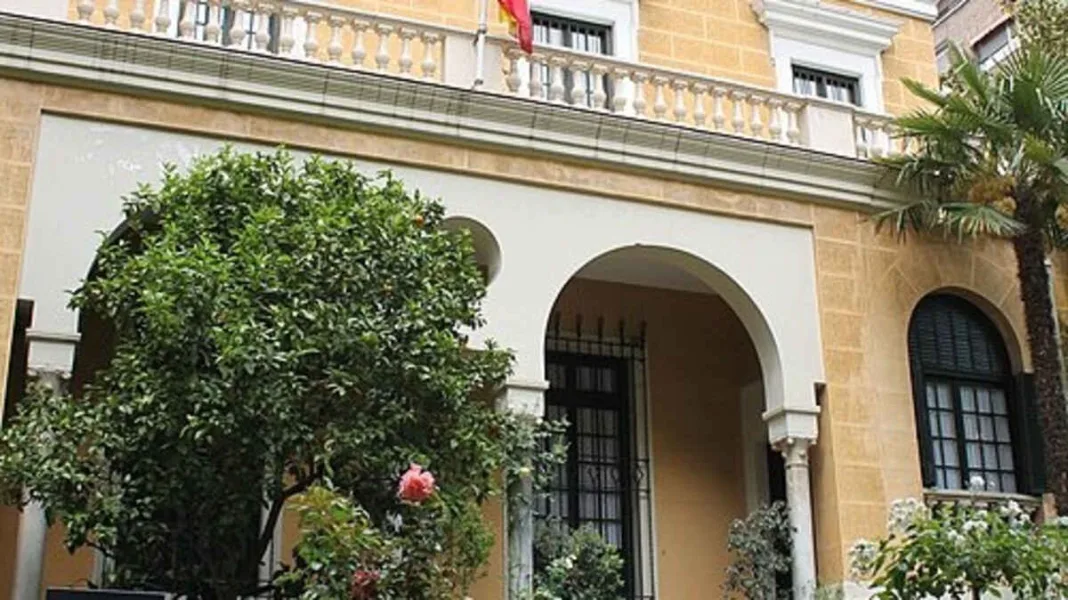

The extended Museo Sorolla is a major change in the tourism of Madrid as it prepares to reopen. It is one of Madrid’s most important heritage renovation projects. The museum is expanding and renovating to create large exhibit areas with improved facilities for the public, as well as accessibility and modern cultured experiences while protecting the original character of the artist’s home and studio. This project, orchestrated by the Spanish Ministry of Culture, is designed to enhance Madrid’s position as a top cultural destination in Europe and to offer international travelers a renewed, central focus on Spanish art, history and heritage.
The expansion and renovations of the Museo Sorolla closed the museum in October of 2024. By the anticipated 2026 opening date, the museum will provide larger exhibits and services and offer visitors a brand new opportunity to explore the life and work of Joaquín Sorolla, of which, his art and history illustrate Spanish culture at its finest.
The current project is not just focused on upgrading the museum building. It is in line with Spain’s efforts to balance the preservation of its reputation for fine cultural heritage with more modern museum expectations. With an increasingly important role of cultural tourism in the growth of Madrid and other similar destinations, the commitment to enhance cultural tourism by providing attractions for longer stays and highly engaged tourism is strongly present.
Museo Sorolla Expansion Nearly Triples Museum Space and Creates New Visitor Facilities
The biggest change in the project is the dramatic increase in museum space. Before the expansion, Museo Sorolla operated within the artist’s former residence with around 1,700 square metres available for exhibitions, collections and visitor services. While the historic setting created a unique experience, limited space restricted the museum’s ability to display more works and organise larger cultural programmes.
Advertisement
Advertisement
To overcome this challenge, Spain’s Ministry of Culture incorporated an adjacent property into the museum complex. The additional building, previously used as a workshop and vehicle dealership, was acquired to connect with the original museum structure and create a larger cultural facility. After the transformation, the expanded Museo Sorolla complex will reach approximately 5,500 square metres, offering significantly more room for permanent collections, temporary exhibitions, educational programmes and public activities.
Key Expansion Improvements at Museo Sorolla
| Project Area | Major Upgrade |
|---|---|
| Museum Space | Expansion from around 1,700 sq m to approximately 5,500 sq m |
| Exhibition Capacity | More space for artworks and temporary exhibitions |
| Visitor Access | New entrance from Zurbano Street |
| Accessibility | Improved access for visitors with reduced mobility |
| Cultural Facilities | Flexible rooms for events, workshops and educational activities |
| Conservation | Modern facilities for artwork management and preservation |
The expanded museum will allow more visitors to experience Sorolla’s artistic world while improving operational capacity for one of Madrid’s most valuable cultural institutions.
Spain Preserves Joaquín Sorolla’s Historic Home While Building a Modern Museum Experience
One of the most important elements of the redevelopment is the careful balance between modernisation and heritage protection. Museo Sorolla is not simply an art gallery; it is the former residence and workplace of Joaquín Sorolla, where visitors can experience the environment in which the artist created many of his famous works. The original house, garden and studio represent an important part of Spain’s artistic heritage. Because the building is more than a century old and has strong historical protection, renovation work has focused on preserving its identity while introducing essential improvements.
The expansion has been designed to respect Sorolla’s connection with light, space and creativity. The new areas include architectural features inspired by the artist’s studio environment, including designs that maximise natural light and create a connection between the historic rooms and the newly developed spaces. This approach allows the museum to expand without losing the intimate atmosphere that makes Museo Sorolla different from traditional museums. Visitors will continue to experience the relationship between Sorolla’s paintings, personal life and creative surroundings.
Madrid Tourism Gains a Stronger Cultural Attraction for International Travellers
The transformation of Museo Sorolla comes at an important time for Madrid’s tourism sector. The Spanish capital is already recognised as one of Europe’s leading cultural destinations, supported by internationally famous museums, historic neighbourhoods and heritage attractions. The expanded Museo Sorolla will strengthen this cultural offering by adding a larger and more accessible attraction for travellers interested in art, history and authentic Spanish experiences.
Unlike large national museums that focus mainly on collections, Museo Sorolla provides visitors with a more personal journey. Travellers can explore not only the painter’s artworks but also his home, studio, gardens and everyday environment. For international tourism markets, this type of experience is becoming increasingly valuable. Visitors are looking for meaningful cultural connections rather than only traditional sightseeing. Historic house museums provide a deeper understanding of local identity and heritage.
The expansion is expected to support:
- Increased cultural tourism visits in Madrid
- New heritage travel experiences
- Longer visitor stays through additional attractions
- More opportunities for guided tours and cultural itineraries
- Greater international visibility for Spanish art heritage
The museum’s reopening will also create new possibilities for exhibitions and educational programmes, helping Madrid attract repeat visitors who are interested in cultural discovery.
New Accessibility Features Improve the Experience for Global Visitors
Accessibility is one of the key improvements included in the Museo Sorolla expansion. A new entrance from Zurbano Street will make the museum easier to access, particularly for visitors with reduced mobility. The entrance will also improve the movement of artworks and museum operations by providing a dedicated route for collection management. The expanded facilities are designed to separate visitor movement from artwork transportation, ensuring safer handling of valuable collections while improving the overall museum experience.
A new multipurpose auditorium will also increase the museum’s ability to host cultural events, educational sessions, conferences and public programmes. The flexible design allows spaces to adapt according to different activities, creating a more dynamic cultural destination. These improvements reflect changing expectations among global travellers, who increasingly consider accessibility, comfort and visitor services when choosing cultural attractions.
Spain’s Investment in Cultural Tourism Strengthens Madrid’s Global Appeal
The Museo Sorolla expansion highlights Spain’s commitment to developing cultural tourism through heritage preservation and modern infrastructure. As destinations compete globally for international visitors, museums and cultural attractions are becoming important tools for increasing tourism value. Madrid’s strategy focuses on improving existing landmarks while creating new reasons for travellers to explore the city. The expanded Museo Sorolla fits into this approach by combining historical authenticity with contemporary visitor expectations.
The project also supports the international recognition of Joaquín Sorolla’s work. Known for his extraordinary use of light, landscapes, portraits and scenes of Spanish life, Sorolla remains one of Spain’s most influential artists. The expanded museum will provide a stronger platform for showcasing his legacy to future generations. The investment in the museum includes approximately €6.5 million from Spain’s Ministry of Culture for the expansion and rehabilitation project, demonstrating the national importance of preserving and upgrading cultural assets.
Museo Sorolla Reopening Set to Redefine Madrid’s Cultural Tourism Future
The improved Museo Sorolla aims to blend Madrid’s heritage with contemporary museum design and allow tourists to appreciate the masterpieces in larger galleries with better accessibility and service. The museum also provides a variety of fun and interactive ways to entice visitors to learn more about Joaquin Sorolla.
Tourists will enjoy a novel and enjoyable journey of Spain’s art and architecture interlaced with histories of some of its most important personalities. This museum also reinforces Madrid’s reputation as one of the world’s cities of culture and heritage. Madrid will attract visitors from all over the globe to experience the artistic wonders of Spain. Museo Sorolla will draw visitors and give them more opportunities to experience and understand the artistic heritage of the great city of Madrid.