
At India’s eighth WTO Trade Policy Review in July, China, Indonesia and Brazil flagged trade barriers, industrial subsidies, quality-control orders (QCOs), tariffs, anti-dumping measures and agricultural support. Russia, Egypt and Saudi Arabia, meanwhile, largely praised India’s reforms and economic engagement.
China gave the most wide-ranging critique, saying: “We expect India to follow its commitment and obligations under WTO agreements, remove inappropriate trade barriers, restrain from using restrictive trade instruments and treat market entities from all members fairly.”
It specifically flagged the production-linked incentive (PLI) schemes, voicing concerns about consistency with WTO subsidy rules. It said QCOs could be “more trade-restrictive than necessary”.
Beijing also questioned additional tariffs on some information and communications technology (ICT) products, while highlighting New Delhi’s extensive use of anti-dumping measures with 226 probes during the review period and 170 measures in force as of June 2025.
It also urged India to support the WTO’s Investment Facilitation for Development Agreement, seeking more flexibility on plurilateral initiatives.
India responded saying its industrial and trade measures were aimed at legitimate development objectives, adding they were WTO-consistent. India added the orders and conformity-assessment procedures for QCOs were being systematically rationalised to ensure they were “proportionate and no more trade-restrictive than necessary”.
India argued that the commercial impact of anti-dumping measures remained modest, adding these were subject to due process and judicial oversight.
Indonesia’s concerns were more directly linked to the prospect of expanding bilateral trade, as it called for a “modern and predictable framework for our trade”, urging India to enhance the “transparency, predictability, and efficiency” of trade measures. The neighbour has urged India to rely more on international standards and mutual recognition arrangements for trade.
As India’s leading palm-oil supplier, Indonesia had sought “stable and predictable tariff treatment” and urged transparent, WTO-consistent implementation of the PLI scheme and the Approved List of Models and Manufacturers. It also called for a simpler Asean-India Trade in Goods Agreement, with “modern rules of origin and fewer frictions at the border”.
In a broad response, India said its tariff policy was aimed at diversifying supply chains, while reducing excessive dependence on concentrated import sources. Its regulatory measures aimed to protect consumers, health and the environment, the country added.
Brazil’s objections were focused heavily on agriculture as it sought clarity on India’s oilseed-production programme, farmer safety net and price-support payments. It also sought clarity on export-tax reimbursement and transparency surrounding the cotton bales QCO. Brazil said the questions reflected its interest in “transparency, predictability and the trade effects of domestic measures”.
India defended its agricultural policies as necessary to protect food security, vulnerable consumers and farmers. The measures were “calibrated and transparent” and consistent with WTO rules, it said.
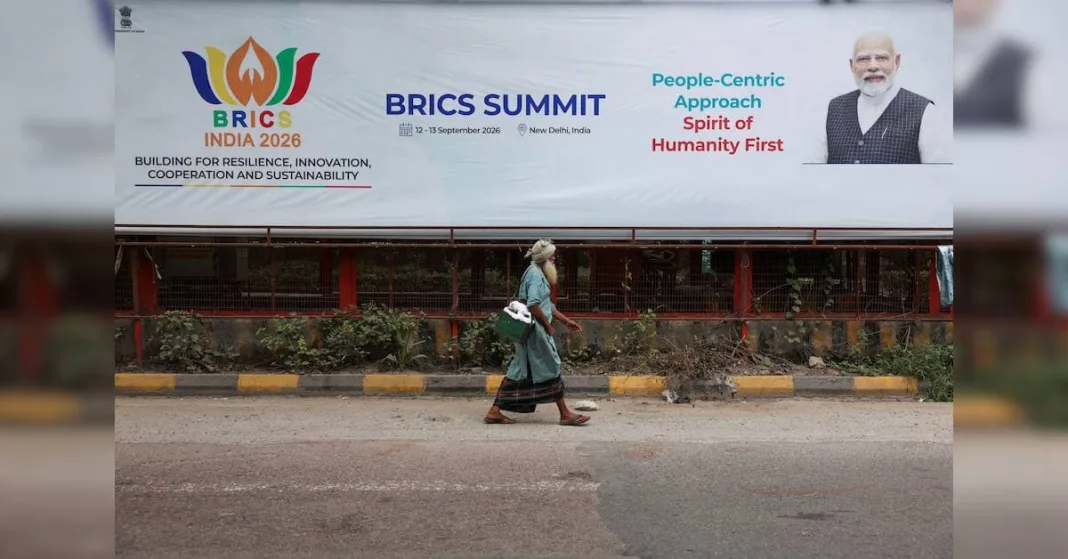
To be sure, not all Brics partners were critical of India’s trade policies, with Russia reaffirming its “full support” for its Brics chairmanship and “warmly” wishing India success in hosting the summit. Moscow highlighted bilateral cooperation in energy, technology, pharmaceuticals, logistics and a proposed India-Eurasian Economic Union trade agreement. Saudi Arabia praised India’s trade facilitation, infrastructure and digital reforms and backed the ongoing GCC-India FTA negotiations.
Egypt, likewise, said India’s reforms could create “stronger industrial partnerships and investment opportunities” for developing countries, particularly African partners.