



September 7, 2026 7:31 AM

Image generated with Ai
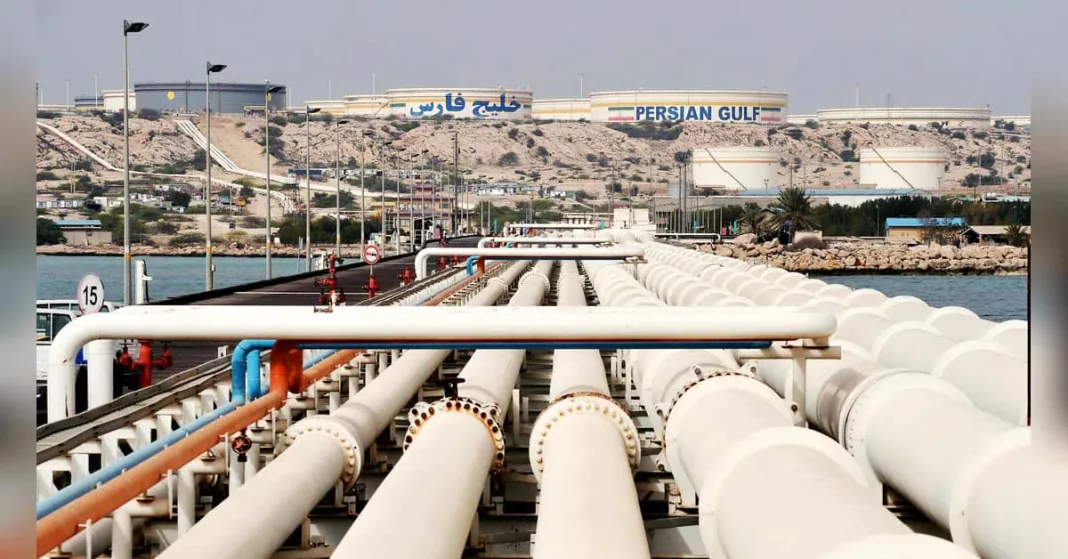
Mining revenues may alter a region; yet, the true potential of mining lies in its ability to foster an economy that sustains itself after mining has ceased. In Australia, along with many other resource-rich nations, there has been increased emphasis placed on developing strategies to rechannel the mining revenues towards tourism, cultural development, transport routes, and environmental development. This strategy allows for the mining regions to be developed as access points for the natural, cultural, and adventurous elements within those regions. Improved transport links, tourist attractions, indigenous tourism, and tourism facilities will help diversify employment opportunities.
Macroeconomic Drivers: The Dutch Disease and Post-Extractive Transition
Resource-dependent economies operate under the permanent shadow of finite asset depletion and volatile global commodity pricing cycles. In regions dominated by large-scale open-cut extraction, the rapid inflow of capital during mineral upswings frequently induces localized symptoms of Dutch disease. During these phases, extractive wages and operational service contracts inflate local costs, draining skilled labour and entrepreneurial capital away from secondary industries such as agriculture, light manufacturing, and hospitality. When global commodity demand softens or commercial deposits become exhausted, single-commodity towns face devastating structural contraction, municipal revenue shortfalls, and severe population loss.
Addressing this systemic vulnerability requires public policy frameworks that capture non-renewable resource windfalls and systematically reinvest them into perpetual-yield civic and commercial assets. Multilateral institutions, notably the Organisation for Economic Co-operation and Development (OECD) through its Mining Regions and Cities Initiative, emphasise that regional resilience requires aggressive economic diversification before mineral depletion occurs. While extractive activities generate immediate fiscal dividends, long-term stability depends on redirecting these funds into sustainable post-resource tourism economies that establish enduring secondary service sectors.
Transforming an industrial transit corridor into a thriving leisure and wilderness destination requires extensive capital deployment. Remote mining basins typically possess extraordinary geological formations, ancient cultural heritage, and pristine ecological landscapes. However, these potential visitor assets are often locked behind forbidding logistics, unsealed transit corridors, and an absence of visitor amenities. By establishing statutory funding mechanisms that capture mineral royalties, regional development authorities can finance the heavy civil infrastructure required to turn isolated mining frontiers into accessible, resilient visitor destinations.
| Jurisdiction | Primary Enabling Policy / Legislation | Dedicated Funding Mechanism | Targeted Infrastructure Assets | Primary Beneficiaries |
| Western Australia | Royalties for Regions Act 2009 | Hypothecation of State mineral royalties (25% annual baseline equivalent) | Sealed highway networks, national park civil upgrades, Aboriginal cultural centres | Regional shires, domestic self-drive tourists, First Nations corporations |
| Chile | Ley de Royalty Minero (Ley 21.591) | Flat ad-valorem tax (1%) and operational margin levy (8–26%) on copper miners | Desert transport corridors, municipal amenities, heritage conservation precincts | Mining municipalities, local tourism boards, indigenous desert communities |
| South Africa | Mineral and Petroleum Resources Development Act (MPRDA) | Mandatory Social and Labour Plans (SLPs) and Local Economic Development budgets | Industrial mining museums, eco-trail corridors, repurposed post-closure assets | Mining communities, retrenched workforces, emerging hospitality operators |
Legislative Frameworks and Sovereign Wealth Capture
The operational benchmark for sovereign royalty reinvestment is demonstrated by Western Australia’s governance framework. The state’s Pilbara region produces vast quantities of global iron ore, generating nearly $7.5 billion in annual state royalties—representing approximately 80 percent of Western Australia’s total mineral royalties and nearly a quarter of its entire state revenue base. Recognising the imperative to convert this non-renewable wealth into lasting public value, the state legislature passed the Royalties for Regions Act 2009, mandating that 25 percent of forecast mining royalty collections be reinvested into regional infrastructure, civic headworks, and community development programs.
This statutory hypothecation functions alongside whole-of-government economic diversification initiatives overseen by the Department of Jobs, Tourism, Science and Innovation and Tourism Western Australia. Central to this effort is the Western Australia Visitor Economy Strategy 2033 (WAVES 2033), a ten-year economic master plan targeting $25 billion in annual visitor expenditure by 2033. Underpinning this strategic horizon is an initial Western Australian Government funding commitment of $530 million over four fiscal years to enhance regional infrastructure, expand aviation access routes, and scale cultural tourism assets.
Official financial metrics validate the expansion of this regional visitor model. Across the 2024–25 financial year, Western Australia’s visitor economy supported $15.9 billion in Gross State Product and generated more than 120,000 tourism-filled jobs, achieving a record visitor spend of $17.2 billion. Crucially, $7.6 billion—or 44 percent of total visitor expenditure—was captured directly within regional Western Australia, confirming that visitor dispersal acts as an effective counterweight to metropolitan capital centralization.
The allocation of mining royalties for tourism infrastructure systematically resolves long-standing regional development barriers. Established mining towns such as Tom Price, Karratha, and Newman, which originally developed as single-industry resource hubs or freight depots, are being repositioned as thriving gateways to ancient national parks and coastal reserves. Through coordinated funding by the Pilbara Development Commission, these regional centres are enhancing municipal airports, expanding civic facilities, and establishing commercial zones designed to sustain private-sector investment during commodity downturns.
Transportation Corridors and Fleet Logistics: The 2WD Transformation
Physical isolation remains the single greatest impediment to expanding remote tourism economies. For generations, premier national parks and remote cultural landscapes located within extractive basins were accessible exclusively to robust four-wheel-drive (4WD) vehicles equipped for rough corrugated roads. This logistical reality restricted visitation to a narrow segment of specialized adventurers, effectively excluding the mass market of conventional two-wheel-drive (2WD) passenger vehicles, touring caravans, international fly-drive visitors, and commercial campervans.
Commercial vehicle rental policies illustrate this commercial bottleneck. Mainstream campervan and rental car contracts strictly prohibit driving 2WD vehicles on unsealed roads, stipulating that driving on gravel surfaces completely invalidates insurance coverage and incurs severe contractual penalties. Consequently, regional destinations relying on corrugated dirt roads forfeit access to high-yield self-drive travellers, who cannot take rental vehicles into these areas.
To break this geographic and commercial bottleneck, Main Roads Western Australia deployed substantial sovereign royalty allocations, combined with federal funding, to deliver the Manuwarra Red Dog Highway. Spanning 271 kilometres between Karratha on the coast and the inland mining centre of Tom Price, this $380 million corridor upgrade transforms what was once an unsealed, high-risk haul route into a modern sealed arterial highway. By providing a high-capacity sealed surface, the project reduces transit times between the two regional centres by 2.5 hours while providing safe, reliable access.
The civil engineering requirements for the corridor were complicated by legacy environmental challenges. Along Stage Three, a 48-kilometre alignment connecting Camp Curlewis to Wallyinya Pool, the highway traces an old transport route previously used to haul blue asbestos from the defunct Wittenoom mines down to the coast. Bags of asbestos historically dislodged from transit trucks had contaminated the road reserve, prompting safety authorities and the Shire of Ashburton to halt maintenance due to health risks. Delivering the sealed road required extensive remediation protocols and deep capping earthworks to safely seal and isolate hazardous materials beneath asphalt and bitumen.
The completion of this highway network delivers dual-purpose logistical benefits: it provides mining maintenance fleets with reliable year-round transit while opening a high-standard corridor for ordinary passenger vehicles and rental campervans. By connecting two of the state’s most prominent conservation estates—Millstream-Chichester National Park and Karijini National Park—the Manuwarra Red Dog Highway brings these remote wilderness destinations directly into mainstream self-drive tourism itineraries.
| Highway Construction Stage | Geographic Alignment | Segment Length | Capital Investment | Key Engineering Constraints & Scope |
| Stage One | Tom Price to Nanutarra–Munjina Road | 25 km | $26 million | Iron ore rail corridor following; realigned route reducing transit distance by 15 kilometres. |
| Stage Two | North West Coastal Highway to Camp Curlewis | 90 km | $150 million | Extensive earthworks across the Chichester Range; substantial drainage infrastructure and culverts. |
| Stage Three | Camp Curlewis to Wallyinya Pool | 48 km | $81.5 million | Sub-base stabilization; hazardous blue asbestos remediation and permanent encapsulation under bitumen seal. |
| Stage Four | Wallyinya Pool to Nanutarra–Munjina Road | 110 km | $229 million | Final link construction; challenging flood-prone crossings; final sealing connecting Tom Price directly to Karratha. |

Image generated with Ai
Civil Engineering in Extreme Terrains: Inclusive Wilderness Infrastructure
Expanding visitor access into fragile wilderness environments creates severe environmental management challenges. Arid gorge systems and dry desert landscapes are highly vulnerable to foot-traffic erosion, vegetation clearance, and bushfire hazards. Concurrently, modern ecotourism standards require that public parks provide accessible amenities for travelers of diverse physical capabilities, moving past the historic assumption that remote wilderness must be restricted to able-bodied, highly equipped hikers.
The Western Australian Department of Biodiversity, Conservation and Attractions (DBCA) addressed this challenge through the $21.2 million Karijini National Park Improvement Project, financed through state royalties. Karijini National Park attracts more than 650,000 visits each year, renowned globally for its deep banded ironstone chasms, natural swimming pools, and rugged desert terrain. Historically, viewing these natural wonders required negotiating rugged, unimproved goat tracks, leaving visitors who could not manage Class 5 hiking trails unable to experience the interior chasms.
DBCA civil engineers designed specialized universal-access facilities tailored to the extreme summer temperatures and sheer terrain of the Hamersley Range. At Knox Gorge, teams installed an engineered cantilevered steel viewing lookout anchored into the solid rock face. Projecting out over the abyss, the platform offers unobstructed views into the junction of Knox and Wittenoom Gorges without requiring visitors to climb uneven cliff edges or stone steps.
Complementing this lookout architecture, DBCA sealed 41 kilometres of internal park access roads, creating a smooth transit loop linking Weano Gorge, Dales Gorge, and the Karijini Eco Retreat. At the Weano Recreation Area, engineers built 120 dedicated car parking spaces, 12 long bays designed for caravans and campervans, and universally accessible shade shelters, walkways, and restrooms.
By replacing rough footpaths with elevated steel boardwalks and gradient-controlled ramps at major sites like Fortescue Falls and the Weano rim, this infrastructure protects sensitive cliff edges from degradation while providing dignified access for multi-generational families, elderly visitors, and wheelchair users. This integration shows how inclusive wilderness design can be delivered in harsh environments using heavy-industry royalties to support sustainable tourism access.
First Nations Supply Chains: Civil Procurement and Co-Management
Building enduring regional economies requires that Traditional Owners hold equity, procurement roles, and managerial authority in local tourism assets. Historically, extractive projects frequently marginalized Indigenous communities, generating substantial corporate profit while providing limited long-term economic independence to local Traditional Custodians. Under modern regional development policies, capital expenditure programs are directly linked to Indigenous joint management, local procurement mandates, and commercial ownership.
A primary catalyst for this shift in Western Australia is the state’s Aboriginal Procurement Policy (APP), administered by the Department of Finance. Commencing with an initial quota requiring state agencies to direct 1 percent of all public works and service contracts to registered Indigenous enterprises, the mandate increased over successive policy phases to 4 percent. Official audit data indicates that public sector bodies have regularly exceeded these benchmarks, channelling contracts to Indigenous-owned civil engineering, roadworks, and environmental management contractors.
Statutory advisory body Infrastructure WA highlighted in its 20-year State Infrastructure Strategy that public capital works must support Indigenous economic self-determination through co-design and direct enterprise contracting. Rather than allocating remote civil construction exclusively to large metropolitan contractors, government projects frequently engage Indigenous-owned joint ventures, helping local businesses build commercial fleets, operate heavy machinery, and establish lasting construction capabilities.
This commercial framework is exemplified on the Burrup Peninsula, known ancestrally as Murujuga. Featuring more than one million ancient petroglyphs, Murujuga represents the densest collection of Aboriginal rock carvings in the world, with artistic and spiritual records spanning tens of thousands of years. The Murujuga Cultural Landscape is formally nominated for UNESCO World Heritage listing through a collaboration between the Murujuga Aboriginal Corporation (MAC) and state and federal agencies.
The governance model at Murujuga National Park serves as a benchmark for joint conservation: it was the first national park in Western Australia where freehold native title was transferred directly to Traditional Custodians and leased back to the state under joint management with DBCA. This structural equity is backed by both public development allocations and industrial offset funding. The Western Australian Government allocated $1.33 million in planning funds for the Murujuga Living Knowledge Centre and Tourism Precinct at Conzinc Bay, complemented by $649,000 for the Murujuga Rock Art Strategy.
Adjacent industrial operators contribute capital under negotiated statutory conservation agreements. Woodside Energy contributed $4 million directly to MAC for the construction of the Living Knowledge Centre as part of a $34 million Burrup Conservation Agreement negotiated with the Commonwealth.
The resulting facility provides an eco-cultural interpretive complex, sealed access roads, and a visitor jetty at Conzinc Bay, ensuring that the stewardship, curation, and economic revenue of global tourism remain under indigenous jurisdiction. This approach is reinforced statewide through the Jina: Western Australian Aboriginal Tourism Action Plan 2026–2030, which coordinates investment to position authentic, Aboriginal-led tourism operations at the core of the state’s global destination identity.
| Stage | Strategic Component | Key Actions / Features | Outcome |
|---|---|---|---|
| 1. Revenue Source | Extractive Industry Royalties | Capture mining and resource-sector royalties through statutory regional dividend mechanisms. | Provides funding for long-term regional development. |
| 2. Tourism Infrastructure | Corridor Sealing | Improve road corridors for 2WD fleet access and reduce transit barriers. | Expands visitor accessibility and tourism mobility. |
| 3. Inclusive Tourism | Accessible Design | Develop cantilevered pathways and infrastructure based on universal-access principles. | Creates more inclusive tourism experiences. |
| 4. Indigenous Participation | First Nations B2B | Expand civil procurement opportunities and establish joint-management arrangements. | Increases First Nations participation in the tourism economy. |
| 5. Long-Term Outcome | Post-Resource Tourism Economy | Combine improved access, inclusive infrastructure, and local procurement. | Builds resilient services, diversified employment, and long-term community stability. |
International Comparative Policy: South Africa and South America
The imperative to channel resource wealth into enduring visitor economies extends across major mining corridors worldwide. Although statutory approaches vary by constitutional framework, mining provinces in Africa and South America increasingly adopt models similar to Western Australia’s use of mineral royalties for long-term regional development.
South Africa: Social and Labour Plans and Post-Mining Transitions
In South Africa, mineral operations are regulated by the Mineral and Petroleum Resources Development Act 28 of 2002 (MPRDA). Supervised by the Department of Mineral and Petroleum Resources, mining companies must formulate and implement approved Social and Labour Plans (SLPs) as a mandatory condition of holding mining licenses.
Under MPRDA Regulations 43 through 46, SLPs require mining companies to fund Local Economic Development (LED) projects aligned with municipal Integrated Development Plans (IDPs). While early initiatives focused primarily on basic local infrastructure, regulatory revisions and impending mine closures have redirected funding toward post-closure economic diversification.
As historic coal, diamond, and gold fields face commercial winding-down, mining corporations are directing LED funds into ecotourism and heritage projects. In the arid Northern Cape Province, which shares landscape and logistical similarities with the Pilbara, former mining routes are being converted into cultural attractions and visitor driving routes, such as the South-North Tourism Route. Decommissioned mining compounds and surrounding buffer lands are being repurposed into nature reserves, walking trails, and eco-lodges. This application of mining capital creates community-owned tourism assets that provide employment for local workforces as mines approach technical end-of-life.
Chile: The Mining Royalty Reform and Territorial Equity
In South America, Chile’s primary copper-mining zones—located within the Antofagasta and Atacama regions—have historically faced regional fiscal deficits alongside intensive corporate extraction. To address this structural imbalance, the Chilean Parliament passed the Mining Royalty Law (Ley de Royalty Minero, Law 21.591), establishing a restructured tax framework for large copper producers.
The statute imposes a 1 percent flat ad-valorem tax on large-scale mining operations producing over 50,000 metric tonnes of fine copper, paired with a progressive operational margin tax scale ranging between 8 and 26 percent. The legislation directs approximately US$450 million annually into dedicated funds distributed to regional governments and local municipal councils.
These proceeds are distributed through statutory mechanisms managed by the Undersecretariat of Regional and Administrative Development (SUBDERE), such as the Fondo de Apoyo para la Equidad Territorial (allocating US$170 million) and the Fondo para Comunas Mineras. These funds provide direct capital to mining municipalities like Tierra Amarilla, Diego de Almagro, and Chañaral. Local administrations are deploying these funds into tourism access routes, cultural heritage restorations, and visitor infrastructure across the Atacama Desert, developing secondary service economies capable of sustaining municipal finances indefinitely.
| Strategic Indicator | Western Australia (Pilbara Model) | Chile (Atacama / Antofagasta Model) | South Africa (Northern Cape / Limpopo) |
| Primary Statutory Driver | Royalties for Regions Act 2009 | Ley 21.591 de Royalty Minero (2023) | MPRDA Act 28 of 2002 & SLP Regulations |
| Capital Allocation Source | Direct state treasury allocation from mineral royalties (iron ore focus) | Ad-valorem and operational margin corporate tax on large copper miners | Corporate-funded, legally mandated social compliance expenditure |
| Public Oversight Bodies | State Agencies (DBCA, Main Roads, Tourism WA) & Regional Commissions | SUBDERE, Regional Governments (GOREs), and Mining Municipalities | Joint Mine Management, Future Forums, and Municipal Councils |
| Core Infrastructure Assets | Sealed 2WD highway networks, cantilever lookouts, living knowledge centres | Desert access roads, cultural heritage precincts, municipal public areas | Industrial mine museums, wildlife conservation areas, agri-tourism routes |
| Indigenous & Community Integration | Aboriginal Procurement Policy quotas & native title joint management | Municipal equity distributions & direct indigenous community grants | Broad-Based Black Economic Empowerment (B-BBEE) & community trusts |

Image generated with Ai
Economic Ripple Effects: De-risking Regional Municipalities and Small Business
Reinvesting heavy industry revenues into visitor amenities creates vital counter-cyclical economic stability for isolated municipalities. In resource towns like Tom Price, Paraburdoo, and Onslow, local commercial businesses face extreme revenue instability tied to global resource pricing swings. When mineral markets contract, exploration halts, capital projects are deferred, and subcontracting work declines, triggering immediate drops in regional spending.
Establishing a dependable tourism economy cushions these downturns by generating non-mining foot traffic for regional service businesses. Tourism spend spreads broadly across local economies: visitors purchase accommodation, fuel, dining, mechanical repairs, outdoor equipment, and guided services. State tourism data confirms that every $225,000 in regional overnight visitor expenditure directly supports one full-time equivalent job in Western Australia. This spending helps support small businesses, preserves local commercial activity, and diversifies regional employment.
Upgrading heavy haulage routes to sealed highways also delivers commercial efficiencies for local trade suppliers. Lower vehicle maintenance expenses, reduced tire wear, and fewer weather-related road closures benefit both industrial delivery fleets and self-drive caravans. By lowering logistics barriers, regional shires can attract private investment in eco-resorts, experiential tour companies, and hospitality services, transforming industrial outpost settlements into integrated regional communities.
Strategic Horizon and Policy Risks: Navigating the Path to 2035
While using mineral royalties to build leisure and wilderness infrastructure establishes a viable path toward regional transition, maintaining these assets requires careful long-term planning. Constructing roads and lookouts is only the first phase of regional transformation; keeping these assets functional and commercially viable presents distinct ongoing challenges.
First, local shires face major asset maintenance obligations. While central royalty programs fund the initial construction of highways, park lookouts, and camping grounds, municipal budgets bear the ongoing costs of regular upkeep. Arid environments cause rapid wear through flash floods, severe heat cycles, and residual heavy-vehicle usage, requiring continuous resurfacing and repair work.
Policy frameworks must establish permanent asset renewal funds within regional development budgets. Reserving a share of mineral royalties in dedicated maintenance endowments prevents remote infrastructure from falling into disrepair after initial construction concludes.
Second, increasing access to fragile wilderness areas creates significant environmental and cultural preservation pressures. Upgrading rugged dirt tracks to sealed highways removes natural barriers to access, driving sharp increases in visitor volume. Without adequate visitor management systems, unmanaged self-drive traffic can damage delicate waterways, create informal bush camps, and harm unmonitored cultural sites.
Sustained funding for Indigenous Ranger programs—such as the ranger teams operating across the Dampier Archipelago and Murujuga National Park—provides essential day-to-day land management. Empowering traditional custodians with official ranger authority, modern equipment, and long-term operating budgets ensures that cultural preservation keeps pace with growing tourism access.
Third, successfully building diversified post-mining economies requires coordinated workforce transition initiatives. Industrial mining wages are significantly higher than typical tourism and hospitality pay rates, creating major wage competition in regional communities. As extraction activities eventually ramp down, regional economic bodies must deploy targeted training initiatives—such as Western Australia’s Tourism Workforce Development Program—to prepare workers for careers in park management, ecological monitoring, tour operations, and eco-resort administration.
The combined model of sovereign royalty capture, universal-access infrastructure engineering, and Indigenous enterprise procurement offers a proven blueprint for mining jurisdictions worldwide. By transforming heavy-industry transit routes into accessible, sustainably managed wilderness corridors, resource provinces can break free from structural commodity cycles. As international demand shifts toward cleaner energy systems, jurisdictions that turn non-renewable profits into permanent civic and tourism assets will secure self-sustaining regional economies that thrive long after mineral extraction ceases.
The systematic redeployment of heavy industrial wealth into sustainable post-resource tourism economies offers a proven development model for isolated resource basins globally. By committing mining royalties to sealed arterial transport networks, universal wilderness access, and First Nations joint equity, resource jurisdictions successfully insulate remote communities against inevitable commodity downturns. Broadening highway access unlocks remote national parks for mainstream travellers, while Indigenous civil procurement preserves ancestral cultural heritage. As global mineral demand recalibrates, investing sovereign revenues into civic and visitor infrastructure guarantees that remote mining provinces maintain vibrant local workforces, enduring commercial resilience, and community vitality for generations to come worldwide.
Conclusion
Moving from the dependency on mining activities to becoming resilient through tourism is not only an issue of constructing roads and bringing in tourists. The issue lies in transforming resource wealth into resources, which will keep creating economic and social benefit even after the mining becomes obsolete. The example of Australia, together with other initiatives taken in resource-rich nations, illustrates the ability of royalties to finance infrastructure construction, preserve culture, involve indigenous population and create employment opportunities. Such actions may help turn remote regions, specialized in industry into sustainable tourism destination. The most successful resource economies in future will be those, which started planning ahead and preserved their nature and culture while involving local communities into the process of tourism development.
post-resource tourism economies
Advertisement
Advertisement