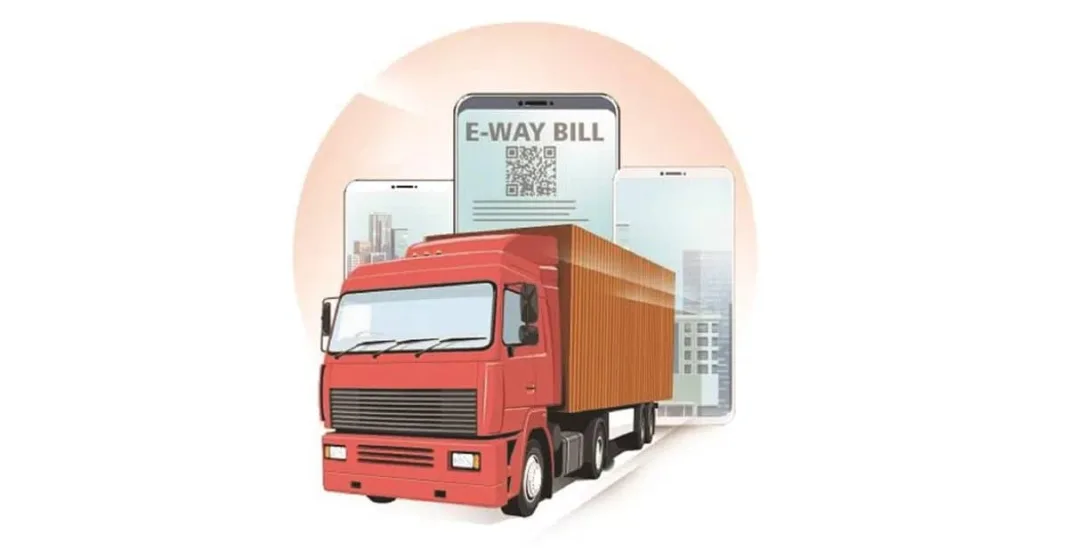

Eway bill generation rose 7.7 per cent year-on-year (Y-o-Y) to 139.08 million in August, the third-highest monthly count on record, signalling sustained momentum in goods movement and formal economic activity.
An eway bill is an electronically generated document required under the goods and services tax (GST) regime for movement of goods valued at more than ₹50,000, subject to specified conditions and exceptions.
The August figure was 9.95 million higher than the 129.13 million eway bills generated in August 2025. Sequentially, however, generation declined marginally by 0.51 per cent from 139.79 million in July, the second-highest monthly count on record.
Only March, with 140.60 million eway bills, and July have recorded higher monthly counts.
The sustained high level of eway bill generation assumes significance as the measure is considered an important indicator of economic activity, consumption and trade. A higher number of eway bills generally points to increased movement of goods and greater participation of businesses in the formal economy.
Saurabh Agarwal, tax partner at EY India, said the sustained rise in eway bill generation reflected continued growth momentum in India’s organised economy.
“The consistent upward trend is a strong signal of underlying economic resilience, driven by improved compliance, formalisation of business activity, and steady consumption demand across sectors,” Agarwal said.
He added that GST collections could receive a further boost as the country enters the festive season, which has historically been associated with higher consumer spending and business activity. “Building on this positive trajectory, it is reasonable to expect that collections in September are likely to be even more robust, as the country moves into the festive season.”
Harpreet Singh, partner at Deloitte, said the third-highest monthly eway bill count in August pointed to sustained momentum in goods movement and formal economic activity ahead of the festive season.
“With March and July also posting record highs, this trend suggests consumption and inter-state trade remaining resilient, which is likely to translate into strong GST collection numbers in the coming months,” Singh said.
Official data released last week showed private final consumption expenditure grew 7.1 per cent in the first quarter of FY27, supporting the broader picture of resilient domestic demand even as eway bill growth has cooled from last year’s pace.