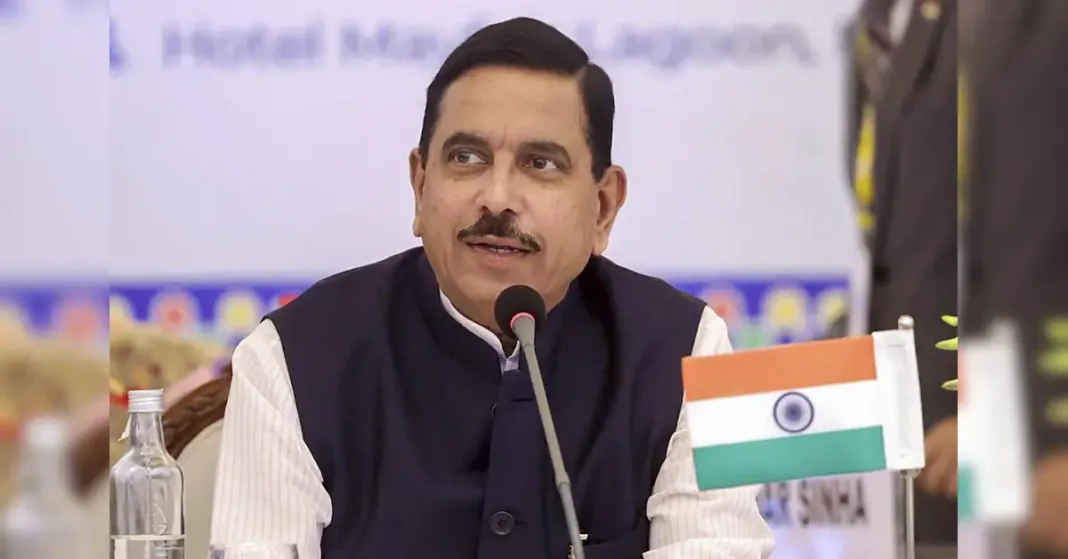

The 57th meeting of the Goods and Services Tax (GST) Council is scheduled to be held in New Delhi on September 12, while an officers’ meeting is scheduled for September 11, according to the official notice issued by the GST Council Secretariat.
Sources said the Council is likely to consider easing restrictions on input tax credit (ITC) blocked under Section 17(5) of the Central Goods and Services Tax (CGST) Act, which covers specified goods and services on which credit is currently not available.
The provision covers several categories, including motor vehicles and certain other conveyances, food and beverages, outdoor catering, beauty treatment, health services, club memberships and certain travel-related benefits, subject to specified exceptions. ITC is also restricted on goods and services used for construction of immovable property, subject to the conditions prescribed under the law.
Industry has argued that some of these restrictions can result in tax costs being embedded in business expenditure, particularly where the goods or services are used for business purposes. Any easing of Section 17(5) could therefore reduce such credit blockages and lower the working-capital burden on businesses.
The Council is also expected to examine the issue of refund of accumulated ITC under the inverted duty structure, where the tax rate on inputs is higher than the rate applicable to outward supplies. Another proposal concerns refund of unutilised inter-state transfer of unutilised ITC, sources said.
The measures, if approved, could provide relief to businesses facing accumulated tax credits and working-capital blockages under the GST regime, according to experts.
According to Vivek Jalan, partner with Tax Connect Advisory Services, key areas awaiting deliberation include legal and technology amendments and enhancements to safeguard bona fide recipients of input tax credit (ITC) when suppliers default — an issue underscored in the Maruti Enterprises ruling and affirmed by the Supreme Court in Bhandari Scrap Traders. Similarly, reforms in GST refunds under the inverted duty structure, particularly for input services, are vital to ease industry costs and benefit consumers.
“The Council is also expected to consider mechanisms for seamless transfer of ITC across states for multi-state taxpayers, and rationalisation of blocked credits on construction and works contracts, as highlighted in the Safari Retreats case. These reforms, once taken up, will further strengthen the GST regime, enhance fairness, and improve competitiveness — reflecting the government’s commitment to progressive and industry-friendly taxation,” said Jalan.