
Published on August 25, 2026 |

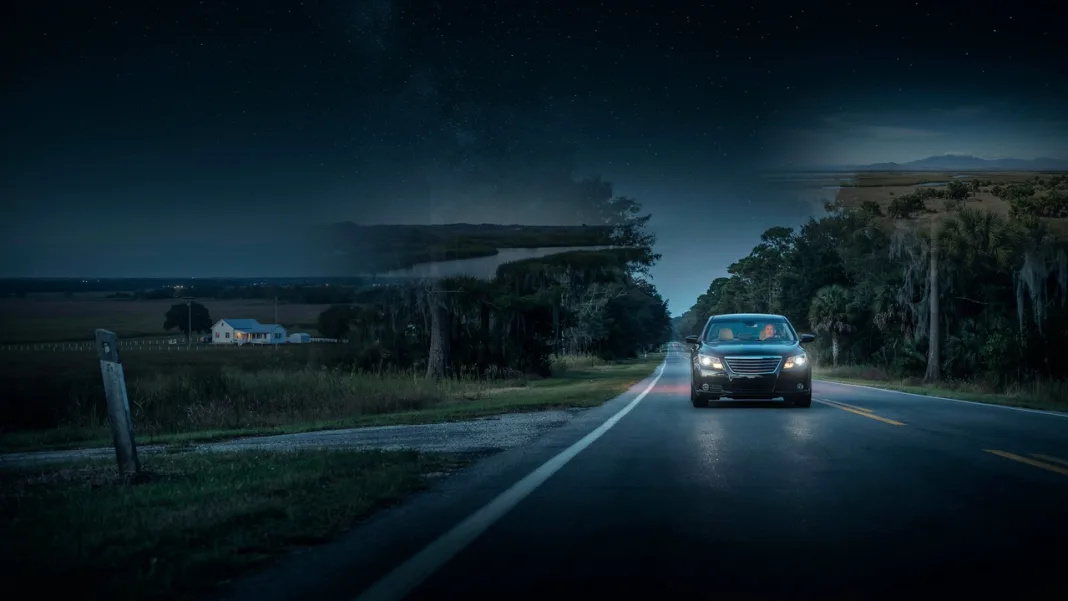
Image generated with Ai
Louisiana and more US states are becoming the most dangerous for night driving as Southern roads raise travel risk. Meanwhile, dark, unlit routes and poor visibility are putting motorists at greater risk.
Louisiana and more US states are emerging as some of America’s most dangerous places for night driving, as Southern roads raise travel risk. According to the August 2026 Overnight Glasses research, Louisiana records the highest share of fatal crashes occurring after dark.
Meanwhile, Mississippi, New Mexico and South Carolina also face serious risks, with many deadly crashes occurring on completely unlit roads. For travel and tourism, the warning is hard to ignore. Road trips remain a major part of US travel, yet poor lighting, limited visibility and driver-related factors can make journeys after sunset far more dangerous. Therefore, travellers should plan accordingly.
Louisiana tops America’s most dangerous states for night driving, while Southern roads expose travellers to dark, unlit routes and serious crash risks that could reshape safer travel planning.
Louisiana is America’s most dangerous state for night driving, according to an August 2026 report from Overnight Glasses. The findings put Southern roads firmly under the spotlight, as fatal crashes after dark remain a major travel risk across the US.
Louisiana records the highest share of fatal crashes occurring at night, while Mississippi, New Mexico and South Carolina also rank among the most dangerous states. Importantly, many crashes happen on completely unlit roads. For travel and tourism, the findings matter because road journeys remain central to holidays, regional tourism and domestic travel. Therefore, travellers should consider lighting, visibility, speed and route conditions before driving after dark.
Here’s a look at the 10 worst states for night driving in America:
| State | Nighttime Fatal Crashes per 100K | Fatal Crashes Occurring at Night | Drivers Aged 65+ | Residents With Vision Difficulty | Night-Vision Searches per 100K | Nighttime Crashes on Unlighted Roads |
| Louisiana | 49.5 | 57.80% | 25.9% | 3.60% | 177.0 | 62.90% |
| Mississippi | 57.3 | 50.30% | 25.7% | 4.30% | 168.4 | 70.40% |
| New Mexico | 52.5 | 55.90% | 24.0% | 3.70% | 224.6 | 62.50% |
| South Carolina | 51.3 | 57.70% | 24.5% | 2.90% | 193.3 | 75.30% |
| Delaware | 32.8 | 55.90% | 27.5% | 2.70% | 302.9 | 67.80% |
| West Virginia | 30.4 | 43.70% | 29.2% | 3.90% | 233.4 | 70.40% |
| Arkansas | 43.8 | 47.40% | 27.3% | 3.30% | 210.3 | 72.40% |
| Alabama | 43.8 | 51.50% | 24.4% | 3.30% | 193.4 | 65.40% |
| Oklahoma | 37.3 | 49.10% | 23.2% | 3.80% | 187.3 | 69.80% |
| Florida | 39.7 | 58.80% | 25.5% | 2.70% | 150.3 | 41.80% |
Night driving risk puts Louisiana at the top
Louisiana ranks first among the 50 states examined, with 57.8% of fatal crashes occurring at night. Its nighttime fatal-crash rate stands at 49.5 deaths per 100,000 residents.
Over the five-year study period, 2,289 people died in nighttime crashes in Louisiana. More than 62% of those crashes occurred on unlighted roads, creating a particularly difficult environment for motorists.
Advertisement
Advertisement
The report also notes that 25.9% of Louisiana’s drivers are aged 65 or over. Older motorists can face slower recovery from headlight glare, making visibility an important consideration for safer travel.
For tourism, this is significant. Louisiana is a major destination for road-based travel, with visitors frequently moving between cities, attractions and rural areas by car.
Mississippi combines poor lighting with vision concerns
Mississippi ranks second, recording 50.3% of fatal crashes at night and 57.3 nighttime fatalities per 100,000 residents.
Around 70.4% of nighttime fatal crashes occur on unlighted roads. The state also records the highest proportion of residents reporting vision difficulty in the study, at 4.3%.
That combination creates a clear road-safety concern. Poor visibility can make pedestrians, cyclists, animals, roadside hazards and slower vehicles harder to identify.
For travellers unfamiliar with rural Mississippi roads, avoiding unnecessary late-night driving can therefore reduce exposure to these conditions.
New Mexico and South Carolina face severe after-dark risks
New Mexico ranks third, with 55.9% of fatal crashes occurring at night and 52.5 nighttime fatalities per 100,000 residents.
The state also records the highest rate of online searches related to night vision, at 224.6 searches per 100,000 residents. More than 62% of nighttime crashes happen on unlighted roads.
South Carolina ranks fourth. Its 57.7% nighttime fatal-crash share is among the highest in America. Even more strikingly, 75.3% of nighttime crashes occur on unlighted roads.
That matters for tourism because South Carolina attracts significant leisure travel, including coastal holidays and road trips. Travellers moving between destinations after sunset may encounter stretches where artificial lighting is limited or absent.
Older drivers add another layer of risk
Delaware completes the top five, with 55.9% of fatal crashes occurring at night. The state also has one of the oldest driving populations in the ranking, with 27.5% of drivers aged 65 or older.
West Virginia ranks sixth and has the highest share of drivers aged 65 or over among the states listed, at 29.2%. Around 70.4% of its nighttime crashes occur on unlighted roads.
Arkansas, Alabama, Oklahoma and Florida complete the top 10.
The findings do not mean motorists should avoid these states. Instead, they highlight conditions that can affect safer travel, particularly when visitors drive unfamiliar roads after dark.
What travellers should take from the findings
The advice from Gidon Sadovsky, CEO of Overnight Glasses, focuses on glare recovery and following distance. Older eyes can reportedly take considerably longer to recover after exposure to bright headlights.
For travel and tourism, practical precautions are straightforward: slow down when visibility deteriorates, leave greater gaps between vehicles, use properly adjusted headlights, avoid unnecessary night journeys and check routes before departure.
The wider lesson is equally important. Tourism depends heavily on safe mobility, whether visitors are taking a road trip, hiring a car at an airport or travelling between attractions. Nighttime road conditions should therefore be treated as part of travel planning, not an afterthought.
The cause is a combination of darkness, inadequate road lighting, visibility problems and driver-related factors. The answer is not to stop travel, but to plan journeys more carefully and avoid unnecessary driving after dark. The reason is simple: unfamiliar roads become harder to read when lighting is poor, while glare and limited visibility can reduce reaction time. Louisiana’s position at the top of the ranking shows how serious the problem can become. For tourism, travellers should check routes, allow extra time, maintain safe following distances and reconsider late-night journeys. These measures can make road travel safer without limiting access to destinations, attractions or regional tourism.
The cause is clear: darkness, inadequate street lighting, poor visibility and driver-related factors combine to raise the danger of night driving. Louisiana stands out because more than half of its fatal crashes happen after dark, while several other Southern states also record worrying figures. The answer is smarter travel planning, not avoiding these destinations altogether. Travellers should check routes before departure, reduce speed, maintain greater following distances and avoid unnecessary late-night journeys on unfamiliar roads. The reason is straightforward: unlit roads leave motorists with less time to identify hazards and react safely. For tourism, better preparation can reduce risk significantly.
Advertisement
Advertisement