
New Delhi: India’s latest NFHS-6 survey has flagged a mixed but broadly encouraging public health picture, showing material progress in key health indicators over the past three years, even as it underlines the need for greater spending on holistic healthcare for children and mothers, noted a report by SBI.
The SBI Research report noted that India has moved faster in the latest survey cycle than in the earlier decade-long gaps between NFHS rounds, allowing a clearer view of gains in maternal health, vaccination, and fertility transition. “The gap has been reduced to a fixed 3-year interval under the current Government to have a better tracking of indicators,” the report said.
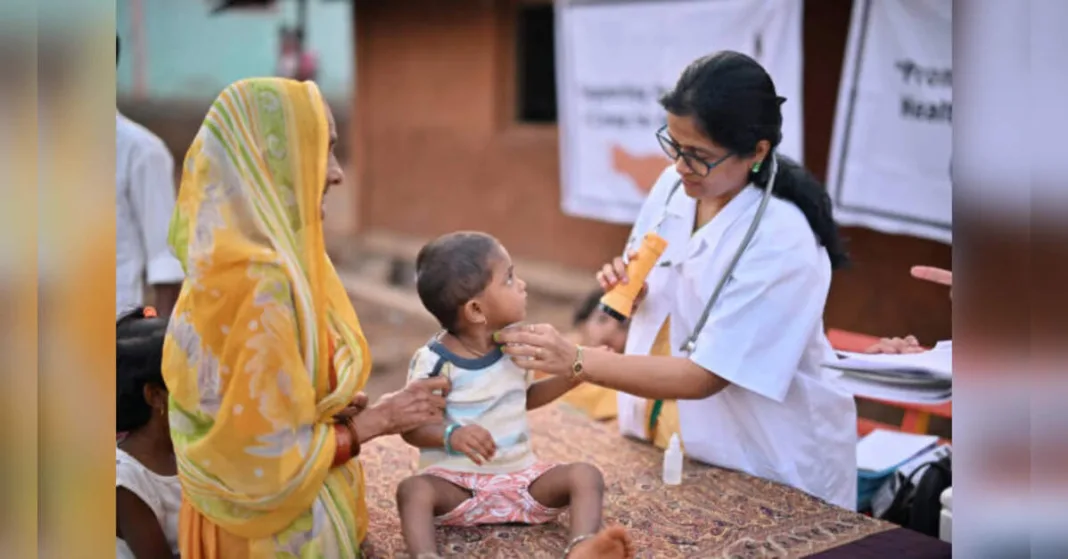
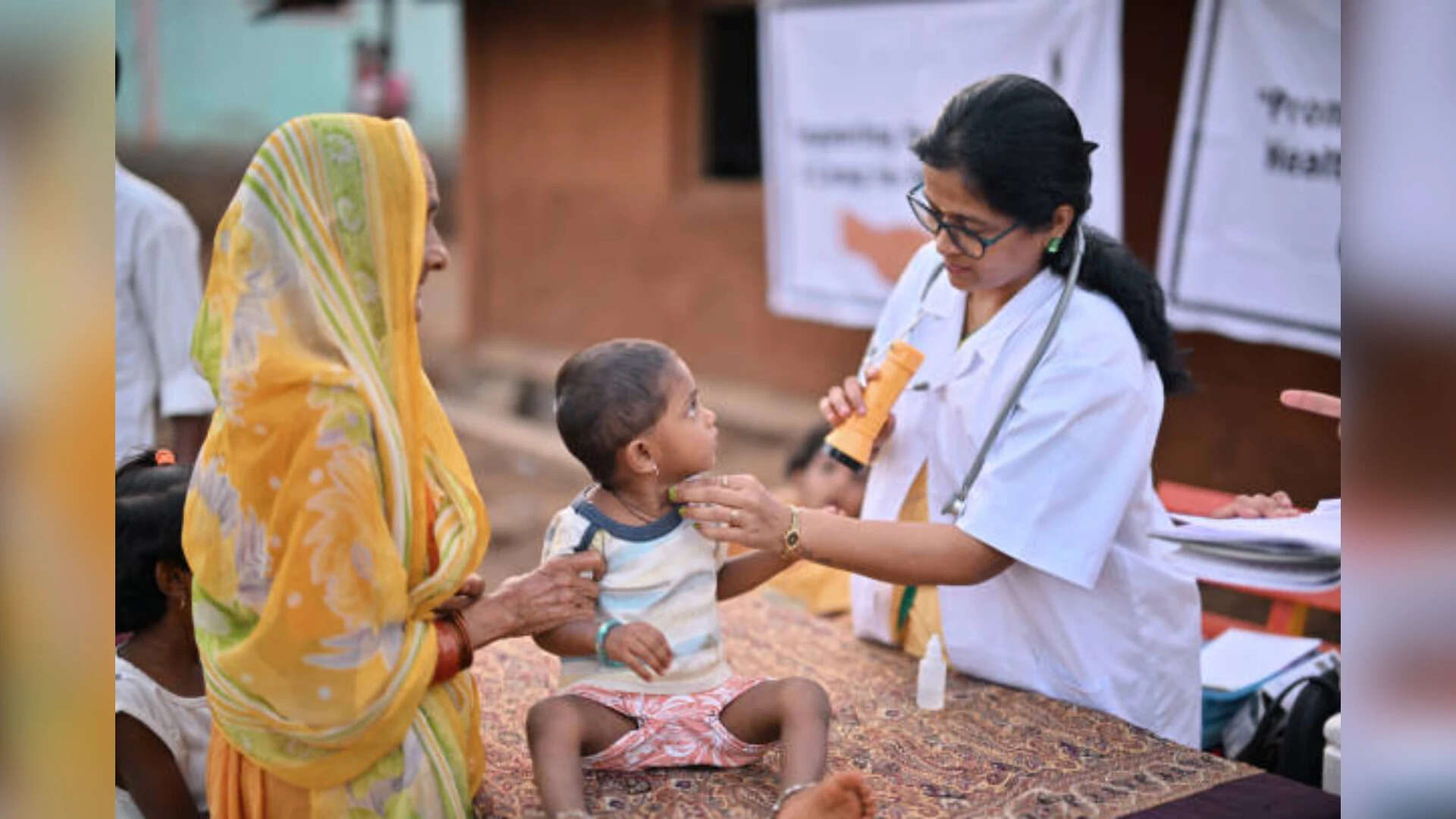
On child health, the biggest achievement has been in stunting. “The area where India made remarkable progress is the share of stunted children,” SBI Research said, adding that the proportion of stunted children under five fell to 29.3% in 2023-24 from 35.5% in 2019-21. The report also pointed to a sharper vaccination gain, with 82.6% of children aged 12-23 months now fully vaccinated, up from 76.6% in NFHS-5.
However, the report said the improvement in underweight and wasting has been modest, suggesting that nutrition outcomes cannot be addressed through narrow interventions alone. It argued for a “holistic approach” involving public-private-community partnerships and stronger support systems to improve awareness, supervision and delivery. The study also observed that states with higher medical and health expenditure tended to see larger reductions in underweight and stunting, even though the estimated coefficients were not statistically significant.
Among women, the survey shows a strong rise in access to maternal healthcare. Institutional births are now near universal at 90.6%, while the share of mothers with four or more antenatal care visits has climbed to 65.2%. At the same time, the report highlighted a worrying rise in obesity among women, which increased to 30.7% in 2023-24 from 24.0% in NFHS-5.
Fertility trends suggest India’s demographic transition is largely mature, with the total fertility rate steady at 2.0, while contraceptive prevalence has improved to 69.1%. Women’s financial inclusion has also strengthened sharply, with 89.0% now using their own bank or savings account, up from 78.6% in NFHS-5.
The report said that India’s health gains are real, but future progress will depend on spending more on integrated care for children and mothers, especially as the country faces the dual challenge of persistent undernutrition and rising non-communicable disease risk.