


Published on
March 26, 2026

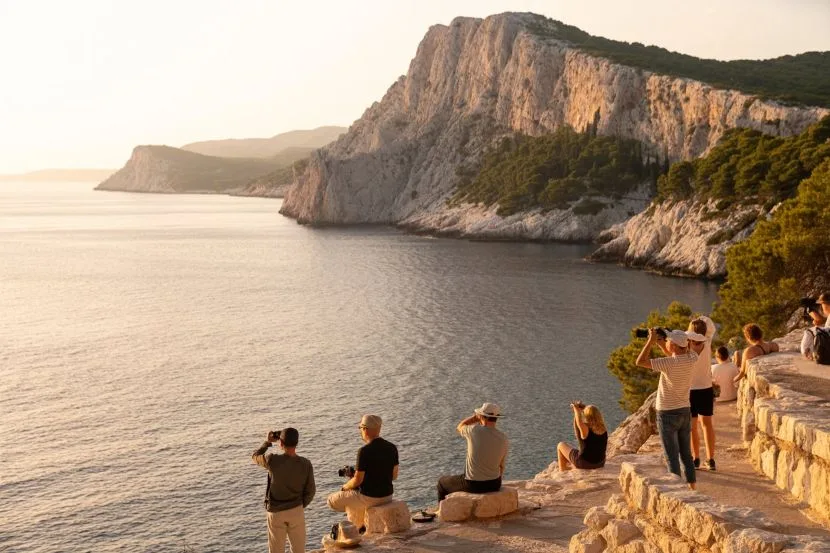
Image generated with Ai
Croatia’s tourism industry is showing a strong start in 2026 despite global challenges. The country’s tourism sector continues to show resilience thanks to a growing number of domestic travellers and solid international arrivals, particularly from key European markets. As global uncertainties such as geopolitical tensions and rising travel costs continue to affect tourism patterns, Croatia’s ability to adapt has positioned it as a top destination in Europe for both locals and international visitors.
Official statistics reveal that tourism activity in Croatia has remained robust, with significant contributions from both domestic and international sources. According to the latest data from the Croatian Bureau of Statistics, the country recorded an increase in both arrivals and overnight stays in January 2026, showing a promising outlook for the year ahead. This growth, particularly from local travellers, reflects the shift towards domestic tourism in response to global instability.
The Croatian government continues to prioritise tourism as a key economic driver, with both local and foreign investments bolstering the sector. While foreign tourism remains vital, particularly from Germany, Austria, and Slovenia, domestic tourism has grown substantially. Domestic travellers accounted for a notable portion of the increase in bookings, with more Croatians opting to explore their own country. This trend highlights Croatia’s ability to tap into its own population for tourism sustainability.
Tourism officials have acknowledged the shifting dynamics of travel behaviour, with many international visitors opting for last-minute bookings due to the ongoing uncertainty caused by global geopolitical situations. As tensions rise in the Middle East, Europeans are increasingly favouring nearby destinations like Croatia, where safety and affordability offer a welcoming alternative to distant long-haul travel. This trend has also been reflected in the behaviour of airlines, which are adjusting their operations to cater to shorter booking windows.
Advertisement
Advertisement
Moreover, Croatia’s diverse offerings in both nature and culture continue to attract visitors. The country’s picturesque coastline, historical cities, and scenic countryside are increasingly viewed as safe and desirable destinations within Europe. The government’s efforts to position Croatia as a year-round destination, with an emphasis on sustainable tourism, are paying off. Recent initiatives aimed at enhancing infrastructure, service quality, and environmental sustainability are strengthening Croatia’s appeal to tourists.
The Croatian National Tourist Board (HTZ) continues its strategic marketing efforts to target both local and international tourists, with a focus on showcasing the country’s cultural heritage and natural beauty. The national tourism body has been working closely with travel agencies and local governments to ensure that Croatia remains competitive in the European market. Targeted promotional campaigns and digital marketing strategies are helping to maintain a steady flow of visitors from abroad.
Advertisement
Advertisement
The steady influx of tourists has provided a much-needed boost to Croatia’s hospitality industry, which has also seen an uptick in hotel bookings. Although bookings in some regions are showing seasonal fluctuations, the overall picture remains positive, with many regions reporting strong bookings for summer months. Popular tourist spots such as Dubrovnik, Split, and Zagreb continue to be high on travellers’ lists. Local businesses are also benefitting from the rise in domestic tourism, with restaurants, tour operators, and transport services all seeing positive trends.
However, Croatian officials remain aware of the challenges the sector faces in 2026, particularly with the unpredictable nature of global travel. The rise in travel costs, including fuel and airline prices, is still a concern, especially as it could influence the number of long-haul visitors. Geopolitical concerns, particularly regarding airspace safety and the political climate, have led to increased caution among tourists booking international trips. Still, Croatia’s proximity to major European markets and its stable reputation continue to mitigate these concerns.
Advertisement
Advertisement
The Croatian government has responded to these challenges by increasing investments in tourism infrastructure and improving the country’s digital tourism capabilities. These efforts are intended to streamline the visitor experience and offer more sustainable options for those choosing to explore the country. Local communities, especially those in lesser-known destinations, are also benefiting from initiatives that aim to spread tourism across the country, thus reducing pressure on popular areas while boosting the local economy.
Croatia’s tourism sector in 2026 is proving its resilience despite external pressures. With an increase in domestic travel, steady international arrivals, and strong governmental support, the industry continues to flourish. As Croatia adapts to evolving travel patterns and global challenges, it remains a prime European destination for those seeking both safety and adventure. Croatia’s tourism sector’s ability to bounce back speaks to the nation’s enduring appeal and the effectiveness of its policies in sustaining growth in the face of adversity.
Advertisement
Advertisement