
Published on
March 21, 2026

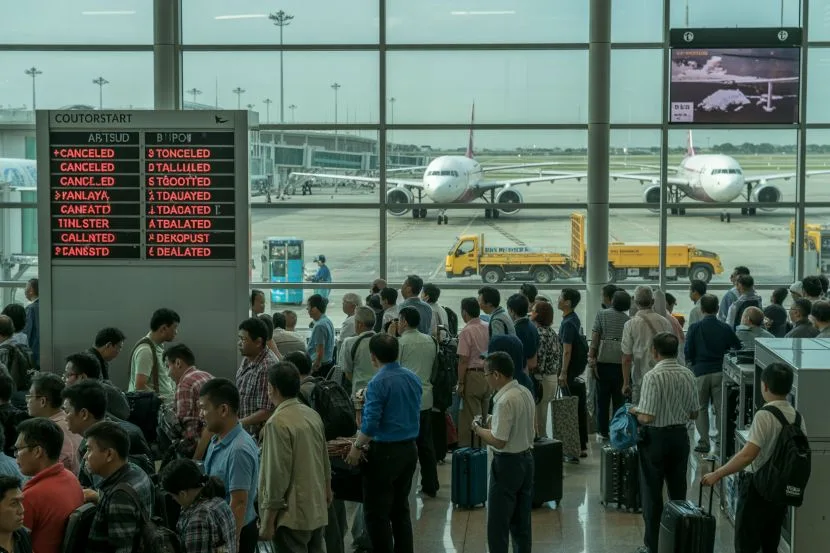
Image generated with Ai
The global oil crisis triggered by the escalating conflict in the Middle East is beginning to show its first major signs in Asia, with jet fuel prices reaching unprecedented levels. Countries such as Vietnam, Thailand, and South Korea are feeling the strain, facing canceled flights, limited fuel supplies, and growing tensions within their air transport systems. The ripple effects of this crisis are expected to continue to disrupt international travel as fuel shortages create a new set of challenges for both airlines and tourists. As regional energy suppliers, including China and South Korea, scale back their exports, nations dependent on oil imports are racing to secure enough fuel, with consequences that could extend well beyond aviation.
The Cause Behind Asia’s Fuel Shortage: Middle East Conflict
The root of the crisis is tied to the ongoing war in the Middle East, particularly the disruption of oil supplies via the Strait of Hormuz, a crucial shipping route where a significant portion of the world’s oil passes. With tensions rising between the United States and Iran, the impact on global energy markets has been immediate and severe. Approximately 20% of the world’s oil flows through this strategic chokepoint, and with it being temporarily shut down due to the conflict, Asia, heavily reliant on this supply, faces severe disruptions.
Vietnam, Bangladesh, and the Philippines are among the countries that have had to implement drastic measures to cope with the fuel crisis. In some cases, this has meant rationing fuel, limiting working hours, and even shutting down certain activities. As the crisis deepens, gasoline and diesel supplies in the region have dwindled, and jet fuel is the first refined product to be severely impacted, triggering a wave of flight cancellations.
Jet Fuel Prices Soar to Unprecedented Heights
The most significant effect of this crisis is the dramatic rise in jet fuel prices, which have more than doubled since the conflict escalated. The price of jet fuel surged past $200 per barrel, a sharp increase compared to the pre-war price, which was around $100 per barrel. This surge is putting immense pressure on airlines, particularly those in Asia, where fuel is in high demand and stockpiles are limited.
Advertisement
Advertisement
This rapid price hike is fueling disruptions across the region, with Air New Zealand canceling over 1,100 flights, while other airlines, especially those in Southeast Asia, face similar challenges. Vietnam Airlines and Thai Airways are both grappling with these rising costs, and passengers are finding themselves stranded as airline operators try to adjust their schedules amid fuel constraints.
The high price of jet fuel also presents a unique challenge for the aviation industry in Australia, which has seen a sharp rise in ticket prices. With airlines forced to pass on the cost of these increases to consumers, the cost of travel is set to rise for tourists in the region, especially those planning long-haul flights from countries like Thailand, Vietnam, and Australia.
Advertisement
Advertisement
The Domino Effect on Air Travel and Tourism in Asia
As more and more flights are canceled or delayed, tourists in affected countries are feeling the brunt of the crisis. The aviation industry, which was already struggling to recover from the COVID-19 pandemic, now faces the added burden of high fuel costs. Asia’s tourism-dependent economies, including Thailand and Vietnam, are particularly vulnerable, as air travel is a crucial component of their tourism sectors.
For travelers planning trips in the coming months, this fuel shortage is likely to result in higher ticket prices and fewer available flights. Vietnam’s tourism industry, for example, has already begun to feel the impact of the flight cancellations, with local businesses reporting a drop in international arrivals. The situation has led to uncertainty for travelers who are eager to explore the cultural and natural beauty of countries like Vietnam, Thailand, and Indonesia.
Advertisement
Advertisement
As for long-haul tourists, particularly those planning to visit Asia from Australia, Europe, or the United States, the increased cost of air tickets could potentially affect travel plans for 2026 and beyond. Aviation experts predict that the global tourism landscape could change significantly if the fuel shortages persist. Travelers may look for alternative means of travel, such as train journeys or cruise tourism, although these options may also see price hikes as the impact of the oil crisis ripples through other sectors.
Travel Tips for Navigating Asia During the Fuel Crisis
- Check Flight Status Regularly: Given the increasing likelihood of cancellations, it’s essential to monitor your flight status, especially if you’re traveling to or from countries like Vietnam or Thailand.
- Budget for Higher Airfares: As airlines are forced to adjust their pricing in response to rising fuel costs, tourists should expect to pay more for air travel in the coming months. Booking flights early may help reduce costs.
- Consider Alternative Destinations: If you are flexible with your travel plans, consider visiting countries in Asia that are less affected by the fuel crisis, such as Singapore or Malaysia, where airfares may remain more stable.
- Sustainable Travel Options: For eco-conscious travelers, now is an excellent time to consider more sustainable forms of transport like train travel within Asia or even regional cruises.
- Travel Insurance: Given the uncertainty around flight schedules, having travel insurance that covers trip cancellations or delays is crucial.
What’s Next for Asia’s Tourism Industry?
The fuel crisis in Asia presents a stark reminder of how global energy markets can dramatically affect tourism. As Middle Eastern oil supplies become increasingly uncertain, and Asia remains dependent on these imports, the aviation and travel sectors are facing a time of deep vulnerability. While countries like China and South Korea are seeking ways to minimize the disruption, the long-term impact on Asian tourism remains uncertain.
Countries with large tourist economies such as Vietnam, Thailand, and India will need to adapt quickly to the ongoing crisis, either by reducing energy consumption or seeking alternative fuel supplies. For travelers, this could mean higher costs, fewer available flights, and a shift in how travel is planned in 2026.
Asia’s tourism industry may well change in the wake of this crisis, and those who depend on travel for income — from tourism businesses to local vendors — will likely feel the economic strain. If the oil crisis persists or worsens, tourism could face more disruptions in 2026, making it more essential than ever to plan with flexibility and awareness.