
Published on
March 20, 2026

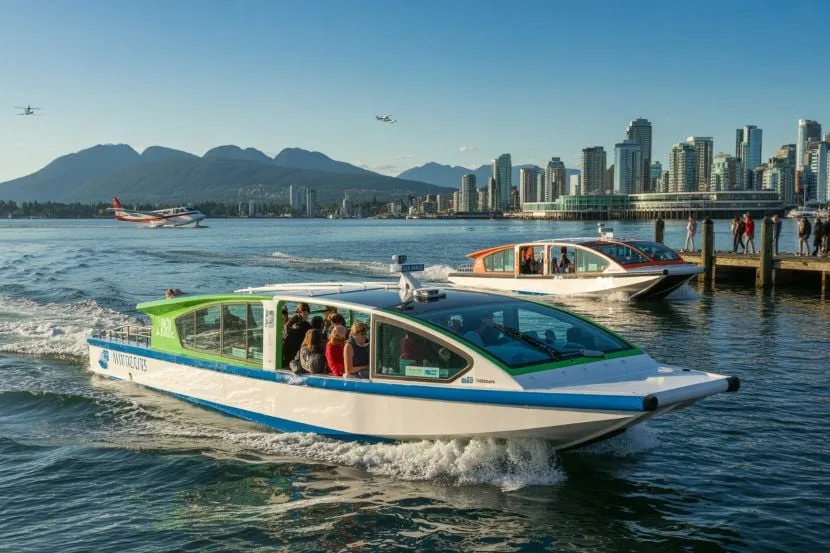
Image generated with Ai
The global water taxi market is witnessing substantial growth, particularly in tourism-driven urban areas like Vancouver. The market, which was valued at USD 241.23 billion in 2025, is set to surge to USD 315.31 billion by 2032, growing at a compound annual growth rate (CAGR) of 3.9 percent. This surge is largely attributed to the increasing demand for sustainable and efficient urban water transportation solutions, which are integral to tourism, leisure, and reducing urban congestion. As the world’s cities look for eco-friendly alternatives, water taxis are becoming a prominent part of the urban mobility landscape.
Tourism-Driven Growth and Expansion of Water Taxis
Vancouver is one of the key leaders in the water taxi market, benefiting from a robust port infrastructure and a regulatory framework that supports water taxi operations. With its prime location along the coastline and abundant waterways, the city has integrated water taxis into its urban mobility networks, making it easier for tourists and locals to move around. Major tourist destinations like Stanley Park and Granville Island are now more accessible through water taxis, enhancing the overall visitor experience. In fact, water taxis have become a popular mode of transport for both commuting and sightseeing, attracting more tourists seeking to explore Vancouver from the water.
The rise of water taxis aligns with the growing trend of sustainable tourism, where visitors are increasingly prioritising eco-friendly travel options. Cities like Vancouver are tapping into this trend by introducing electric and hydrogen-powered water taxis, ensuring that their fleets remain in line with global environmental standards. These low-emission boats are attracting tourists who want to reduce their carbon footprint while enjoying a leisurely ride through the city’s scenic waterfronts.
Technological Advancements Shaping the Market
The development of smart technology is playing a pivotal role in the growth of the water taxi market. Digital booking platforms, contactless boarding systems, and real-time tracking are becoming the norm, making water taxis more convenient and accessible for tourists. These innovations are not only improving customer experience but also helping operators better manage fleets, route optimisations, and scheduling.
Advertisement
Advertisement
In addition, Vancouver’s water taxis are increasingly being integrated into a multimodal transport system, where visitors can easily combine water travel with other forms of public transportation, such as buses or metro systems. The integration of different modes of transport makes it easier for tourists to navigate the city and explore popular destinations with ease.
Sustainability and the Future of Water Taxis in Tourism
Advertisement
Advertisement
As sustainable travel becomes a priority for the tourism industry, water taxis are expected to play an even greater role in urban mobility. Electric and hydrogen-powered boats are already gaining traction in regions like North America, Europe, and Asia-Pacific, where environmental regulations are becoming stricter. For example, Vancouver’s water taxis are embracing next-generation fuels and solar-powered boats to further reduce environmental impact.
The rise of sustainable water transport is also encouraging more cities around the world to adopt water taxis as part of their urban mobility solutions. Tourism hotspots like San Francisco, New York, and Vancouver are likely to see an increase in water taxi services over the coming years as tourism growth continues to drive demand for alternative and eco-friendly transport options.
Regional Growth in the Water Taxi Market
While North America, led by Vancouver, remains a dominant player in the water taxi market, other regions such as Asia-Pacific and Europe are also showing high growth potential. In Asia, countries like China, Vietnam, and Japan are embracing water taxis to cater to expanding tourist markets and government-backed maritime infrastructure projects. Similarly, cities in Europe are integrating recreational boating and seasonal tourism into their transport networks, further boosting the water taxi market.
As governments invest in maritime infrastructure to support tourism, water taxis are becoming an essential component of a region’s transport ecosystem, especially in places that are popular with tourists. With their ability to reduce road congestion and offer tourists a more scenic, eco-friendly travel experience, water taxis are set to transform urban mobility for years to come.
Opportunities and Challenges for the Future
The water taxi market holds significant growth potential, especially in tourist-heavy regions. However, the market is also highly competitive, with numerous small and medium-sized operators vying for a share. Financing models such as fleet leasing are helping new operators enter the market, making it easier for them to offer competitive services.
Despite the many opportunities, challenges remain in terms of regulatory standards, infrastructure development, and customer adoption. As cities continue to integrate water taxis into their transport networks, overcoming these challenges will be key to maintaining steady growth in the market.
Overview
The global water taxi market is growing at a rapid pace, driven by the increasing demand for sustainable, efficient, and tourism-integrated transport solutions. Vancouver, with its world-class waterfront and established water taxi services, remains at the forefront of this transformation. As the market continues to grow, water taxis are poised to become a crucial part of urban mobility, offering tourists a greener and more enjoyable way to explore some of the world’s most iconic waterfront destinations.