
Published on
March 20, 2026

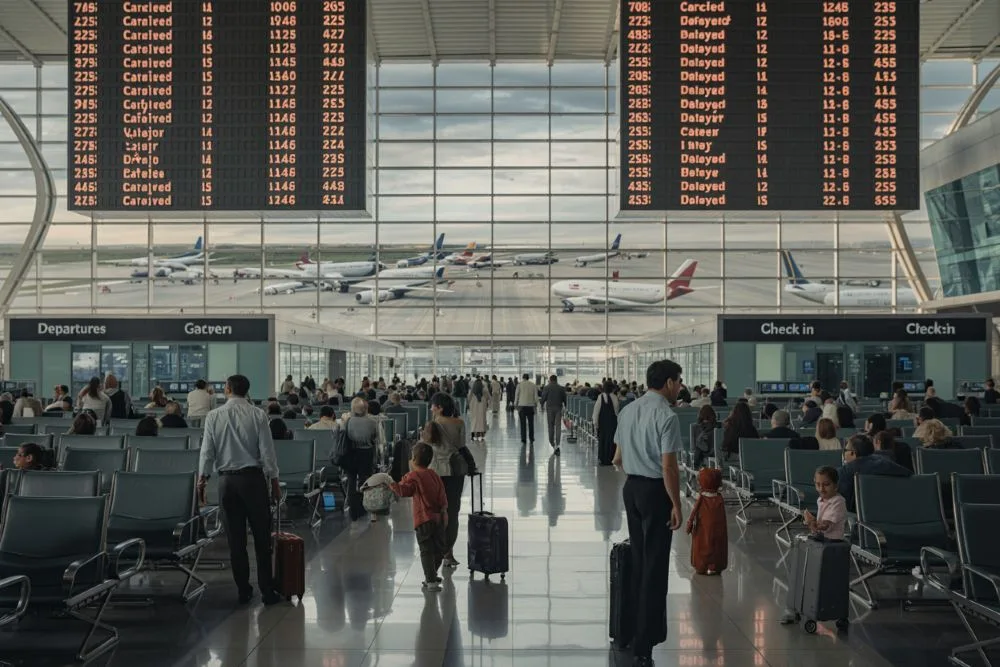
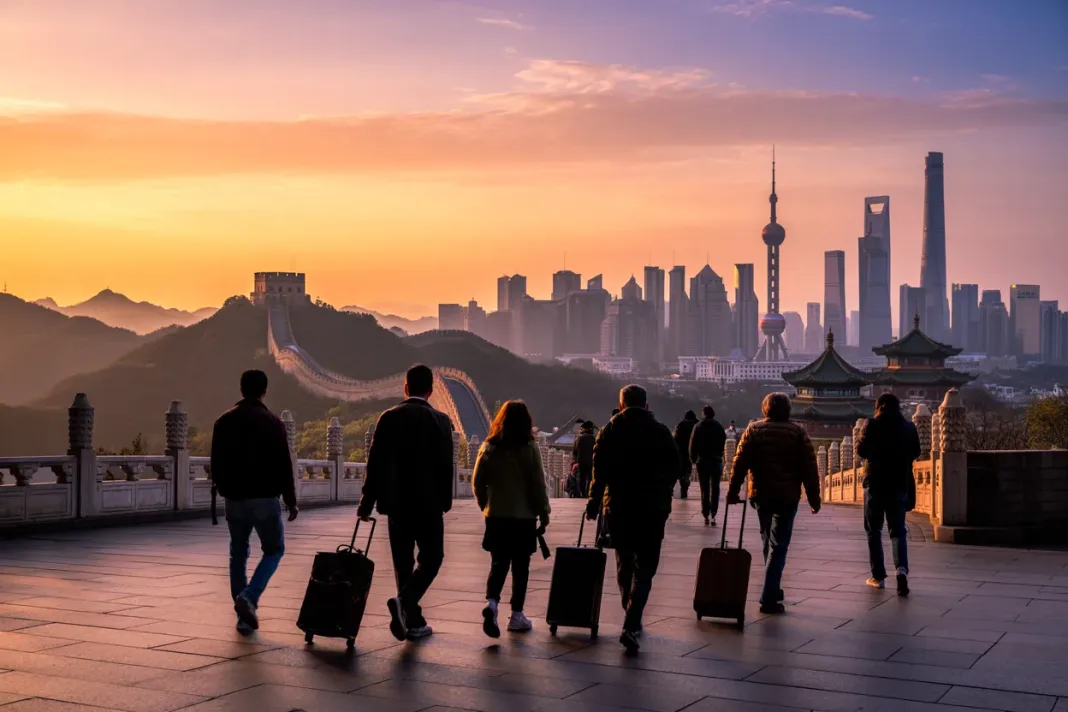
Image generated with Ai
As China’s new initiative to transform inbound tourism achieves tremendous traction in 2026, there is a noticeable change in the global travel scene. It is reported by the National Immigration Administration (NIA) that the previously restricted transit windows have been dramatically expanded, moving from the traditional 144 hours to a generous 240-hour visa-free transit policy. This strategic extension allows international travelers from 55 eligible countries—including the United States, Canada, the United Kingdom, and Australia—to remain in the country for up to 10 full days without the administrative burden of a standard visa application.
The initiative, spearheaded by the China National Tourist Office, is specifically designed to promote experiential, multi-city tourism by leveraging a vastly enlarged network of 65 eligible ports of entry. Unlike previous iterations of the policy that restricted movement to a single municipality, the 2026 framework permits seamless travel across 24 provincial-level regions. This unprecedented flexibility is intended to attract spontaneous and short-stay visitors who seek to combine high-speed rail journeys with diverse regional encounters, effectively transforming a simple layover into a comprehensive cultural odyssey.
Beyond the Great Wall: Why Multi-City Magic is Trending
The core objective of the new promotional push is to encourage visitors to venture far beyond the well-trodden paths of the Forbidden City or the Bund. International tourists are being urged to utilize their 10-day window to engage in immersive, cross-regional storytelling. For instance, a traveler entering through Shanghai is now empowered to explore the ancient water towns of Jiangsu and the tea plantations of Zhejiang within a single trip. Similarly, those arriving in Beijing are granted the freedom to traverse the entire Beijing-Tianjin-Hebei cluster, blending imperial history with ultra-modern urban innovation.
Several trending “micro-itineraries” have been highlighted by the tourist office to showcase this newfound freedom:
- The High-Speed Heritage Loop: Connecting the terracotta warriors of Xi’an with the futuristic skyline of Chongqing via the world’s most advanced rail network.
- The Southern Silk Road: Exploring the ethnic diversity of Guizhou and the tropical rainforests of Hainan, both of which are now fully accessible under the 240-hour rule.
- The Canal Culture Trail: Navigating the historic Grand Canal through Nanjing, Yangzhou, and Suzhou to experience the “Venice of the East” in depth.
By promoting these multi-city routes, the authorities aim to distribute the economic benefits of tourism more evenly across the nation, supporting local artisans and regional hospitality providers who were previously inaccessible to short-term transit guests.
Culture First: The Rise of Immersive and Seasonal Travel
A fundamental pillar of the 2026 campaign is the transition toward “Regenerative Travel,” where the focus is placed on depth of connection rather than surface-level display. Visitors are being invited to participate in hands-on heritage workshops, such as Hanfu styling sessions in Luoyang or Zen meditation retreats in the Wudang Mountains. It is observed that Chinese travelers and international guests alike are increasingly seeking “living traditions,” such as village stays in Anhui or attending the legendary ice festivals of the north during the winter months.
Advertisement
Advertisement
The China National Tourist Office has also aligned the 240-hour policy with the national “Culture Plus Tourism” strategy. This involves the integration of smart-tourism services, such as AI-driven itinerary planners that sync with the 12367 immigration hotline, ensuring that travelers remain within the permitted geographic zones while maximizing their cultural exposure. Seasonal events, including the Spring Festival and the Mid-Autumn Festival, are being marketed as prime windows for spontaneous trips, allowing visitors to witness the world’s largest cultural celebrations without the logistical hurdle of a pre-planned visa.
Frictionless Frontiers: How Technology is Removing Travel Barriers
To support the influx of spontaneous and short-stay visitors, a comprehensive overhaul of the arrival experience has been implemented. It is noted that foreign travelers can now complete their entry cards online via a dedicated mobile application up to 48 hours before arrival, significantly reducing wait times at major hubs like Guangzhou Baiyun and Chengdu Tianfu international airports. Furthermore, the wider acceptance of international credit cards on major e-payment platforms like WeChat Pay and Alipay has effectively eliminated the “digital wall” that once frustrated overseas guests.
Financial and logistical enhancements include:
- Digital Arrival Cards: Paperless entry and exit through 65 designated ports.
- Biometric Integration: Frictionless transit for frequent flyers and transit-without-visa (TWOV) eligible passengers.
- Multi-Lingual Support: The expansion of the National Immigration Administration’s 24-hour hotline to include Russian, Japanese, Korean, and French, in addition to English and Mandarin.
The overarching goal of these reforms is to reshape the global perception of China as a “closed” destination. By lowering the entry threshold and providing a high-tech, welcoming environment, the state is successfully repositioning itself as one of the world’s most accessible and flexible travel hubs. As the 2026 fiscal year progresses, the 240-hour visa-free policy is expected to serve as a vital engine for high-quality economic development, proving that in the new era of travel, time and flexibility are the ultimate luxuries.