


Published on
March 17, 2026

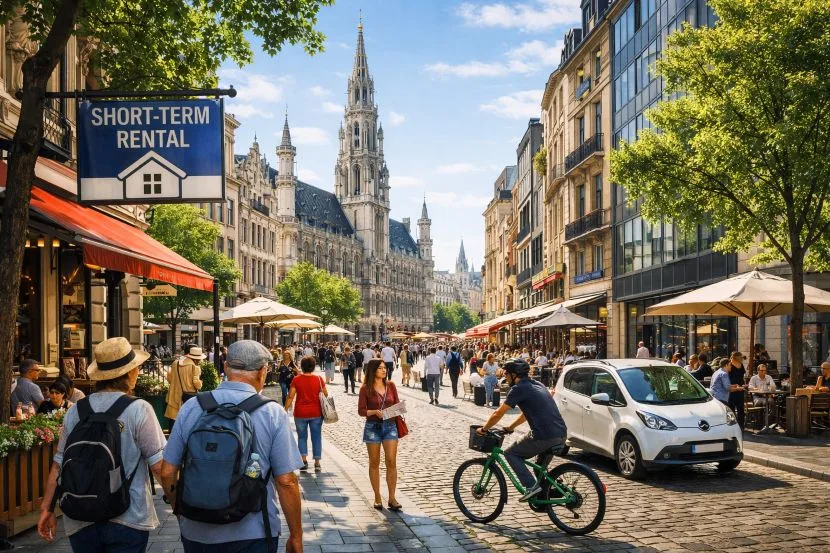
Image generated with Ai
As Europe continues to experience an unprecedented surge in tourism, its cities are faced with a growing dilemma: how to balance tourism growth with the increasing demand for affordable housing. Amidst record-breaking visitor numbers and growing urban populations, Europe’s major cities are grappling with the urgent question of maintaining their liveability and affordability while catering to tourists.
In 2025 alone, EU tourist accommodation recorded a staggering 3.1 billion overnight stays, according to Eurostat, marking an increase of 61.5 million nights compared to the previous year. As more people flock to Europe’s cities, the pressure on housing supply intensifies. Nearly three-quarters of Europeans now live in urban areas, and with population numbers expected to rise further, urban housing affordability has become a pressing concern.
The Housing Affordability Crisis: An Issue for All
Across Europe, the housing affordability crisis is no longer confined to low-income groups. Middle-income households—including police officers, teachers, and healthcare workers—are increasingly being priced out of the cities they serve. This housing crunch threatens the labour market and economic competitiveness, with workers unable to afford to live near their places of employment.
At the Future of Cities Forum in Brussels, experts pointed to several causes for this issue, such as decades of under-building, land scarcity, and financing challenges. Furthermore, the issuance of building permits has fallen by around 21%, contributing to a housing supply lag that cannot meet the ever-growing demand in urban centres.
What Is Causing the Housing Shortage in Europe’s Cities?
While the demand for housing skyrockets, urban development has failed to keep pace. Urban planners and policymakers discussed the underlying causes of this shortage, with many pointing to the limited availability of land, administrative barriers, and regulatory constraints as key obstacles to development. To address this issue, reducing red tape in both new construction and renovation processes will be essential, experts argue.
Moreover, the rise of short-term rentals—often facilitated by platforms like Airbnb—has exacerbated the housing crunch in popular tourist hotspots. When managed effectively, short-term rentals can help distribute tourism more evenly across neighborhoods and offer an additional source of income for local residents. However, if left unchecked, they can distort local housing markets, pushing out long-term residents.
Advertisement
Advertisement
Managing Visitor Flows: A New Approach to Sustainable Urban Tourism
Tourism management has emerged as a critical part of the conversation on urban growth. As tourism represents about 10% of the EU’s GDP, balancing it with housing needs is paramount for sustainable urban development. The question of how to manage visitor flows—without overwhelming infrastructure—was a central theme at the debate in Brussels.
Tourism is not just a matter of over-tourism but unbalanced tourism, where some neighborhoods experience surges of visitors, while others remain underexplored. Using data analytics, cities can better understand visitor patterns and manage the accommodation supply accordingly. This, in turn, could help distribute tourism more evenly, easing the pressure on popular tourist spots and improving the visitor experience.
Advertisement
Advertisement
Data-Driven Strategies: A Solution for Managing Urban Growth
As cities struggle to adapt to rapid urbanization and growing tourist numbers, data has become a crucial tool for policymakers and urban planners. With access to real-time data, authorities can gain insights into mobility trends, tourism flows, and housing patterns, allowing them to make more informed decisions about urban development.
By embracing data-sharing between public and private sectors, cities can create more efficient urban policies, ensuring that housing, tourism, and mobility are integrated into a coherent urban strategy. Transparent frameworks and cross-sector collaborations are essential for cities to function as interconnected systems, where the well-being of residents and tourists is balanced.
Tourism’s Role in Urban Resilience: How Can Cities Adapt?
As cities evolve, so must their approach to managing tourism and housing. Urban spaces must become more flexible to accommodate shifts in work, mobility, and tourism. The concept of flexible housing—including short-term rentals—is gaining traction as an essential component of urban resilience. These options offer the flexibility needed for workers, students, and travelers alike.
At the same time, the future of urban tourism must go hand-in-hand with efforts to improve infrastructure and public services. Cities must not only meet the growing demand for accommodation but also provide residents with the services and amenities that make their urban environment livable and affordable.
The Future of Cities Coalition: A Path to Better Urban Governance
To help solve these challenges, the Future of Cities Coalition has been launched—a pan-European initiative designed to foster cross-sector dialogue and promote coordinated urban planning. This coalition aims to bring together policymakers, urban planners, and industry stakeholders to develop more integrated solutions for urban growth.
The coalition’s focus on data-driven policies, collaboration, and innovative governance aims to help cities manage the pressures of tourism growth, population increase, and the demand for affordable housing. Through these efforts, European cities can evolve into sustainable, resilient, and welcoming urban spaces for both residents and visitors.
Taking a Holistic Approach to Urban Challenges
The debate in Brussels highlighted that urban growth cannot be tackled in isolation. Housing, tourism, and infrastructure are interconnected, and any strategy to manage them must reflect that reality. Only through coordinated urban policies that prioritize data transparency, inclusive housing strategies, and sustainable tourism management can Europe’s cities meet the challenges of the future while remaining affordable and livable for everyone.