
Published on
March 16, 2026

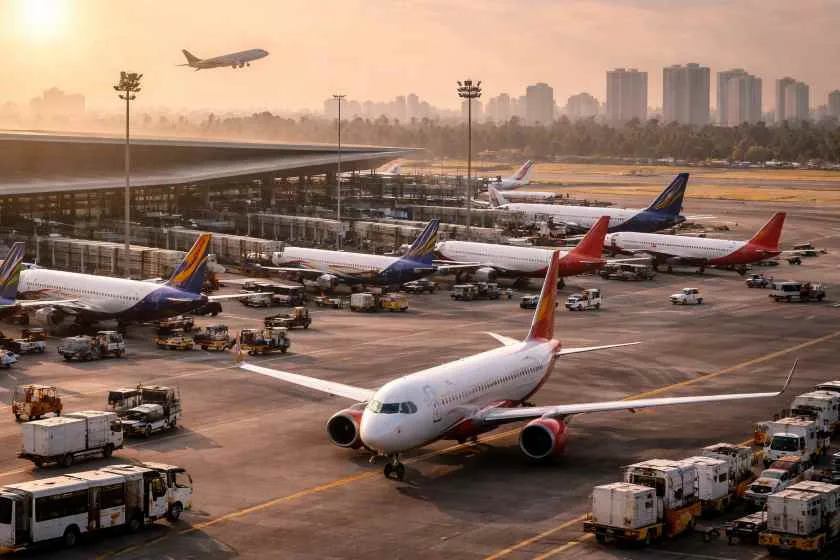
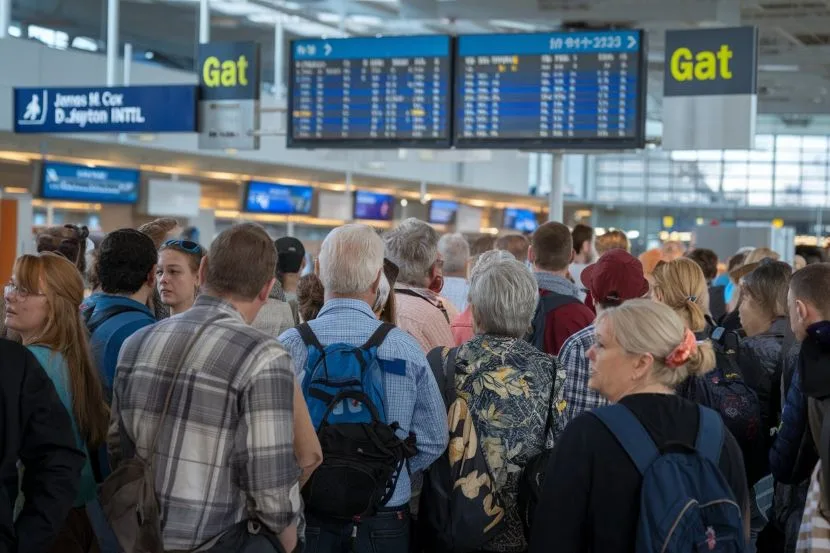
Image generated with Ai
The following research provides a comprehensive overview of recent flight cancellations across various U.S. airports, focusing on key carriers and their affected routes. These cancellations have disrupted numerous travelers, particularly at major hubs like Chicago O’Hare International (KORD), Dallas-Fort Worth International (KDFW), and Hartsfield-Jackson Atlanta International (KATL). The affected flights primarily involved regional aircraft such as the CRJ7 and CRJ9, impacting travelers on both short-haul and long-haul connections. Scheduled departures from these airports, including high-profile routes to destinations like Washington D.C. (KDCA) and Charlotte/Douglas (KCLT), were significantly delayed or canceled. This disruption has led to growing concerns among passengers about the reliability of flight operations, with passengers often facing delays during peak travel hours. This research aims to analyze the frequency, timing, and routes impacted by these cancellations to better understand their impact on the travel industry and passenger experience.
| Flight Number | Aircraft | Departure Airport | Scheduled Time (EDT/EST) |
|---|---|---|---|
| JIA5249 | CRJ7 | Chicago O’Hare Intl (KORD) | Mon 08:32 AM EDT |
| GJS4441 | CRJ7 | Chicago O’Hare Intl (KORD) | Sun 06:00 PM EDT |
| SKW4921 | CRJ7 | Chicago O’Hare Intl (KORD) | Sun 05:33 PM EDT |
| ENY4311 | E170 | Chicago O’Hare Intl (KORD) | Sun 04:17 PM EDT |
| GJS4173 | CRJ7 | Chicago O’Hare Intl (KORD) | Sun 02:07 PM EDT |
| JIA5233 | CRJ7 | Chicago O’Hare Intl (KORD) | Sun 12:41 PM EDT |
| GJS4453 | CRJ7 | Chicago O’Hare Intl (KORD) | Sun 10:50 AM EDT |
| JIA5108 | CRJ7 | Reagan National (KDCA) | Sat 10:18 AM EDT |
| JIA5249 | CRJ7 | Chicago O’Hare Intl (KORD) | Wed 08:32 AM EDT |
| SKW5829 | CRJ7 | Chicago O’Hare Intl (KORD) | Wed 07:14 AM EDT |
| JIA5065 | CRJ9 | Dallas-Fort Worth Intl (KDFW) | Sat 12:09 PM EST |
| DAL3108 | B712 | Hartsfield-Jackson Intl (KATL) | Sat 11:42 AM EST |
| GJS4453 | CRJ7 | Chicago O’Hare Intl (KORD) | Sat 10:50 AM EST |
| JIA5157 | CRJ9 | Dallas-Fort Worth Intl (KDFW) | Sat 07:07 AM EST |
| DAL3140 | B712 | Hartsfield-Jackson Intl (KATL) | Sat 06:00 AM EST |
| DAL3088 | B712 | Hartsfield-Jackson Intl (KATL) | Fri 06:44 PM EST |
| ENY4311 | E170 | Chicago O’Hare Intl (KORD) | Fri 04:18 PM EST |
| JIA5194 | CRJ7 | Chicago O’Hare Intl (KORD) | Fri 12:41 PM EST |
| GJS4453 | CRJ7 | Chicago O’Hare Intl (KORD) | Fri 10:50 AM EST |
| JIA5200 | CRJ7 | Chicago O’Hare Intl (KORD) | Fri 08:32 AM EST |
| JIA5515 | CRJ9 | Charlotte/Douglas Intl (KCLT) | Thu 07:30 PM EST |
| JIA5200 | CRJ7 | Chicago O’Hare Intl (KORD) | Thu 08:32 AM EST |
In total, dozens of flights have been canceled, including those flying out of Chicago O’Hare International (KORD), one of the busiest airports in the U.S. Notably, several regional routes, such as CRJ7 and CRJ9 aircraft, have been the most affected. This problem isn’t isolated to just Chicago O’Hare; other major travel hubs like Dallas-Fort Worth (KDFW), Hartsfield-Jackson Atlanta International (KATL), and Reagan National (KDCA) have also seen cancellations. These disruptions have left travelers with the difficult task of finding alternative routes, rescheduling their plans, or worse, missing out on their holiday experiences.
For many tourists, these cancellations are not just inconvenient but also costly. They lead to missed connections, lost hotel reservations, and the stress of rescheduling flights. Tourists visiting from international destinations or traveling to the U.S. for special events such as business conferences, festivals, and cultural celebrations are hit hardest. Airlines have been offering compensation, such as meal vouchers and accommodation, but the long-term impact on the tourism sector remains to be seen.
The United States government, through the Federal Aviation Administration (FAA), has been closely monitoring the situation. The FAA, which is responsible for ensuring the smooth operation of U.S. airspace, has issued advisories regarding the delays and cancellations. According to the FAA, weather-related issues, as well as staffing shortages at several airports, have contributed to these disruptions. As airlines struggle to manage the high volume of travelers, it is essential for tourists to stay informed and adjust their travel plans accordingly.
Advertisement
Advertisement
The delays and cancellations are not only impacting U.S. residents but international tourists arriving at these airports. Tourists flying in from destinations such as Europe, Asia, and South America are finding themselves stuck at major U.S. airports for hours, with little to no information about when their flights will resume. Some international visitors have even been forced to rebook flights to other nearby airports in an effort to reach their destinations.
Tourism boards across the U.S. are beginning to address the consequences of these flight disruptions. The U.S. Travel Association, which advocates for the growth of the travel industry, has acknowledged the strain these cancellations put on both travelers and local tourism economies. In addition to the travel chaos, these cancellations also impact the local economy, as fewer tourists are able to arrive at key tourist destinations like New York, Miami, and Las Vegas. The tourism sector has been one of the hardest-hit industries due to the pandemic, and these cancellations further delay recovery efforts.
Advertisement
Advertisement
Tourists are encouraged to check their flight statuses regularly and be proactive in contacting airlines for updated information. The U.S. Department of Transportation (DOT) has issued a statement encouraging airlines to keep passengers informed and to provide accommodations when necessary. However, with a high number of cancellations, it is proving difficult for airlines to meet these standards.
The cancellations are having a notable impact on holidaymakers and those attending key events like the New York Fashion Week, business expos in Las Vegas, and sporting events like NBA games. While airlines continue to navigate through the chaos, many of these passengers may end up losing valuable time or missing their long-awaited vacations. This puts even more pressure on tourism providers to step up their customer service efforts and ensure visitors still have a quality experience despite the setbacks.
Advertisement
Advertisement
For those considering a vacation in the U.S., it is highly recommended to plan well in advance and leave room for flexibility in case of sudden disruptions. Booking refundable tickets, considering alternate airports, and looking into travel insurance options are all strategies that can help mitigate the impact of these cancellations.
The tourism industry in the U.S. is looking toward the future with caution, hoping that these issues will resolve quickly. Airlines, airports, and local tourism boards are working to minimize disruptions and keep passengers informed. Despite these challenges, the spirit of travel remains strong as the world continues to recover from the pandemic.
As more tourists make their way to the U.S. for vacations and business trips, the hope is that the country’s airports can overcome these challenges. In the meantime, passengers must remain vigilant, prepared for delays, and willing to adapt their travel plans in order to make the most of their U.S. visit.
The U.S. airport cancellation saga serves as a stark reminder of the importance of resilience within the travel industry. As airlines continue to work toward recovery, it is essential for all parties, from travelers to government agencies, to remain agile and adaptable in the face of unexpected disruptions.
(Source: Flightaware)