
Published on
March 16, 2026

Image generated with Ai
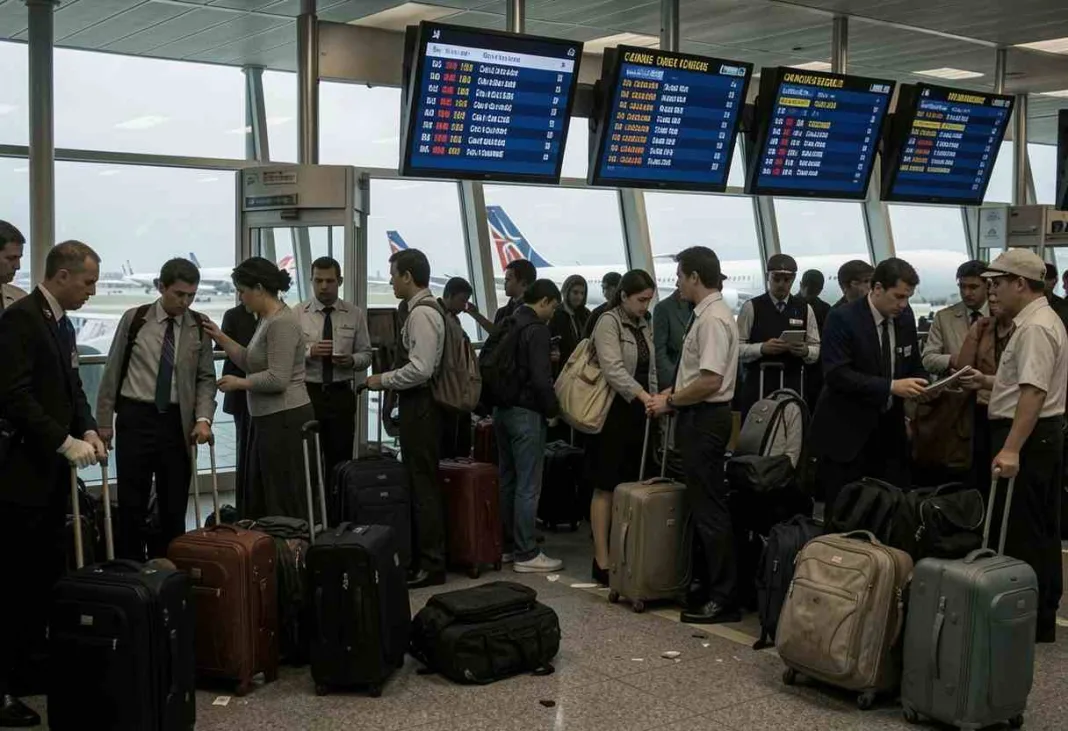
Travel disruptions have caused massive chaos across Australia and New Zealand this week, with 586 flight delays and 44 cancellations affecting key Oceania airports like Melbourne, Sydney, Auckland, and Christchurch. The ripple effect of these disruptions has left thousands of travelers stranded across Australia, New Zealand, and other major airports. Flight schedules for both domestic and international routes have been severely impacted, causing long delays and logistical issues for passengers.
The disruptions have caused significant travel headaches, particularly for those traveling between Australia and New Zealand, and for passengers with connections to North America, Asia, and Europe. Airlines such as Qantas, Virgin Australia, and Air New Zealand are working to accommodate delayed and rerouted travelers, but the backlog remains substantial. As the storm of delays continues to grow, passengers are being urged to stay updated on their flight statuses and check with airlines for possible rebooking options.
What Caused the Major Disruptions at Australia and New Zealand Airports?
Experts point to a combination of weather issues, operational challenges, and staffing shortages as the primary causes of the widespread disruptions at Oceania airports. Severe storms and unseasonal weather systems have created unpredictable flight patterns, particularly in Sydney, Melbourne, and Auckland, causing air traffic control delays and operational hiccups. Many passengers were caught in long queues as airport staff scrambled to handle the chaos. Furthermore, tight aircraft schedules and limited gate availability exacerbated the situation, leading to massive backlogs at departure terminals.
Jet fuel shortages and supply chain issues further strained operations, with airports unable to supply sufficient resources to keep up with demand during peak hours. The increased traffic in these regions, particularly due to the holiday season and tourist influx, only worsened the impact. These factors combined have left travelers scrambling for alternative routes, and regional flights were particularly vulnerable to the cascading disruptions.
How the U.S. and New Zealand Government Agencies Are Handling the Crisis
The Australian Government and the New Zealand Civil Aviation Authority have stepped in to manage the situation, issuing safety notices and advising airlines and passengers to exercise patience. Both governments have been in close contact with airlines, offering guidance and operational support. In response to the ongoing issues, the Federal Aviation Administration (FAA) in the U.S. has also been actively monitoring the disruptions, especially for flights connecting through Australian and New Zealand hubs.
According to Australia’s Department of Infrastructure and Transport, these delays and cancellations are largely due to weather conditions that have affected both airline schedules and the regional airports’ operational capacity. However, they emphasized that long-term solutions will involve increased investments in infrastructure to ensure smoother operations in the future.
Advertisement
Advertisement
Both countries have issued temporary waivers for affected passengers, allowing them to rebook flights without change fees, although passengers are still responsible for additional fare differences when necessary. For flight cancellations or significant delays, reimbursement policies are also being enforced by the affected airlines.
What Should Passengers Expect?
If you’re planning to travel in or out of Australia or New Zealand this week, there are several key things you should know. First, check your flight status frequently via the airline’s website or mobile app, as flight statuses are continually updated based on airport conditions. Travelers should also contact airlines directly to inquire about rebooking options and to confirm alternate flight routes in case their original flight is canceled.
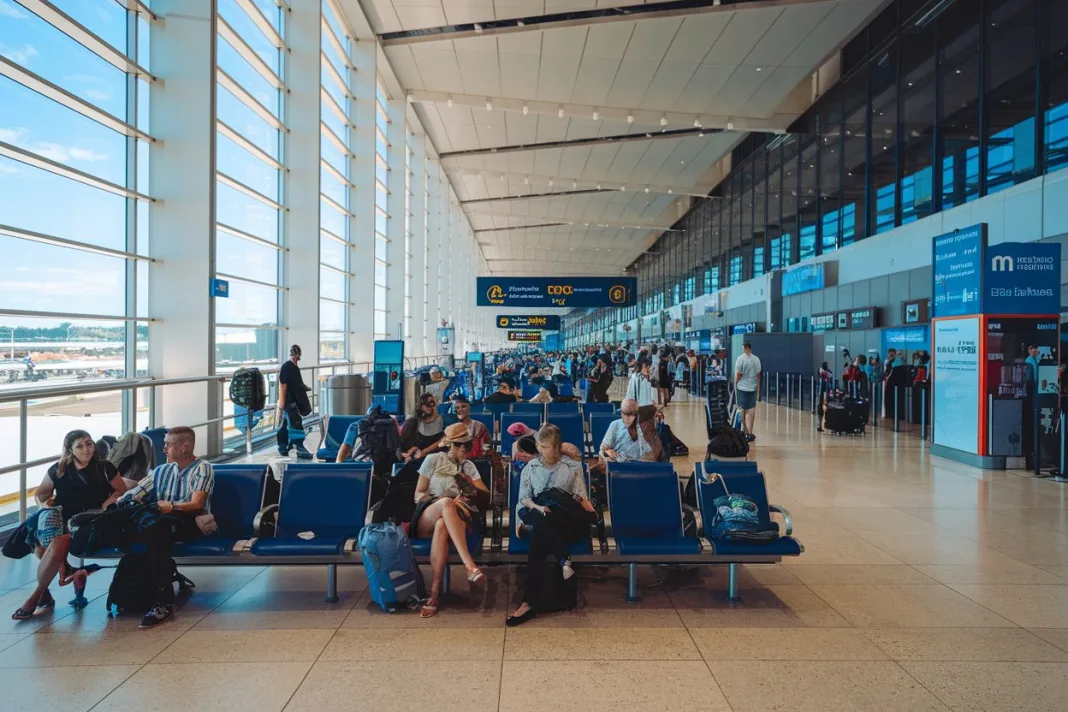
If you’re traveling internationally, make sure you have extra time for security screenings and customs processing, especially during peak hours when delays could be prolonged. Many airports in Sydney, Melbourne, and Auckland have reported long lines at security and check-in counters as they deal with the increased passenger volume and flight irregularities.
Travel insurance is highly recommended for those facing rebooking challenges or long delays, as it can help cover additional costs such as hotel stays, meals, and transportation. Make sure you also have important documents, such as your boarding passes, ID, and hotel reservations, in an easily accessible place, as you may need to show them to airline representatives for assistance.
Will the Disruptions Continue?
Given that many of the weather systems responsible for the disruptions are expected to persist for the next several days, travelers should anticipate continued delays, especially for flights to and from regional Australian hubs like Brisbane and Adelaide. The Oceania region remains under a series of weather warnings, with some areas facing more storms and heavy winds that may impact further air travel.
However, experts believe that after a few days of adjustments, operations will start returning to normal, and travelers will experience a smoother process once the weather systems pass. For now, travelers are advised to stay informed and check for updates regularly from both airlines and airport authorities to minimize delays.
Impact on Tourism and Business Travel
The ongoing disruptions are also impacting tourism and business travel. Major cities like Sydney, Auckland, and Melbourne typically attract thousands of business travelers and tourists from around the world, especially during peak seasons. With flights cancelled or delayed, many international visitors are struggling to reach their destinations or meetings on time, forcing businesses to adjust to new travel realities.
On the tourism front, the disruptions have caused many international travelers to rethink their travel plans and reconsider visiting affected cities, potentially causing a short-term decline in bookings for hotels, restaurants, and attractions. However, with the region’s long-standing appeal as a popular tourist destination, experts believe that travel demand will quickly rebound once the disruptions are resolved.
Conclusion: Tips for Handling Travel Disruptions in Australia and New Zealand
As the disruptions continue to impact air travel across Australia and New Zealand, passengers must remain patient and flexible. Checking flight statuses frequently, staying in contact with airlines for real-time updates, and being ready to adjust travel plans are key to navigating these challenging conditions. Travelers should also consider booking travel insurance to protect against unexpected delays and additional costs.
In the long run, both Australia and New Zealand are working toward solutions that will help improve airport operations and reduce the likelihood of similar disruptions in the future. Travelers are advised to stay informed and prepared as they navigate these challenges in the coming days.