Published on
March 15, 2026

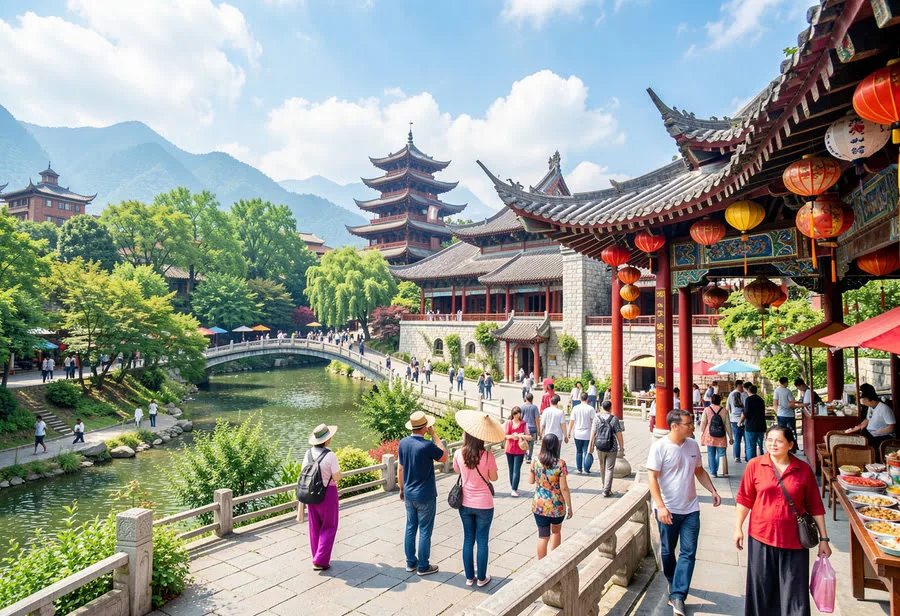
Image generated with Ai
Ethiopia is emerging as a key player in Africa’s rapidly growing hotel development sector, positioning itself at the forefront of East Africa’s hospitality boom. With nearly 80% of its planned hotel rooms under construction, the country is proving its ability to offer modern accommodations faster than many other markets across the continent. As one of Africa’s most dynamic hotel development markets, Ethiopia’s impressive momentum is fueled by a thriving tourism industry, a growing economy, and the country’s efforts to make itself an appealing destination for international visitors. With over 5,900 rooms already in the pipeline, Ethiopia is proving to be a formidable force in the tourism industry, with many of its hotels focusing on mid- to large-scale properties that cater to both regional and international tourists. The rapid pace of hotel construction sets Ethiopia apart from other African nations and signals exciting opportunities for travelers in East Africa.
Ethiopia’s Hotel Pipeline: A Key Development in East Africa
As of 2026, Ethiopia’s hotel development pipeline has reached an impressive 5,964 rooms spread across 34 hotels, ranking it fifth on the continent in terms of total room volume. The most remarkable aspect of this pipeline is that a staggering 79.9% of these rooms are already under construction, signaling a surge in hotel supply that will significantly impact the nation’s tourism sector. While the country has seen impressive hotel growth in recent years, the focus on construction in the short to medium term sets Ethiopia apart from other African countries. This rapid pace of development highlights Ethiopia’s ambition to establish itself as a key hospitality destination in East Africa, and it is likely to impact travel to the region.
The Rise of East Africa as a Tourism Hub
The surge in hotel construction across East Africa, particularly in Ethiopia and its neighboring countries Kenya and Tanzania, reflects a larger regional trend. Kenya and Tanzania are also experiencing similar levels of construction momentum, with almost 80% of their respective pipelines already under construction. This rapid development in East Africa signals the region’s growing importance as a global tourism hub. As these nations continue to build mid- to large-scale hotels, travelers will have access to a broader range of accommodation options across various price points.
Additionally, East Africa offers tourists access to some of the most stunning landscapes and diverse cultures in the world, from Ethiopia’s historic sites to Kenya’s world-renowned safaris and Tanzania’s breathtaking beaches and national parks. Ethiopia’s ongoing hotel development boom is undoubtedly tied to the rise of regional tourism, which draws travelers seeking both luxury and budget-friendly options in a rapidly modernizing market.
Advertisement
Advertisement
A Contrast with Other African Nations
While East Africa is on an upward trajectory, the development pace in other major African markets paints a stark contrast. Nigeria, for example, has a larger total hotel pipeline with 8,480 rooms, but only 39.2% of those rooms are under construction. Egypt, with a massive 45,984 rooms in its pipeline, has only 51.4% of its planned rooms actively under construction. This suggests that while the demand for hotel accommodations in these countries remains high, development may be lagging behind, allowing East African nations like Ethiopia to take a significant lead.
The relative speed at which Ethiopia is pushing forward with its hotel developments demonstrates a more focused approach to meeting the needs of the booming tourism sector in the region. It also indicates that Ethiopia is positioning itself to become a major competitor to countries with larger hotel pipelines, particularly as the nation seeks to expand its role on the global tourism map.
Advertisement
Advertisement
A Boost to Ethiopia’s Tourism and Hospitality Sector
Ethiopia’s rapid expansion in hotel infrastructure is more than just a reflection of the country’s economic growth – it’s a direct result of the nation’s efforts to boost tourism. In 2025, Ethiopia welcomed a surge in international visitors, particularly from the Middle East and Europe, eager to explore the country’s rich cultural heritage, natural beauty, and bustling cities. The expanding hotel inventory plays a critical role in accommodating this influx of travelers and ensuring that Ethiopia remains a competitive destination for tourists across the globe.
Ethiopia’s tourism sector benefits from its UNESCO World Heritage Sites, vibrant cities like Addis Ababa, and a robust cultural history. The growth in hotel infrastructure will further enable Ethiopia to offer world-class accommodations for international visitors seeking luxury, adventure, or cultural exploration. This is particularly important for travelers who are interested in staying in areas that provide easy access to Ethiopia’s top tourist destinations, such as Lalibela, Axum, and Simien Mountains National Park.
Advertisement
Advertisement
Regional and International Impact: A Game Changer for African Tourism
Ethiopia’s bold strides in hotel construction are contributing to a much-needed shift in African tourism. As one of the few African nations with a significant portion of its hotel pipeline already under construction, the country’s success is setting an example for other nations with stalled or delayed development projects. This accelerated momentum could become a model for other regions across Africa, demonstrating how hospitality infrastructure can be expanded to meet the growing demand for tourism.
The country’s expanding hotel supply will also bring about an increase in employment opportunities, not only within the hotel sector but also in related industries such as construction, retail, and transport. Local economies in cities and tourist destinations across Ethiopia stand to benefit as the influx of international visitors creates new economic opportunities, bringing much-needed revenue to the country.
For travelers, the rapid growth in Ethiopia’s hotel construction means more diverse accommodation options, from budget-friendly choices to upscale properties that provide world-class service and amenities. This creates a competitive environment that enhances the travel experience, offering more tailored experiences for a wide range of visitors.
Travelers’ Guide to Ethiopia’s Hotel Landscape
For those planning to visit Ethiopia, the growing number of hotels will create more convenient options, especially for those traveling to popular tourist destinations. Whether you’re visiting Addis Ababa for business or seeking adventure in the mountains, Ethiopia’s hotel infrastructure will provide a variety of accommodations suited to different budgets and travel preferences. Additionally, the construction of larger hotels in key tourist destinations, like Lalibela and Harar, will further enhance the country’s appeal to international tourists seeking both luxury and authentic cultural experiences.
As Ethiopia’s tourism sector continues to flourish, travelers will also benefit from the additional services that come with hotel growth, including improved transportation options, better tour services, and enhanced hospitality experiences. With the accelerated construction timeline, Ethiopia is well-positioned to emerge as one of East Africa’s premier destinations for both business and leisure travel.
Conclusion: A Bright Future for Ethiopia’s Tourism Industry
Ethiopia’s robust hotel development pipeline is transforming the country into a major player in East Africa’s tourism landscape. As one of the continent’s most dynamic hotel markets, Ethiopia’s commitment to delivering new accommodations at a fast pace reflects the country’s long-term vision to become a global tourism destination. With a pipeline that is nearly 80% under construction, Ethiopia is poised to capitalize on the rapidly growing demand for hotel rooms and tourism services, ensuring that visitors have a diverse range of accommodation options to choose from. Ethiopia’s hotel boom marks an exciting new chapter for East African tourism, and it’s clear that the country will continue to be an essential part of the region’s tourism infrastructure.