
Published on
March 13, 2026

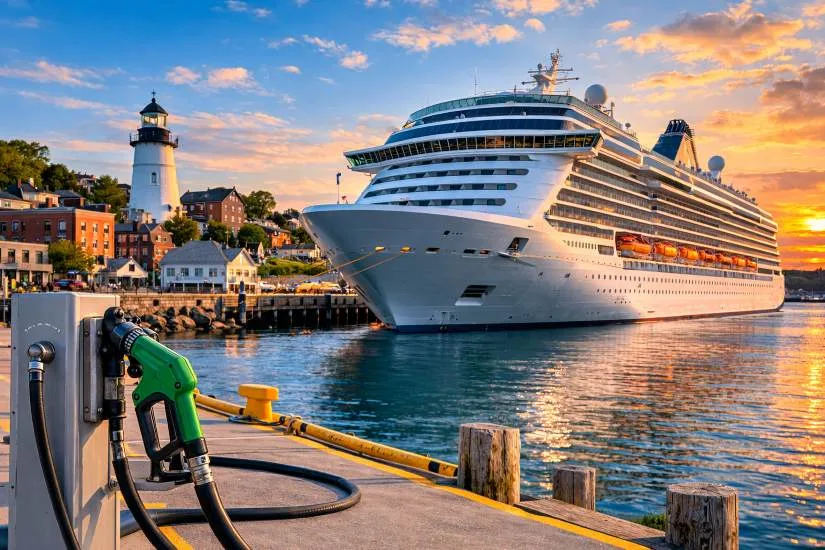
Image generated with Ai
Starting January 1, 2027, Portland, Maine, will raise its cruise ship tariff fees as part of an effort to both support the city’s cruise terminals and encourage the use of cleaner fuels. The updated fee structure, known as Tariff 11, will replace the current Tariff 10 and will include increases in both per-passenger fees and infrastructure fees. This change is designed to fund ongoing and future improvements to the city’s cruise terminals, as well as reduce the environmental impact of cruise ships operating in Casco Bay.
While the fee increases are intended to support the growing cruise industry, there’s also a strong focus on sustainability. Portland is actively encouraging cruise ships to use low-sulfur fuels, such as marine gas oil, while docked at the city’s terminals. To help make this shift more affordable, the city is offering a $2 per passenger discount for ships using low-sulfur fuels.
A Boost for Waterfront Improvements
As part of the changes, the per-passenger fee will rise by $6 over the next four years, reaching $24 per passenger by 2030. This increase is necessary to fund improvements at Portland’s two city-owned cruise terminals: the Portland Ocean Terminal at the Maine State Pier and the Ocean Gateway Terminal. The revenue generated will help ensure these facilities remain up to date and able to handle future growth in cruise traffic.
In addition, the existing $3 passenger infrastructure fee will also see an increase, eventually reaching $7 per passenger by 2030. These funds will be used to maintain and upgrade Portland’s working waterfront, which serves as a key entry point for tourists arriving by cruise ship.
Advertisement
Advertisement
Encouraging Cleaner Fuels with Incentives
A key component of Tariff 11 is its focus on environmental sustainability. In an effort to minimize the environmental impact of cruise ships, the city is offering financial incentives for vessels that use low-sulfur fuels, which produce fewer pollutants than the traditional heavy fuel oils. By using these cleaner fuels, cruise lines can help reduce harmful emissions, contributing to cleaner air and water in Casco Bay.
City Manager Danielle West highlighted the city’s commitment to environmental sustainability, stating, “We took seriously the feedback we received from the City Council’s Sustainability and Transportation Committee and the public, that it was important to find a way to encourage ships to use low-sulfur fuels while they’re at berth.” West added that the introduction of discounted rates is a significant step toward reducing Portland’s carbon footprint and supporting the transition to cleaner cruise operations.
Advertisement
Advertisement
Addressing Environmental Concerns in Casco Bay
The city’s efforts to incentivize the use of low-sulfur fuels are also aligned with ongoing discussions about the discharge of wash water from exhaust gas cleaning systems (EGCS) used by ships burning heavy fuel oils. These systems, while effective in cleaning exhaust gases, discharge polluted wash water into the bay, which has raised concerns among environmental advocates in Portland.
Regina Phillips, the District 3 City Councilor and Chair of the Sustainability and Transportation Committee, expressed her support for the changes, stating that the committee had been discussing methods to eliminate the discharge of wash water into Casco Bay. She also expressed gratitude for the addition of discounted rates, which she believed would encourage the use of cleaner fuels.
Advertisement
Advertisement
By introducing these incentives, Portland is taking important steps to balance the growth of its cruise industry with environmental responsibility, ensuring that the area’s natural beauty is preserved for generations to come.
Aiming for Long-Term Sustainability
Portland is positioning itself as a leader in sustainable cruise tourism, with a focus on supporting both the cruise industry and environmental preservation. The changes in Tariff 11 are designed to help maintain the city’s competitiveness as a cruise destination while also ensuring that the economic benefits of cruising are balanced with environmental stewardship.
The city’s actions are in line with broader efforts across the cruise industry to reduce emissions and minimize the environmental impact of tourism. With the $1.4 billion cruise industry continuing to grow, Portland’s focus on sustainability could serve as a model for other coastal cities facing similar challenges.
What’s Next for Portland’s Cruise Industry?
Looking ahead, Portland’s cruise industry will likely face some challenges as these new tariffs are implemented, but there are also exciting opportunities for growth. With the new fee structure in place, the city is making a long-term investment in its cruise infrastructure while incentivizing cleaner, more sustainable fuel use. This effort will help ensure Portland remains a top destination for cruise ships and a leader in sustainable cruise tourism.
Cruise passengers visiting Portland can look forward to seeing continued improvements at the waterfront terminals, along with the opportunity to travel in a more environmentally responsible way. As the cruise industry continues to evolve, Portland’s combination of sustainability and passenger experience enhancements could help the city maintain its competitive edge as a cruise hub.
For more information on the cruise port tariffs and sustainability initiatives, visit the City of Portland’s official website or contact the Portland Harbor Commission.