
Published on
March 10, 2026

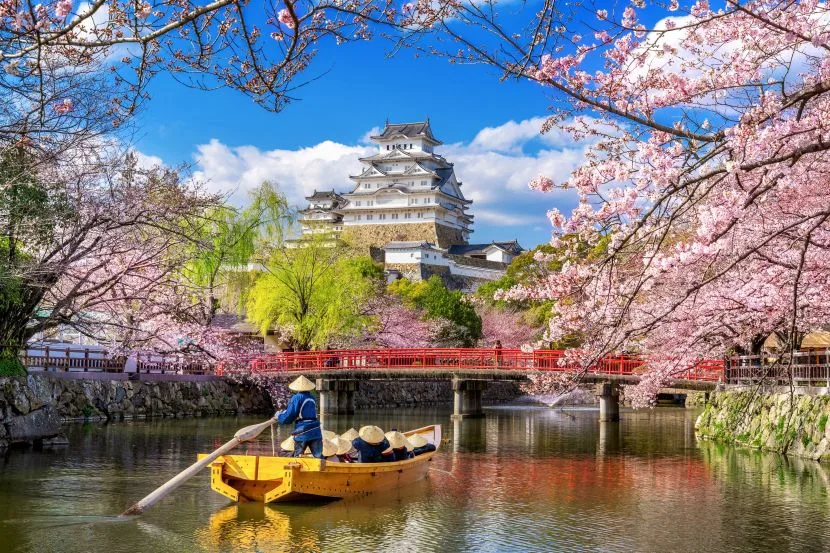
Image generated with Ai
Japan’s tourism recovery has been extraordinary. After travel restrictions were lifted, international arrivals increased at a brisk pace. Government statistics show that around 25.07 million overseas travellers came in 2023, which was about eighty percent of pre‑2019 levels and more than one hundred percent if China was excluded. In 2024 the Japan National Tourism Organization reported 36.87 million visitors, a 47 percent leap from the previous year and about 15.6 percent above 2019 levels.
Fiscal year 2025 saw a surge. The Ministry of Land, Infrastructure, Transport and Tourism recorded 42.68 million inbound visitors. Travellers were drawn by favourable exchange rates and the promise of cherry blossom season. The wave continued into early 2026, though January’s figure of 3.59 million was slightly lower due to a drop from China while South Korean and Taiwanese arrivals grew.
| Year | Visitors (millions) | Observations |
| 2023 | 25.07 | Recovery reached 79 % of pre‑2019 levels |
| 2024 | 36.87 | Highest monthly total of 3.49 million in December, full year exceeded 2019 |
| 2025 | 42.68 | Historic record, driven by currency and events |
| Jan 2026 | 3.59 | Preliminary count down 4.9 %, with strong Korean and Taiwanese growth |
Iconic cherry blossom spots
The surge in tourism was magnified by the magic of spring blossoms. Ueno Park in Tokyo turns into a sea of pink when more than one thousand trees bloom along the main avenue. The JNTO describes the event as one of the largest cherry blossom festivals in the country, drawing almost two million visitors; lanterns illuminate the avenue and parties spill into the night. Petals cascade onto picnickers and the mood is euphoric.
Nearby Inokashira Park offers a more intimate scene. Around 500 cherry trees frame a tranquil lake, and swan boats glide through drifting petals. Families and couples gather under the branches and the Ghibli Museum adds a whimsical element. Visitors were immersed in a dreamlike scene.
In Nara the slopes of Mt. Yoshino are said to be covered with about 30 000 cherry trees. Ropeways whisk pilgrims to shrines and temples, and the view is described as an ocean of flowers. Nearby, Kyoto’s Philosopher’s Path follows a canal lined with blossoms; strolling along this path inspires contemplation and romance.
Underrated blossoming havens
Beyond the famous parks, there are underrated locales where the blossoms were just as spectacular. Ichifusa Dam Lake in Kumamoto Prefecture is embraced by around 10 000 cherry trees. The petals drift on the reservoir and are illuminated at night; local snacks and nearby hot springs add warmth.
Advertisement
Advertisement
Further north, Ashino Park in Aomori is home to 1 500 cherry trees and 1 800 pines. Because the area is cooler, the Sakura Festival is held during Golden Week, allowing late‑season travellers to enjoy blossoms after they fade elsewhere. Rowboats and a suspension bridge add to the atmosphere.
The northernmost treasure is Matsumae Park. This park surrounds Hokkaido’s only castle and boasts around 10 000 cherry trees with 250 varieties. Different species bloom over several weeks, extending the viewing season. Visitors can explore historic temples and savour festival foods while enjoying views over the Tsugaru Strait.
Advertisement
Advertisement
Festive culture and emotions
Numbers alone cannot convey the mood. In Ueno Park, lanterns cast a soft glow, and laughter mingles with the scent of food. Inokashira Park offers a gentle calm where boaters float through falling petals. On Mt. Yoshino, the air is thick with incense and chanting pilgrims. At Ichifusa Dam Lake and Ashino Park, the community spirit is palpable as locals welcome visitors with dances and regional delicacies. In Matsumae, the contrast of sea air and floral fragrance heightens the sense of wonder.
Broader significance and outlook
Japan’s tourism surge has reinvigorated regional economies and underscored the need for sustainable management. Promoting lesser‑known spots eases pressure on crowded sites and supports local culture. Early 2026 numbers show that dependency on any single market can be risky, encouraging diversification. The spring rituals have revived traditions and deepened appreciation for heritage sites like Matsumae Castle and Mt. Yoshino. Visitors are urged to follow etiquette to preserve the sites.
As 2026 continues, festivals such as the Hirosaki Castle Cherry Blossom Festival and Gion Matsuri are expected to draw even more visitors. The combination of record tourism and sublime blossoms suggests that Japan’s springtime celebration will remain a beacon for travellers seeking beauty and culture. The story of Japan’s tourism renaissance was written under blossoms that captivate the world each spring