

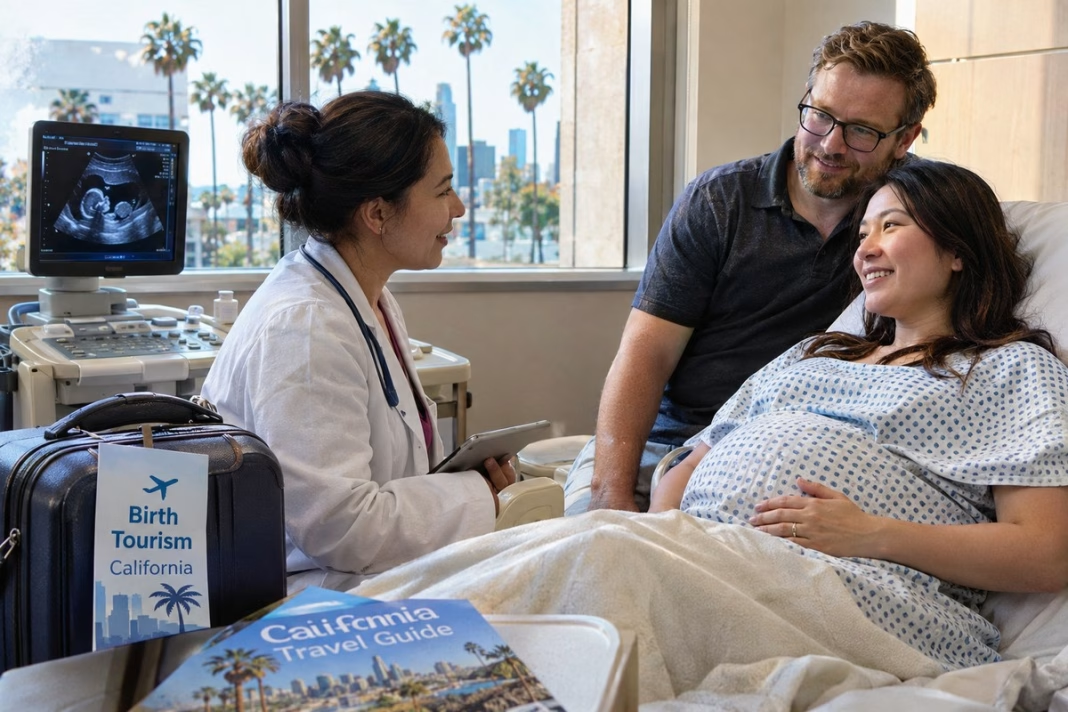


California’s birth tourism outlook is drawing renewed attention as changing parental demographics and regional differences in newborn health highlight important considerations for international families planning childbirth overseas. According to the 2026 March of Dimes report, California recorded a premature birth rate of 9.1%, below the United States average of 10.4%, reflecting comparatively favourable statewide outcomes.
Research by Birth Injury Lawyers Group reveals that California registered 59,936 births involving fathers aged 40 or older in 2024, the highest number nationwide. Older fathers represented 15.9% of births with recorded paternal age, exceeding the national share of 12.7%.
However, significant differences between Californian counties underline the importance of healthcare accessibility, maternity services and informed travel planning. During National Prematurity Awareness Month, these findings provide relevant context for the international medical travel industry, particularly businesses supporting expectant parents navigating overseas maternity care, accommodation arrangements, healthcare costs and extended stays near specialist medical facilities abroad.
Where California Stands in America’s Older-Father Rankings
| Rank | State / District | Births to Dads 40+ | Share |
| 1 | Washington, D.C. | 1,324 | 21.5% |
| 2 | New York | 31,756 | 16.8% |
| 3 | Massachusetts | 10,498 | 16.5% |
| 4 | Maryland | 9,695 | 16.3% |
| 5 | New Jersey | 15,607 | 16.2% |
| 6 | California | 59,936 | 15.9% |
| 7 | Florida | 31,624 | 15.5% |
| 8 | Connecticut | 4,940 | 15.4% |
| 9 | Hawaii | 2,079 | 15.0% |
| 10 | Rhode Island | 1,307 | 14.2% |
California’s Changing Parental Demographics
California ranks sixth nationally by the proportion of births involving fathers aged 40 and above, behind Washington, D.C., New York, Massachusetts, Maryland and New Jersey.
Between 2016 and 2024, California’s share of births involving older fathers increased by 1.7 percentage points, compared with a national increase of 1.2 points.
Advertisement
Advertisement
These demographic changes offer useful context for maternity travel providers. However, the figures cover recorded births generally and do not distinguish international visitors from California residents.
Consequently, they cannot establish whether birth tourism is expanding or whether international demand for maternity services has increased.
Regional Healthcare Differences Influence Travel Planning
California received a B- grade in the 2026 March of Dimes report, while the United States received a D+.
San Bernardino County recorded a premature birth rate of 10%, followed by Kern and Fresno counties at 9.9%. Los Angeles County reported 9.3%, while San Diego recorded 9%.
Ventura County achieved a comparatively favourable rate of 7.9%, with San Mateo County recording 8%.
For international families considering maternity travel, these differences highlight the importance of evaluating individual hospitals, neonatal intensive care facilities, specialist availability and emergency medical arrangements rather than relying exclusively on statewide statistics.
Advertisement
Advertisement
Maternal Health Remains Central to Birth Tourism
California’s maternal health figures reveal additional considerations for expectant parents. Between 2022 and 2024, premature births affected 13.4% of babies born to mothers aged 40 or older, compared with 8.1% among mothers aged 20 to 29.
The report also identified disparities between racial and ethnic groups, demonstrating that favourable statewide outcomes do not necessarily translate into equivalent experiences for every family.
National research found higher premature birth rates among babies with fathers aged 45 or older. Nevertheless, these associations cannot independently establish causation or predict individual pregnancy outcomes.
Medical Travel Providers Face Greater Responsibilities
Birth tourism involves travelling internationally for childbirth, sometimes alongside broader family, healthcare or residency considerations.
Travel facilitators supporting maternity journeys must recognise the complexities of medical insurance, airline pregnancy restrictions, immigration requirements and potentially prolonged hospital stays.
United States visitor visa rules restrict travel when the primary purpose is obtaining American citizenship for a child through birth. Families considering legitimate medical treatment must satisfy applicable immigration and financial requirements.
Advertisement
Advertisement
Transparent communication between healthcare providers, accommodation businesses and travel facilitators can help families understand potential expenses and logistical challenges before departure. Individual medical assessments remain essential when determining whether international travel during pregnancy is appropriate.
California’s latest premature-birth rate stands at 9.1%, below the national rate of 10.4%, according to the 2026 March of Dimes report. Research by Birth Injury Lawyers Group reveals that California recorded 59,936 births to fathers aged 40 or older in 2024, the highest total nationwide
California’s Birth Tourism Outlook Requires Careful Planning
California’s comparatively low premature birth rate provides valuable context for discussions surrounding international maternity travel. Nevertheless, regional healthcare disparities, changing parental demographics and individual pregnancy risks demonstrate why responsible planning remains essential.
The findings offer travel industry stakeholders an opportunity to strengthen communication, improve service transparency and prioritise medically appropriate arrangements for expectant families.
Birth tourism should never be assessed solely through destination popularity or statewide healthcare statistics. Instead, informed decisions must consider clinical advice, lawful entry requirements, insurance coverage and access to specialist maternity services, ensuring that maternal wellbeing and newborn safety remain central to every international healthcare travel journey.