

Barcelona, Spain, offers travellers from Italy, Spain, the United States and various countries an accessible combination of Gaudí landmarks, internationally recognised museums, Mediterranean beaches and historic neighbourhoods. Its architectural heritage, cultural attractions and established air connections support city breaks, longer holidays and multi-destination European travel. Visitors can explore Sagrada Família, Park Güell, Casa Batlló, the Gothic Quarter and major art galleries while combining sightseeing with coastal recreation. Barcelona’s transport network also connects its airport with important visitor districts. For global tourism, the destination demonstrates how cultural heritage, international accessibility and diverse recreational experiences can support travel demand across different source markets.
Barcelona Cultural Tourism 2026 Connects Architectural Heritage with International Travel
Barcelona’s cultural appeal rests on a combination of architectural landmarks, established museums, coastal access and a compact urban tourism environment. The Catalan capital allows travellers to experience historic streets, modernist buildings, galleries and Mediterranean waterfront attractions without changing destinations. This concentration of experiences creates opportunities for both short city breaks and extended holidays. Barcelona’s internationally recognised heritage also distinguishes it within the wider European cultural tourism market. Its tourism offering accommodates different interests, from architecture and fine art to performing arts, football and leisure travel. The destination’s continuing appeal reflects the range of activities available throughout the city.
Advertisement
Advertisement
UNESCO recognises seven properties associated with Antoni Gaudí in Barcelona and the surrounding area as a World Heritage serial property. These include Park Güell, Casa Milà, Casa Batlló and the Nativity façade and crypt of Sagrada Família.
- Barcelona combines cultural attractions with Mediterranean coastal tourism.
- Gaudí’s architecture forms an internationally recognised heritage trail.
- Museums support art-focused and educational tourism.
- Historic neighbourhoods provide walking and sightseeing opportunities.
- Air and metropolitan transport connections support international access.
| Tourism segment | Principal Barcelona attractions | Visitor relevance |
|---|---|---|
| Architectural heritage | Sagrada Família, Casa Batlló, Casa Milà | Cultural sightseeing |
| Museum tourism | Picasso Museum, MNAC, MACBA | Art and education |
| Historic tourism | Gothic Quarter, Barcelona Cathedral | Heritage walks |
| Coastal tourism | Barceloneta and other city beaches | Leisure and recreation |
| Urban tourism | Plaça de Catalunya, Eixample | Shopping and city breaks |
Sagrada Família’s 2026 Milestone Strengthens Barcelona’s Gaudí Architecture Experience
Sagrada Família remains central to Barcelona’s architectural identity. Construction began in 1882, and the basilica continues to demonstrate the scale of Gaudí’s artistic and structural vision. Visitors can examine its symbolic façades, elaborate columns, sculptural details and distinctive interior lighting. The landmark also connects religious heritage with architectural tourism, attracting visitors interested in engineering, craftsmanship and European cultural history. A guided visit helps explain the building’s complex design, while advance ticket planning is important for tourists preparing a limited sightseeing itinerary. The basilica can serve as the starting point for a broader exploration of Barcelona’s other Gaudí buildings.
A significant milestone occurred on 20 February 2026, when the upper arm of the cross completed the exterior of the Tower of Jesus Christ. The tower was blessed and inaugurated on 10 June 2026. The development did not mean that all work on the basilica had finished.
Park Güell, Casa Batlló and Casa Milà Reveal Barcelona’s Distinctive Architectural Identity
Barcelona’s architectural sightseeing extends well beyond Sagrada Família. Casa Batlló, on Passeig de Gràcia, features organic shapes, distinctive balconies and imaginative decorative details. Nearby Casa Milà, also known as La Pedrera, combines a curved stone exterior with an unconventional rooftop landscape. Park Güell provides a different perspective on Gaudí’s work through landscaped areas, mosaic decoration and architectural structures integrated into the hillside. Together, these attractions enable visitors to examine the relationship between art, urban design and nature. They also encourage movement between Eixample and other neighbourhoods, expanding the geographical reach of cultural sightseeing within Barcelona.
Advertisement
Advertisement
Barcelona’s Gothic Quarter Offers Medieval Heritage and Walking Experiences
The Gothic Quarter introduces visitors to an older layer of Barcelona’s urban history. Narrow lanes, historic squares, religious buildings and civic landmarks create a contrasting experience to the city’s modernist architecture. Barcelona Cathedral and the Basílica de Santa Maria del Pi are important religious and architectural stops. Plaça de Sant Jaume connects visitors with the city’s civic heritage, while Plaça Reial provides a recognisable historic square. Travellers can extend their walk towards La Rambla and Plaça de Catalunya. This area suits independent sightseeing, guided history tours and travellers seeking to understand the relationship between Barcelona’s medieval past and contemporary urban life.
Barcelona Art Museums and Galleries Expand Cultural Travel Beyond Architecture
Barcelona’s artistic heritage provides a substantial alternative to traditional landmark sightseeing. The Museu Picasso explores the formative development of Pablo Picasso and his relationship with the city. The Museu Nacional d’Art de Catalunya presents Catalan artistic heritage across historical periods, while Fundació Joan Miró focuses on modern artistic expression. The Museu d’Art Contemporani de Barcelona introduces visitors to contemporary exhibitions and artistic practices. These institutions allow travellers to build itineraries around specific interests rather than general sightseeing alone. Museum visits can also complement outdoor excursions, creating a balanced cultural holiday that combines permanent collections, temporary exhibitions and architectural exploration.
Montjuïc, Mediterranean Beaches and Performing Arts Add Variety to Barcelona Holidays
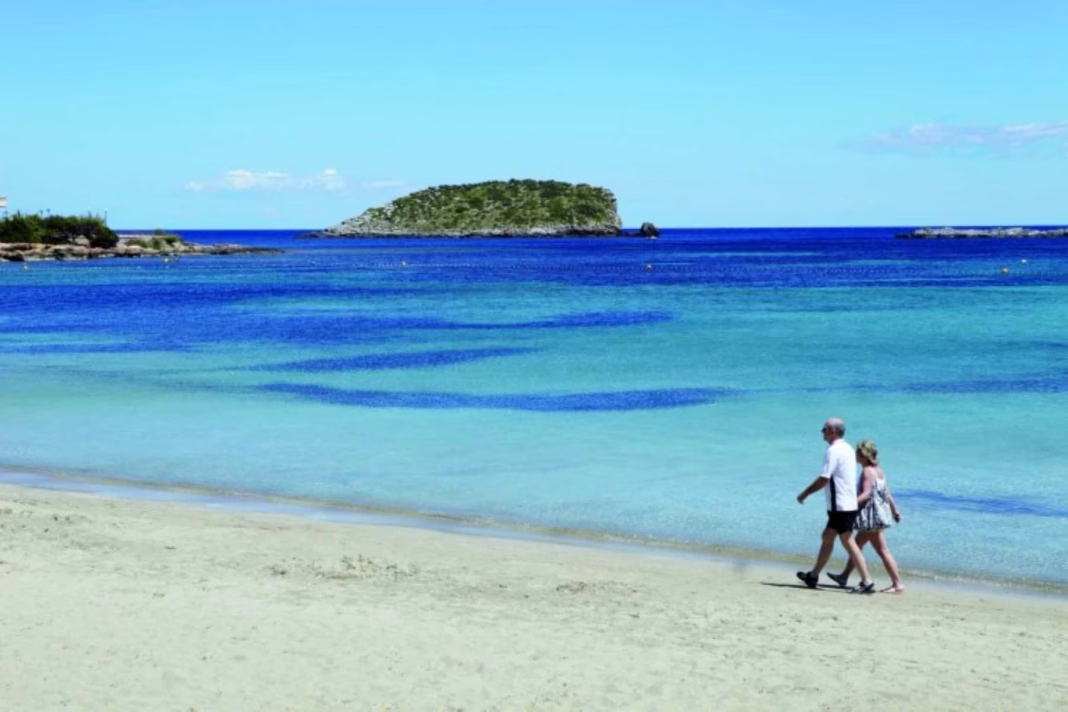
Barcelona’s visitor experience extends from the historic centre to elevated viewpoints and the Mediterranean coast. Montjuïc combines gardens, cultural institutions, a historic fortress and panoramic scenery. The hill can be reached using several forms of transport, including the cable car. Along the waterfront, Barceloneta and neighbouring beaches provide opportunities for coastal walks, relaxation and seasonal seaside recreation. Cultural evenings can include concerts at Palau de la Música Catalana, performances at L’Auditori or opera at Gran Teatre del Liceu. Together, these experiences allow visitors to alternate between intensive cultural sightseeing and less structured leisure activities during the same trip.
Italy to Barcelona Travel Connects Mediterranean Cities with Gaudí Heritage and Art Tourism
Italy is an established international source market for Barcelona. Italian visitors can organise short cultural holidays around Sagrada Família, Park Güell, Casa Batlló and the Picasso Museum. The destination also offers historic neighbourhoods and coastal experiences that can complement architecture-focused itineraries. Travellers departing from Italian cities can use Barcelona-El Prat Airport as their main international arrival point. Aena’s published destination network includes Italian airports such as Rome, Milan, Bologna, Bari, Catania and Palermo. Actual airline schedules vary by route and travel date, making advance verification important. Barcelona therefore accommodates weekend sightseeing, family holidays and longer Mediterranean itineraries.
The Barcelona Tourism Observatory includes Italy among the seven principal source markets covered in its third-quarter 2026 report. This confirms Italy’s relevance to destination-level tourism monitoring, although the report summary does not establish a complete 2026 Italian visitor-arrival total.
Italian visitors can prioritise the following attractions:
Advertisement
Advertisement
- Sagrada Família for Gaudí’s architecture and religious heritage.
- Casa Batlló and Casa Milà for modernist design.
- Park Güell for landscaped architecture and city views.
- The Gothic Quarter for historic streets and churches.
- Montjuïc for museums, viewpoints and outdoor experiences.
Spain’s Domestic Travellers Can Explore Barcelona Through Cultural and Coastal City Breaks
Spain’s domestic tourism market plays an important role in Barcelona’s visitor economy. Travellers from Madrid, Valencia, Seville, Bilbao and other Spanish cities can incorporate Barcelona into weekend breaks, school holidays and longer leisure journeys. Rail services, domestic flights and road connections offer different ways to reach the Catalan capital. Once in Barcelona, visitors can explore Gaudí’s heritage sites, art museums, traditional markets and coastal districts using public transport. The city’s attractions also make it suitable for repeat visits because travellers can organise separate itineraries around architecture, museums, neighbourhoods, entertainment and outdoor recreation rather than attempting to explore everything during one holiday.
Domestic visitors accounted for 12.5% of forward hotel bookings for Barcelona city in the Barcelona Tourism Observatory’s third-quarter 2026 outlook. For the wider Barcelona region, the domestic market represented 39% of bookings. These figures describe booking patterns reported in June rather than realised arrivals for the quarter.
For Spanish travellers, Barcelona offers five practical travel opportunities:
- Short cultural breaks centred on Gaudí landmarks.
- Museum and gallery itineraries for educational visits.
- Family holidays combining attractions with beaches.
- Rail-connected travel between Barcelona and other Spanish cities.
- Repeat visits focused on different neighbourhoods and experiences.
United States Travellers Can Combine Barcelona Architecture, Museums and European Holidays
The United States is an important international source market for Barcelona, particularly within the city’s hotel-booking sector. American travellers can use Barcelona as a principal destination or incorporate it into a wider European itinerary. The city offers internationally recognised architecture, historic neighbourhoods, museum collections and coastal activities within a connected metropolitan environment. Barcelona-El Prat Airport provides access to the city, while the metro, buses and suburban rail services support onward journeys. Visitors from the US can allocate several days to Gaudí landmarks and central museums before exploring Montjuïc, the waterfront and surrounding areas. This flexibility supports cultural holidays and multi-destination European travel.
In the Barcelona Tourism Observatory’s June 2026 outlook, the United States represented 28.2% of forward hotel bookings for the third quarter, making it the largest source market in that particular booking dataset. The figure should not be interpreted as the country’s share of all tourists who arrived during the quarter.
American visitors can consider five itinerary priorities:
Advertisement
Advertisement
- Sagrada Família and the architectural heritage of Eixample.
- The Picasso Museum and other major art collections.
- Park Güell and outdoor architectural sightseeing.
- The Gothic Quarter and Barcelona Cathedral.
- Montjuïc and Mediterranean waterfront attractions.
Barcelona Airport Connectivity Supports Tourism from Italy, Spain and the United States
Barcelona’s international accessibility is an important element of its tourism infrastructure. Josep Tarradellas Barcelona-El Prat Airport provides connections to European destinations, Spanish domestic airports and intercontinental markets. Aena’s published route network identifies services linking Barcelona with major Italian destinations and US airports, alongside domestic Spanish routes. These connections enable travellers to build cultural holidays around a single arrival airport. After landing, passengers can use the city’s metropolitan transport system to reach accommodation and sightseeing districts. Transport availability also allows visitors to combine central Barcelona attractions with excursions beyond the historic centre, supporting more varied itineraries and longer regional stays.
Aena reported that Barcelona-El Prat Airport handled 50,853,089 passengers between January and October 2026, an increase of 4% compared with the equivalent period of 2025. October alone accounted for 5,259,722 passengers. These are airport passenger movements, not tourist-arrival totals.
Travel Access for the Three Source Markets
| Origin market | Airport access examples | Barcelona itinerary opportunity |
|---|---|---|
| Italy | Rome, Milan and other Italian airports listed in Aena’s network | Short architectural and cultural breaks |
| Spain | Domestic flights, intercity rail and road transport | Weekend and repeat city visits |
| United States | New York JFK, Newark and Chicago among listed airport connections | Longer international holidays and European itineraries |
Barcelona’s Accommodation, Markets and Dining Strengthen the Complete Visitor Experience
Accommodation and hospitality services help connect Barcelona’s major attractions into a practical holiday experience. Central districts such as Eixample and the Gothic Quarter provide access to architectural landmarks, restaurants, markets and public transport. Areas closer to the waterfront appeal to visitors who want to combine sightseeing with coastal recreation. The city’s markets also add a distinctive cultural element to travel itineraries. La Boqueria, Santa Caterina, Sant Antoni and Mercat del Ninot introduce visitors to local commercial traditions and produce. Restaurants and rooftop dining venues provide additional choices for leisure travellers, while hotel location influences transport convenience and the time available for sightseeing.
Luxury accommodation featured in the provided travel material includes Bless Barcelona, located at Plaça de Catalunya, and Kimpton Vividora, which houses the Fauna restaurant. Individual hotel facilities, prices and availability should be checked directly before booking.
Barcelona Tourism Performance in 2026 Shows the Importance of International and Domestic Demand
Official tourism and transport figures provide useful context for Barcelona’s cultural visitor economy. They show the significance of international hotel bookings, domestic travel and airport connectivity, although these datasets measure different activities. Forward hotel reservations indicate planned demand, airport figures record passenger movements and accommodation surveys measure travellers or overnight stays. These distinctions matter when assessing tourism performance. The 2026 figures support the conclusion that Barcelona remains a substantial travel destination with connections to several major source markets. However, they do not establish how many visitors specifically travelled to see Gaudí landmarks, museums or beaches, or how individual attractions affected international arrivals.
| Official indicator | Latest verified figure | Reference period |
|---|---|---|
| US share of Barcelona city forward hotel bookings | 28.2% | Q3 2026 outlook |
| Spanish share of Barcelona city forward hotel bookings | 12.5% | Q3 2026 outlook |
| Spanish share of Barcelona region forward hotel bookings | 39.0% | Q3 2026 outlook |
| Barcelona-El Prat passenger movements | 50.85 million | January–October 2026 |
| Barcelona airport passenger growth | +4.0% | January–October 2026 |
| Hotel travellers in the Barcelona tourism brand | 897,200 | September 2026 |
| Annual growth in hotel travellers in the Barcelona tourism brand | +5.4% | September 2026 |
How Cultural Attractions and Air Connectivity Influence Barcelona’s Tourism Economy
Barcelona’s combination of heritage attractions and international transport links creates several opportunities for tourism activity. Travellers who visit Sagrada Família may also book museums, guided walks, restaurants and accommodation in nearby districts. Those staying longer can explore beaches, Montjuïc and additional neighbourhoods, spreading their activities beyond individual landmarks. Airport connections expand the destination’s accessibility to established markets, including Italy, Spain and the United States. Public transport helps visitors move between attractions without relying entirely on private vehicles. Collectively, these features provide the conditions for a diversified visitor economy, although their specific contribution to tourism expenditure requires additional economic data before numerical claims can be made.
- Cultural attractions support demand for heritage sightseeing and guided experiences.
- International air access helps connect Barcelona with established visitor markets.
- Museum collections provide additional reasons for travellers to extend their itineraries.
- Coastal recreation diversifies the destination beyond architectural tourism.
- Public transport enables visitors to explore different tourism districts.
Practical Travel Planning by Visitor Market
| Traveller market | Suggested stay | Main travel focus | Transport considerations |
|---|---|---|---|
| Italy | 2–4 days | Gaudí architecture, museums and Gothic Quarter | Compare direct flights and city-centre transport |
| Spain | 2–3 days | Weekend sightseeing, culture and beaches | Compare rail, domestic air and road travel |
| United States | 4–6 days | Architecture, galleries, historic districts and coastal leisure | Check long-haul flight schedules and airport transfers |
Conclusion
Barcelona offers travellers from Italy, Spain, the United States and various countries an opportunity to explore Gaudí landmarks, museums, beaches and historic neighbourhoods within one destination. Sagrada Família, Park Güell, Casa Batlló and Casa Milà establish a distinctive architectural experience, while art galleries and cultural venues broaden the city’s visitor appeal. Mediterranean coastal attractions provide an additional dimension to urban holidays. Established air connections and public transport make these experiences accessible to domestic and international visitors. Barcelona’s combination of architecture, heritage, leisure and metropolitan connectivity continues to support its position as an important destination for cultural tourism and European city breaks.