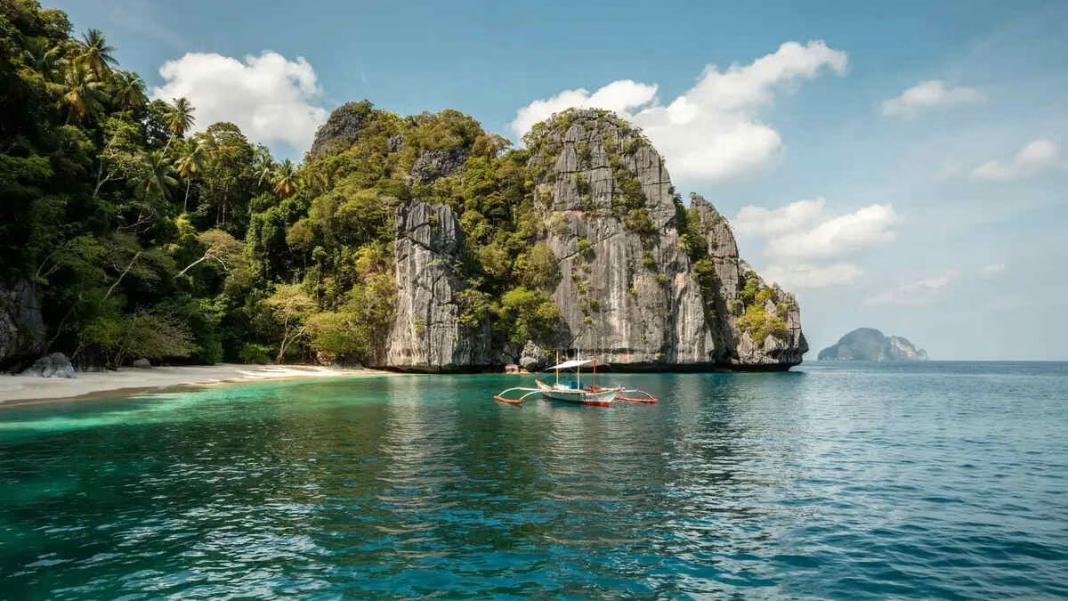


Indonesia is working on its ambitious National Tourism Development Master Plan (RIPPARNAS) for 2027-2045 to drive a large scale change in the tourism sector. This long term plan will bring together the tourism sector with the economic, infrastructural and jobs sectors within the regions. The government are working to ensure that the benefits of tourism are felt in areas outside of current tourist destinations. There will be greater emphasis on transport links, local businesses, job creation and sustainable development of tourist destinations. As international and domestic tourism is growing, this strategy will be an important step to help grow the tourism economy in Indonesia.
Indonesia’s New Tourism Master Plan Aims to Transform Regional Economies
A major change in Indonesia’s approach to tourism development is being planned under the RIPPARNAS 2027–2045 framework. Instead of measuring success mainly through visitor arrivals, greater importance will be placed on the economic benefits created within local communities.
Advertisement
Advertisement
The drafting programme was launched in Jakarta on 10 November 2026. The initiative is intended to establish a long-term direction for tourism development across the country.
Under the proposed framework, tourism destinations will be expected to support regional gross domestic product (GDP) growth, attract investment and generate employment.
Advertisement
Advertisement
The plan is also designed to encourage closer cooperation between tourism authorities, infrastructure agencies and regional administrations. Through this approach, tourism development is expected to become an integral part of Indonesia’s wider economic strategy.
Thirty-Eight Government Institutions Brought Together for Tourism Development
The preparation of the new master plan is being supported by 38 government ministries and agencies. Their involvement reflects the growing importance of tourism across different sectors of the Indonesian economy.
Advertisement
Advertisement
Greater coordination is being sought between institutions responsible for infrastructure, investment, transport, environmental management, education and regional development.
Through this cooperation, tourism projects are expected to receive stronger planning support and more coordinated implementation.
Advertisement
Advertisement
The master plan will also be used to align national policies with regional development priorities. Clear responsibilities, measurable objectives and monitoring arrangements are expected to be incorporated into the framework.
Such coordination is particularly important for a country where tourism destinations are spread across numerous islands and regions. Better integration between government institutions could support more consistent destination planning and infrastructure development.
Airports, Railways and Seaports Become Central to Indonesia’s Tourism Expansion
Transport connectivity is being placed at the centre of Indonesia’s future tourism development strategy. Tourism destinations are expected to be connected more effectively with airports, seaports, railway stations and important regional economic centres.
Special Economic Zones (SEZs), industrial parks and urban centres are also being considered within the wider tourism development framework.
Advertisement
Advertisement
This integrated approach is intended to make destinations more accessible while supporting investment and business activity in surrounding areas.
For travellers, improved connectivity could eventually result in easier journeys between destinations, stronger transport links and better access to tourism facilities.
Regional economies could also benefit as improved infrastructure encourages spending on accommodation, restaurants, transport and local attractions.
However, these improvements will depend on the specific infrastructure projects, financing arrangements and implementation schedules adopted under the final master plan.
Indonesia’s International Tourist Arrivals Reach 12.01 Million in 2026
Indonesia’s tourism expansion is being supported by positive visitor statistics.
Between January and September 2026, the country recorded 12.01 million international tourist visits, representing an increase of 5.01% compared with the corresponding period in 2025.
Advertisement
Advertisement
Domestic tourism also demonstrated growth. During the same nine-month period, approximately 938.84 million domestic tourist trips were recorded, marking a 4.10% year-on-year increase.
These figures highlight the importance of both international and domestic travellers to the national tourism economy.
While overseas visitors contribute foreign exchange earnings, domestic travellers support accommodation providers, transport operators, restaurants and tourism businesses throughout the country.
The government is seeking to build on this momentum by encouraging tourism development that generates more substantial economic benefits for individual regions.
Tourism Investment Climbs as Indonesia Strengthens Its Economic Ambitions
Investment is expected to play an important role in supporting Indonesia’s proposed tourism transformation.
During the first half of 2026, tourism foreign exchange earnings reached US$8.43 billion, reflecting the sector’s contribution to the national economy.
Advertisement
Advertisement
Meanwhile, investment in tourism increased by 16.64%, reaching approximately Rp39.68 trillion, equivalent to around US$2.18 billion.
The investment figures indicate growing financial activity within the tourism sector as long-term development priorities are being established.
Under the new approach, investment is expected to be linked more closely with regional employment, business development and infrastructure improvements.
Tourism projects will increasingly need to be considered within the wider economic environment of their destinations.
The objective is to ensure that tourism-related investment contributes not only to visitor facilities but also to economic opportunities for local communities.
Thirteen Priority Destinations Highlight Wider Tourism Opportunities
The government’s broader tourism planning has also identified 13 priority and regenerative destinations, reflecting an interest in developing tourism opportunities beyond the country’s best-known attractions.
Advertisement
Advertisement
This approach is intended to support more balanced tourism development while recognising the economic, cultural and environmental characteristics of different regions.
For travellers, the expansion of regional tourism could create opportunities to discover lesser-visited destinations and experience local traditions, natural attractions and cultural heritage.
For communities, appropriately managed tourism could provide additional income through accommodation, guiding services, food businesses, transport and other visitor-related activities.
However, destination development will need to be supported by effective environmental management, adequate infrastructure and local participation.
The final RIPPARNAS framework will be important in determining how these priorities are translated into specific projects and measurable regional benefits.
Tourism Workforce Development Becomes Essential for Long-Term Growth
Beside infrastructure and investment, tourism workforce development is expected to receive greater attention.
Advertisement
Advertisement
Improved training and professional skills are considered essential for strengthening Indonesia’s tourism industry and improving destination management.
Tourism workers will need to be equipped to support accommodation services, visitor experiences, transport operations and other tourism-related businesses.
A stronger workforce could also help destinations improve service standards and respond more effectively to changing traveller expectations.
Meanwhile, regional businesses are expected to benefit from a more coordinated tourism ecosystem.
The proposed framework places importance on strengthening the relationship between tourism businesses, communities and government institutions.
Such improvements could help tourism growth translate into more sustainable employment and stronger regional economic performance.
Advertisement
Advertisement
Indonesia Targets Five Percent Tourism GDP Contribution by 2029
The new master plan is being developed Beside ambitious national economic objectives.
By 2029, Indonesia aims to increase tourism’s contribution to national GDP to approximately 4.9%–5%.
Tourism foreign exchange earnings are also projected to reach as much as US$39.4 billion, representing the upper end of the government’s stated target range.
Looking further ahead, broader tourism ambitions for 2045 include increasing the sector’s contribution to GDP to 8% and annual tourism foreign exchange earnings to US$100 billion.
These longer-term objectives provide an indication of the scale of Indonesia’s tourism ambitions, although their achievement will depend on economic conditions, investment and policy implementation.
The 2027–2045 master plan is expected to provide a framework for connecting these national ambitions with regional tourism development.
Advertisement
Advertisement
What Indonesia’s Tourism Master Plan Could Mean for Future Travellers
Indonesia’s proposed tourism strategy could gradually change how visitors experience the country.
With greater emphasis being placed on connectivity, destination management and regional development, travel opportunities could become more widely distributed across different destinations.
Improved access to tourism areas may encourage longer itineraries and provide opportunities for visitors to explore regions beyond established tourism centres.
Local accommodation providers, restaurants, transport businesses and cultural attractions could benefit from additional visitor spending.
At the same time, effective destination management will remain essential for protecting natural environments and preserving cultural heritage.
For Indonesia, the success of RIPPARNAS 2027–2045 will ultimately be measured by more than rising tourist numbers. Its long-term importance will depend on whether tourism growth can be converted into meaningful employment, improved visitor experiences, stronger local businesses and lasting economic benefits for communities across the country.