
Asia’s concert calendar is becoming an increasingly important consideration for international travellers, hotels and destination marketers. Asia concert tourism is gaining fresh attention as major performances create new reasons to book flights, extend holidays and reconsider accommodation budgets. Singapore’s December 2026 BTS programme offers a particularly timely example, while Maroon 5’s announced 2027 itinerary links Singapore, Bangkok, Tokyo and Seoul in a single regional tour. However, the commercial impact varies by destination, event size and visitor spending patterns. Recent industry research also points to substantial increases in concert-period travel indicators in Singapore and Bangkok. These developments raise a bigger question: which Asian destinations can turn headline performances into lasting tourism value?
Singapore Turns December Concerts Into a Month-Long Tourism Proposition
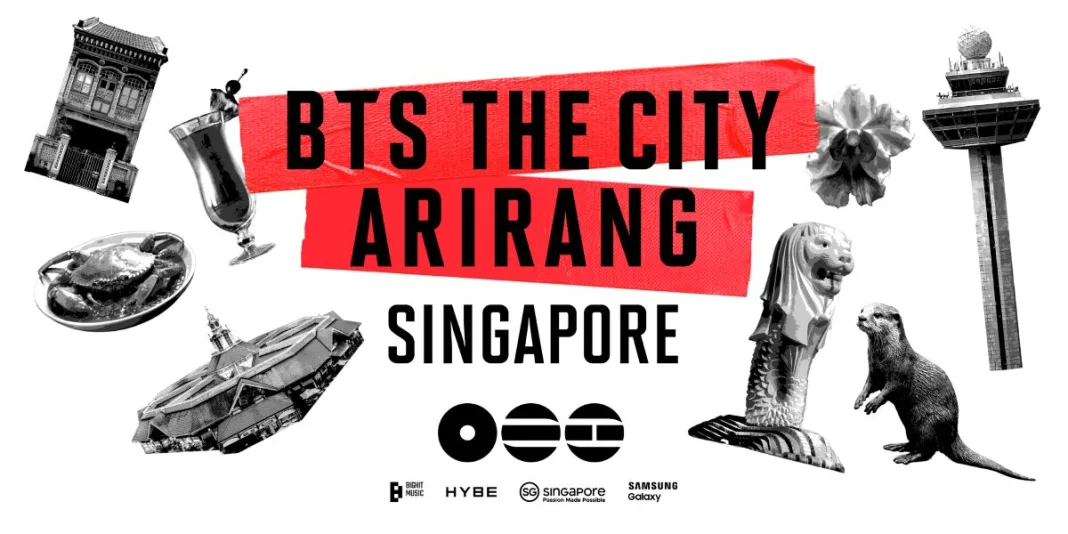
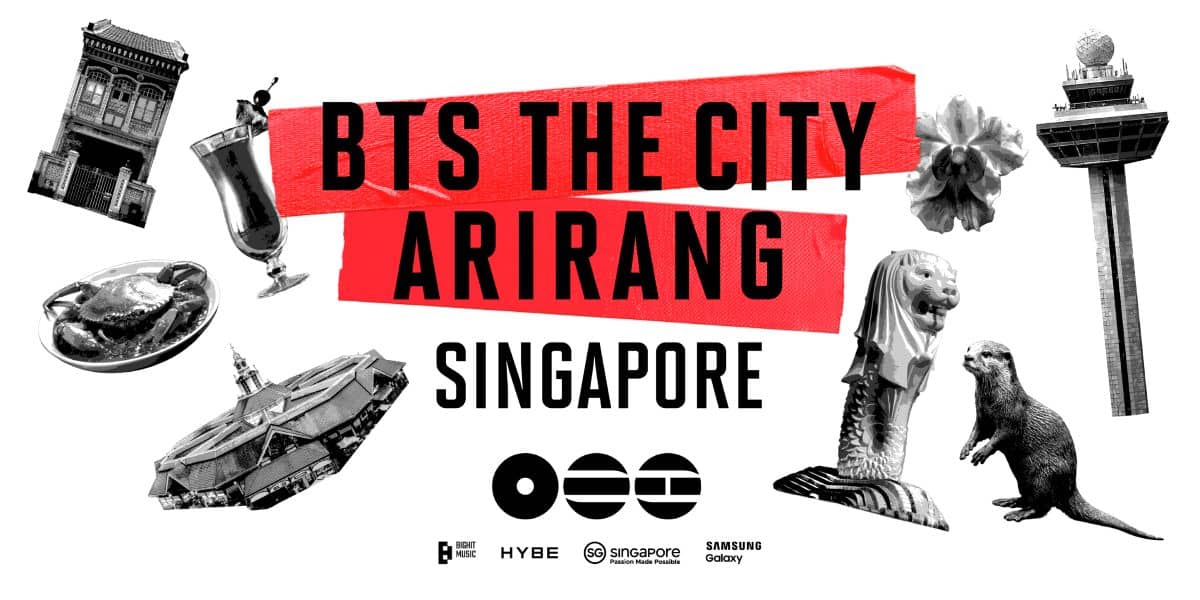
The clearest immediate development comes from Singapore, where the Singapore Tourism Board and HYBE have announced BTS THE CITY ARIRANG SINGAPORE, running from 1 to 31 December 2026. The programme will build around BTS’s four-night concert run at the National Stadium on 17, 19, 20 and 22 December. It will extend the experience into multiple city precincts through themed events and installations, encouraging fans to explore beyond the performance venue.
This approach matters because a concert can generate demand across several tourism categories. Fans may arrive early, book additional nights, dine near entertainment districts and visit attractions between performances. Consequently, the economic opportunity extends beyond ticket sales, although the actual contribution depends on visitor spending and how much activity reaches local businesses.
Singapore’s wider tourism figures provide useful context. The destination welcomed 16.9 million international visitors in 2025, while full-year tourism receipts reached a record S$32.8 billion, according to the Singapore Tourism Board. The board’s May 2026 outlook projected 17 million to 18 million international arrivals and S$31 billion to S$32.5 billion in receipts for 2026. These are forecasts, not final annual results.
The strategy also builds on Singapore’s previous experience with major entertainment events. The tourism board has highlighted blockbuster performances by Taylor Swift, Ed Sheeran and Bruno Mars among the experiences that strengthened Singapore’s appeal in 2024. The current BTS programme develops that model by distributing fan experiences across a longer period rather than concentrating attention exclusively on concert nights.
New Concert Data Reveals the Scale of Travel Demand
Fresh industry analysis published by Amadeus on 20 October 2026 provides some of the strongest quantitative evidence for this developing market. Its analysis of major K-pop tour periods found higher flight bookings and hotel occupancy in Singapore and Bangkok compared with previous-year periods. However, the figures cover selected event windows, not the entire tourism markets.
Advertisement
Advertisement
| Concert-related indicator | Singapore | Bangkok |
|---|---|---|
| Flight bookings during analysed concert windows | Up 62% | Up 41% |
| Average hotel occupancy change on concert nights, year on year | Up 49% | Up 31% |
| Average daily room-rate change during the specified BTS event period | Up 6% on show nights | Up 15% across the show week |
| Reported peak occupancy comparison | Up 68% on one key concert night | Not specified in the published summary |
The findings reveal an important distinction between demand growth and pricing power. Singapore recorded stronger reported flight-booking growth, while Bangkok registered a larger increase in average room rates during the specified BTS show week. Neither indicator alone establishes which destination generated more visitor spending or delivered better value to travellers.
The results also show why the number of performances matters. Multiple shows can distribute arrivals across several days, while a single event may concentrate demand into one evening. Nevertheless, tour popularity, venue capacity, school holidays, flight schedules and competing events can all influence the outcome.
The data should therefore guide further investigation rather than settle the four-city competition. Comparable concert-specific measurements for Tokyo and Seoul remain essential before any reliable regional ranking can be established.
Bangkok’s Search Surge Meets a Competitive Hotel Market
Bangkok offers another compelling indicator of how music events can influence trip planning before visitors confirm their bookings. Airbnb reported in June 2026 that searches for Bangkok accommodation coinciding with the upcoming December BTS concert dates had increased by nearly 590% year on year. The comparison used search activity recorded between 13 and 27 January 2026 against the same dates in 2025.
That distinction is important. The increase measures interest in accommodation, not completed reservations, room occupancy or actual visitor arrivals. Even so, it demonstrates how fans can begin considering travel well before a concert takes place.
Bangkok’s broader hotel market also offers a useful counterpoint to assumptions that concert demand automatically makes accommodation expensive. Cushman & Wakefield reported 70% average hotel occupancy in the third quarter of 2026, down from 73% in the previous quarter. The average daily room rate stood at THB 3,516, a 3.9% quarterly decline. Revenue per available room fell to THB 2,532.
Advertisement
Advertisement
| Bangkok hotel-market measure | Q3 2026 | Previous quarter |
|---|---|---|
| Average occupancy | 70% | 73% |
| Average daily room rate | THB 3,516 | THB 3,660 |
| Revenue per available room | THB 2,532 | THB 2,672 |
These market-wide figures do not contradict the concert-period increases reported by Amadeus. They describe different time windows and market conditions. A hotel market can experience softer quarterly demand while individual event nights command higher prices.
For travellers, the implication is practical. Bangkok may offer competitive accommodation away from peak event periods, but fans should compare the precise dates rather than assume that citywide averages apply during a major performance. Flexible arrival dates and well-connected neighbourhoods may provide more options than insisting on a hotel beside the stadium.
Tokyo’s Dense Calendar Creates More Than One Booking Window
Tokyo’s competitive advantage lies partly in the depth of its live-entertainment calendar. The official Tokyo Dome schedule lists ENHYPEN on 1 and 2 December 2026, YOASOBI on 5 and 6 December, and BIGBANG’s Japan tour dates from 13 to 15 December. The calendar also includes further performances later in the month.
This concentration creates a different tourism question from Singapore’s month-long fan activation. Tokyo’s hotel demand may respond to several distinct events, each attracting different audiences and travel patterns. Fans attending a single performance could share the same booking window as domestic leisure travellers, business visitors and tourists planning year-end holidays.
The schedule alone cannot establish that hotel rates will rise. Instead, it identifies the dates that deserve closer examination through accommodation searches, room availability and comparable prices. Researchers should also consider the distance between hotels and venues, since a property outside central Tokyo may offer a lower rate but involve a longer journey.
Maroon 5’s official tour listing adds another significant comparison. The band is scheduled to perform at Tokyo Dome on 30 and 31 January and 2 February 2027, following its Seoul date on 27 January. Its itinerary then lists Jakarta on 5 February, Bangkok on 9 February and Singapore on 12 February.
Advertisement
Advertisement
For international fans, that itinerary offers several possible travel strategies. Some may choose one destination, while others may combine performances with a wider regional holiday. However, the cost of attending several shows depends on airfares, visa requirements, accommodation and the time needed to travel between countries.
Tokyo’s national tourism backdrop is substantial, although it should not be mistaken for event-specific evidence. Japan’s official accommodation statistics recorded a nationwide hotel occupancy rate of 64.4% in August 2026. That figure provides context, but it does not measure occupancy in Tokyo during the listed concert dates.
The reader benefit is clear: check the concert calendar before choosing travel dates. A city with several major performances can offer more opportunities to build an itinerary, but overlapping events may also complicate accommodation planning.
Seoul’s K-Pop Appeal Extends Beyond the Stadium
Seoul’s position differs because Korean pop culture itself can motivate international travel. Concerts and fan meetings may form the centrepiece of a trip, while food, shopping, heritage attractions and neighbourhood experiences encourage visitors to stay longer. This creates an opportunity for tourism businesses to capture spending beyond the ticket transaction.
Official figures underline the city’s wider momentum. The Seoul Metropolitan Government estimated 8.21 million international visitors in the first half of 2026, up 21.2% from 6.78 million during the corresponding period in 2025. International visitors’ card spending reached KRW 5.62 trillion, according to the city’s published update. The visitor totals are estimates based on national tourism statistics, and the 2026 figures remain provisional.
These numbers show a growing visitor economy, but they do not isolate spending attributable to concerts. The distinction matters because a rise in international arrivals can reflect several factors, including air connectivity, exchange rates, seasonal travel and wider interest in Korean culture.
Advertisement
Advertisement
Maroon 5’s scheduled Seoul performance at KINTEX Hall 4 and 5 on 27 January 2027 adds a confirmed international music event to the comparison. Its subsequent Tokyo dates create a potential regional travel link, although the itinerary does not prove that fans will attend shows in both countries.
For travellers, Seoul may be particularly appealing when the performance forms part of a broader cultural holiday. Visitors can plan time around local food, shopping districts and heritage sites rather than treating the concert as the entire trip. That approach may also spread spending across more businesses and reduce dependence on a single event venue.
The key question is whether Seoul can translate cultural interest into measurable concert-related stays. Comparable hotel-rate, occupancy and flight-booking data would help determine how much the city’s overall tourism growth reflects major music events.
Four Cities Offer Different Concert-Travel Advantages
The current evidence suggests that Singapore, Bangkok, Tokyo and Seoul compete through different strengths. Singapore is building a destination-wide fan experience, Bangkok combines strong event interest with a large accommodation market, Tokyo offers a dense schedule, and Seoul benefits from the international appeal of Korean culture.
The following comparison separates confirmed developments from questions that still require data.
| Destination | Confirmed or reported development | Principal travel consideration |
|---|---|---|
| Singapore | BTS city-wide programme from 1–31 December 2026, with four stadium concerts | Compare show-night rates with surrounding dates and consider extending the stay |
| Bangkok | Nearly 590% year-on-year growth in searches for stays around the specified December BTS dates | Search growth does not guarantee bookings; compare connected districts and room categories |
| Tokyo | Multiple major performances listed at Tokyo Dome in December, plus Maroon 5 dates in early 2027 | Check overlapping events and venue access before committing to accommodation |
| Seoul | 8.21 million international visitors estimated for H1 2026; Maroon 5 scheduled for 27 January 2027 | Separate wider tourism growth from concert-specific demand |
The table does not establish an overall winner because the available measurements are not fully comparable. A fair ranking would require equivalent event windows, hotel categories, booking lead times and definitions of travel demand.
Advertisement
Advertisement
It would also need to account for different trip costs. A lower room rate may be offset by expensive flights, long journeys or additional nights. Conversely, a higher-priced hotel near a venue could offer savings in local transport and valuable time after a late performance.
The Real Cost Goes Beyond the Concert Ticket
For travellers, the most useful comparison is the total cost of attending an event rather than the headline ticket price. A realistic budget includes return flights, accommodation, local transport, meals, ticket fees and any additional nights required by the concert schedule. International fans should also account for entry requirements and the possibility that ticket sales, flight availability and hotel inventory change at different speeds.
The following framework helps readers compare destinations without relying on misleading citywide averages.
| Cost component | What travellers should compare | Why it matters |
|---|---|---|
| Flights | Return fares for the actual travel dates | Major event dates can coincide with wider seasonal demand |
| Accommodation | Total price, including taxes and fees | A low advertised rate may exclude compulsory charges |
| Venue transfers | Journey time and return transport options | Late finishes can make distant hotels less convenient |
| Concert tickets | Official ticket price, fees and sale status | Resale prices can differ substantially from face value |
| Additional nights | Cost of arriving early or departing later | Extra nights can increase the overall trip budget |
| Cancellation terms | Refund rules and booking flexibility | Concert plans, transport and ticket availability may change |
The best comparison uses the same number of nights and a consistent travel party across destinations. Travellers should also check whether accommodation offers free cancellation and whether the ticket purchase is confirmed before booking non-refundable flights.
For hotel research, compare the same property on the concert date and nearby non-event dates. Keep the room type, occupancy, cancellation conditions and booking lead time consistent. This method provides a clearer indication of event-related price differences than comparing unrelated hotel listings.
Travellers should also consider accommodation beyond the immediate stadium district. A hotel with convenient public transport may provide better overall value than a property within walking distance of the venue. However, late-night transport schedules and post-concert crowd movements deserve attention before making that decision.
Advertisement
Advertisement
Event Calendars Are Becoming a Booking Tool
The changing relationship between entertainment and travel creates opportunities for tourism operators. Hotels can use confirmed event calendars to plan staffing and inventory, while destination marketers can package performances with attractions, dining and transport information. Airlines and travel advisers can also monitor event dates to identify potential demand peaks.
However, businesses need more than a headline concert announcement. Useful forecasting combines ticket-sale information, accommodation-search trends, flight bookings, historical occupancy and competing events. Search activity may signal interest, but confirmed reservations provide a stronger indication of realised demand.
Singapore’s tourism strategy offers a relevant policy comparison. Its Tourism 2040 ambitions focus on expanding tourism receipts and developing differentiated experiences, while the December BTS programme illustrates how entertainment can be integrated into a wider destination proposition. The city reported record tourism receipts of S$32.8 billion in 2025, giving the programme a substantial economic backdrop.
Bangkok’s quarterly hotel figures, meanwhile, demonstrate why event-specific analysis matters. The city’s Q3 occupancy and room rates softened even as separate concert-period indicators showed increases. Tourism businesses therefore need to distinguish seasonal market performance from demand concentrated around particular performances.
The wider industry lesson is that concert tourism is a demand-planning opportunity, not a guarantee of higher revenue. Results depend on how many visitors arrive, how long they stay, what they spend and whether local businesses capture that expenditure.
Verified Tickets and Flexible Hotels Matter Most
A concert-led holiday can become expensive if travellers book accommodation before securing tickets or rely on unofficial resale listings. Fans should check the artist’s official tour page, venue announcements and authorised ticketing partners before paying. Ticket availability can change quickly, so an announced performance should not automatically be treated as having seats available.
Advertisement
Advertisement
Hotel bookings require similar care. Travellers should confirm the full price, check cancellation conditions and verify the property’s location and transport connections. For events with several performances, comparing different arrival and departure dates can reveal alternatives that are less expensive or easier to manage.
International visitors should also review the latest entry requirements for their nationality. Visa rules, passport validity and permitted lengths of stay vary by destination and can change independently of concert announcements. Official immigration and government tourism websites should take precedence over social media posts or unverified travel advice.
Finally, travellers should avoid assuming that every advertised package offers better value. Bundled accommodation, transport and tickets can be convenient, but the total cost should be compared with separate bookings. Clear terms, verified providers and realistic transfer times remain more valuable than a seemingly attractive headline discount.
The Next Booking Decision Starts With Better Data
The emerging contest between Singapore, Bangkok, Tokyo and Seoul shows how major music events can influence destination choice, accommodation planning and tourism marketing. Singapore’s month-long BTS activation, Bangkok’s reported accommodation-search surge and Tokyo’s crowded concert calendar offer different reasons to plan ahead. Seoul’s expanding international visitor base adds another dimension, although the precise contribution of concerts remains to be measured. For travellers, the smartest approach is to secure verified tickets, compare complete hotel costs and assess transport before choosing a destination. For the industry, the next test is converting event interest into longer stays and measurable local spending. The strongest concert destination will be the one that delivers the best overall travel experience, not simply the biggest show.