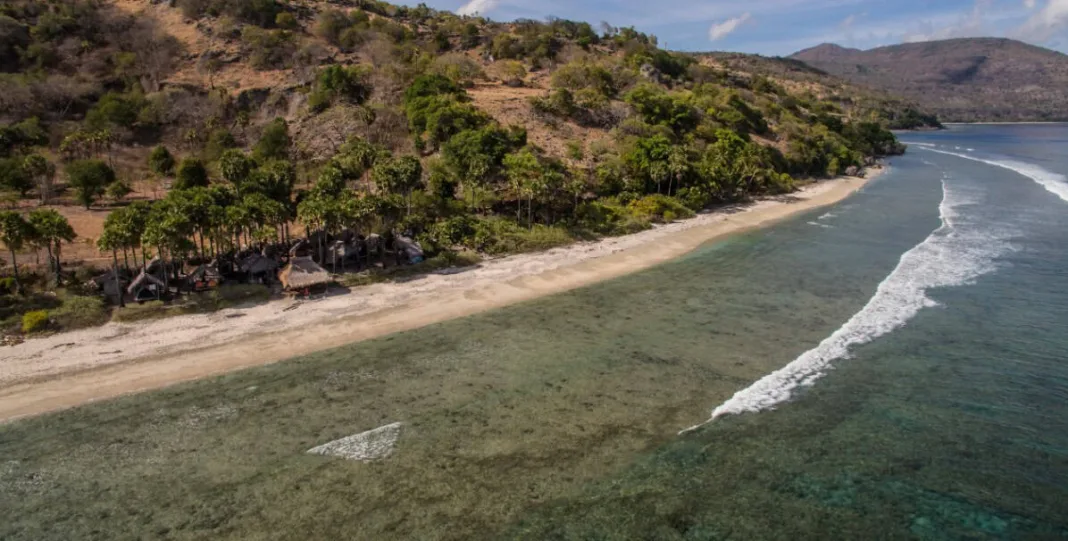

As Southeast Asia’s newest sovereign state steps boldly onto the international stage, Timor-Leste tourism is undergoing a profound transformation. Bolstered by recent World Trade Organization accession and deepening regional integration within the Association of Southeast Asian Nations (ASEAN), the nation is unlocking unprecedented doors for hospitality, cross-border commerce, and sustainable economic development. Official government figures target 200,000 annual visitors by 2030, underpinned by modernised infrastructure, expanded aviation networks, and progressive trade agreements designed to attract foreign investment and diversify the national economy away from traditional hydrocarbon dependencies.
Background and Strategic Evolution
The journey of Timor-Leste tourism from a post-conflict recovery zone to an emerging frontier destination is rooted in strategic institutional planning. Following its restoration of independence in 2002, the government prioritized peacebuilding, legal reform, and institutional capacity building. By the mid-2020s, the nation achieved pivotal milestones, notably securing full membership in the World Trade Organization (WTO) and advancing its integration as ASEAN’s 11th member state.
Advertisement
Advertisement
These geopolitical milestones serve as the bedrock for modern commercial policy. The implementation of frameworks such as the ASEAN Trade in Goods Agreement provides the country with tariff-free or low-tariff market access, encouraging regional supply chain integration. For the hospitality and tourism sectors, these trade reforms translate directly into reduced import duties on essential hospitality goods, streamlined customs clearance, and enhanced predictability for international hotel chains, tour operators, and infrastructure investors.
Latest Official Developments and Government Announcements
Recent official reports released by the Government of Timor-Leste and international trade bodies highlight rapid advancements in the country’s business ecosystem. At the 45th ASEAN Tourism Forum, Dili’s official delegation presented a comprehensive sustainable tourism roadmap aimed at leveraging regional marketing channels.
Advertisement
Advertisement
Key policy updates from the Council of Ministers emphasise infrastructural upgrades to support the burgeoning visitor economy:
- Aviation Expansion: Active route development is underway to connect Dili’s Nicolau Lobato International Airport with key hubs including Jakarta, Manila, Bangkok, and an upcoming Aero Dili connection to Melbourne.
- Port Modernisation: The operationalisation of the multi-million-dollar Tibar Bay Port has freed up historical harbour zones, paving the way for dedicated cruise ship berthing facilities designed to capture regional maritime traffic.
- Energy Security Projects: Government-backed initiatives are underway to supply clean, reliable energy to vital tourism assets such as Atauro Island, replacing legacy diesel generators with sustainable power grids.
Economic Implications and Investment Climate
The macroeconomic structure of Timor-Leste is transitioning from heavy reliance on petroleum revenues toward diversified, service-led growth. According to the 2026 Investment Climate Statements published by official trade institutions, the state actively encourages foreign direct investment (FDI) across sectors including agribusiness, light manufacturing, and hospitality.
Advertisement
Advertisement
The integration of Timor-Leste trade agreements facilitates a predictable regulatory framework aligned with the ASEAN Comprehensive Investment Agreement. Investors benefit from uniform investment incentives, which include corporate tax credits and targeted import duty exemptions for capital equipment used in hotel development and eco-tourism ventures. Furthermore, public-private partnerships (PPPs)—such as the successful development of the Tibar Bay commercial terminal—demonstrate the government’s willingness to collaborate with international entities on large-scale infrastructure projects.
Public and Industry Impact on Hospitality
The domestic hospitality landscape is responding dynamically to these macroeconomic shifts. While Dili features a growing selection of business-class and boutique hotels, rural regions are experiencing community-led tourism initiatives. Homestays, culturally immersive village tours, and eco-lodges are expanding across the mountainous interior and coastal enclaves.
Advertisement
Advertisement
Official labour and skills development programmes are scaling up in tandem. Recognising the service-sector demands of an expanding visitor economy, bilateral pacts—such as recent vocational training and tourism cooperation agreements signed with international partners like Angola—are enhancing workforce competencies. These initiatives ensure that local communities retain meaningful employment, managerial roles, and equitable financial returns from the tourism boom.
Future Outlook
Looking toward 2030, the strategic trajectory for Timor-Leste tourism remains firmly anchored in high-value, low-impact sustainable development. Rather than engaging in mass-market price competition, the national strategy focuses on preserving its pristine marine biodiversity, rugged trekking routes across Mount Ramelau, and unique historical heritage sites.
As regional aviation corridors mature and free trade agreements continue to lower commercial barriers, Timor-Leste is well-positioned to cement its status as Southeast Asia’s last undiscovered frontier, offering robust opportunities for discerning travellers and strategic investors alike.
The convergence of trade liberalisation, strategic regional integration, and targeted infrastructure investment has ushered in a transformative era for Timor-Leste. By steadfastly embracing multilateral cooperation and sustainable tourism principles, the nation is successfully diversifying its economy while safeguarding its natural and cultural assets. For investors and global travellers, the ongoing policy updates signal a stable, open, and highly promising destination. Timor-Leste tourism stands ready to capture the imagination of the international community, proving that thoughtful economic planning can create lasting prosperity, vibrant hospitality networks, and enduring public value for generations to come.