
Hello and welcome to Best of Business Standard Opinion, our wrap of the day’s editorial page.
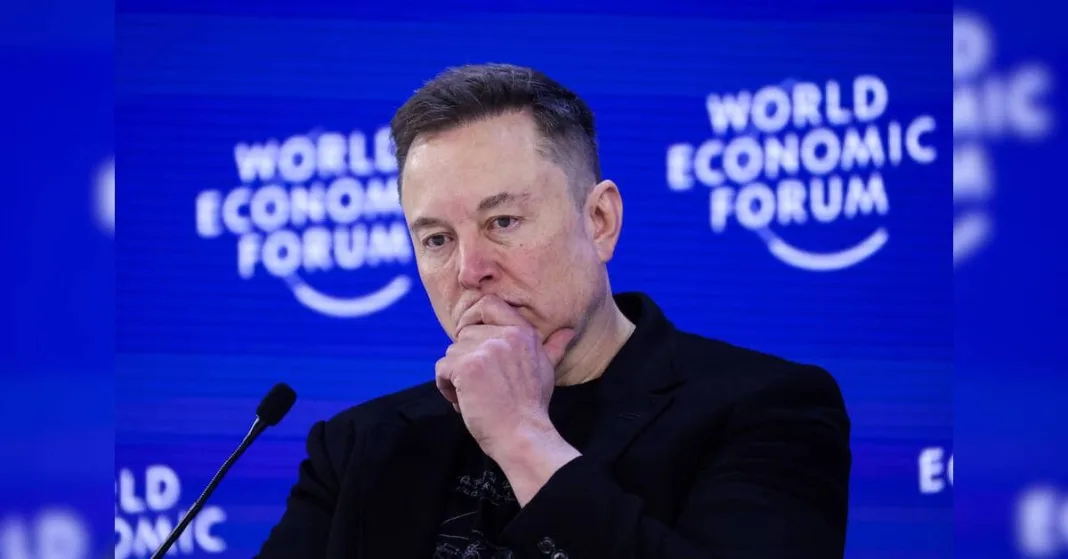
Examples of oligarchs crying foul cannot be more ironic than Elon Musk accusing Indian tycoons of blocking Starlink. The resistance, however, stems primarily from the government’s security concerns, not Mukesh Ambani or Sunil Mittal, argues R Jagannathan. Satellite communications could help insurgents evade internet shutdowns, while Musk’s political activism and influence abroad raise concerns about foreign interference. The commercial market will initially be limited, with government agencies, businesses and wealthy users likelier customers than poor rural communities. With domestic alternatives being developed, Jagannathan argues that India must retain sovereign control over critical communications infrastructure and deny Musk a satellite licence.
Maharashtra’s deficient monsoon threatens the rabi crop, raising fears of a drought potentially worse than that of 1972. That earlier crisis prompted employment guarantees, food distribution reforms and measures to protect landless labourers. The 2026 Drought Management Code, however, appears inconsistently implemented, with some relatively well-watered areas qualifying for relief while others facing severe shortages are excluded. The resulting scramble for drought relief has become a contest over political patronage and constituency interests, observes Aditi Phadnis. The crisis is temporarily uniting ruling allies and postponing tensions over Chief Minister Devendra Fadnavis, Eknath Shinde and the Shiv Sena’s future.
Narendra Modi’s third term faces an unprecedented convergence of political, institutional and economic challenges as he enters his 26th year in public life. The government’s once-dominant narrative of nationalism, welfare delivery and infrastructure development now competes with growing public discontent, notes Shekhar Gupta. He identifies 12 warning signs, including doubts over electoral integrity, judicial credibility, economic performance, government indecision, youth disaffection and shrinking strategic space under Donald Trump. The deeper crisis, he contends, concerns trust in the Constitution, the Supreme Court’s fairness and the Election Commission’s independence. Failure to address these institutional weaknesses could make the run-up to 2029 difficult.
Shashi Tharoor has turned his formidable English vocabulary, wit and erudition into a distinctive mass-market political brand, says Sandeep Goyal. After losing the race to become UN Secretary-General, Tharoor entered Indian politics, where his polished English initially attracted controversy but eventually became his signature asset. His 2017 use of “farrago” went viral, spawning memes and a Word of the Day following. Goyal sees this as a lesson in brand differentiation: standing apart can generate visibility more effectively than imitating rivals. Yet Tharoor’s linguistic flair also risks caricature, forcing him to demonstrate that his appeal extends beyond vocabulary to broader political substance and relevance.