

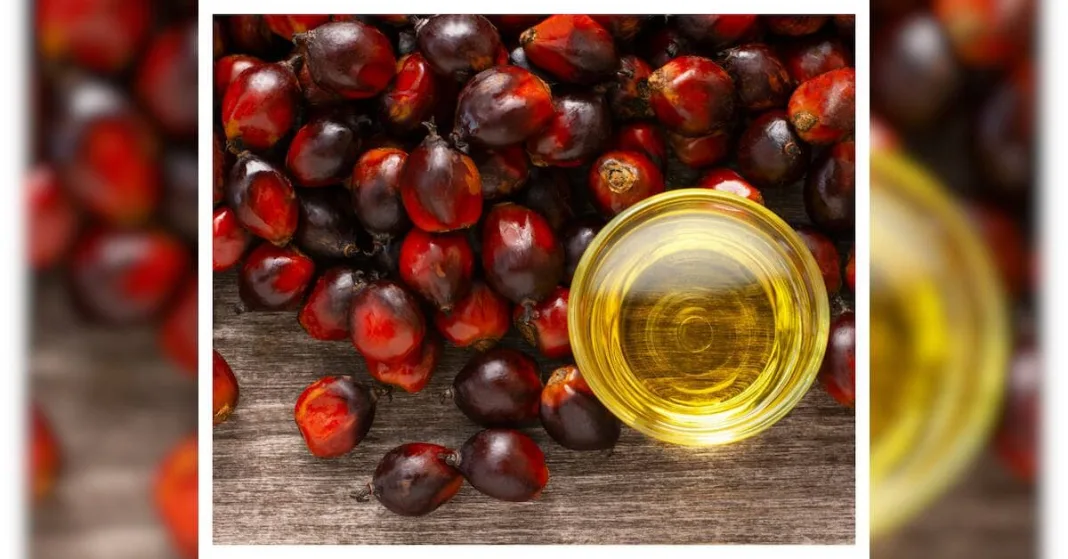

With both Indonesia and Malaysia moving towards higher biodiesel blending that could divert more palm oil towards fuel than food, India, which is one of the world’s largest consumers of edible oils, has started scouting for alternative sources to ensure its food security.
And Colombia, in South America, has emerged as one such country which could be a possible destination for India to diversify its palm oil sourcing.
According to an official statement, a high-level delegation from the Solvent Extractors’ Association of India (SEA), which is the apex body of oilseed processors and refiners in India, is expected to visit Colombia early next year to explore new avenues for palm oil sourcing, trade and cooperation.
“An MoU between SEA and Colombia’s National Federation of Oil Palm Growers (Fedepalma) is also expected to be signed soon, opening a new chapter in India–Colombia cooperation in the palm oil sector,” an official statement said.
The visit and the possible MoU follow a high-level interaction between SEA and a Colombian delegation on the sidelines of the just-concluded 29th Globoil in Mumbai.
According to the SEA statement, Colombia is the world’s fourth-largest and Latin America’s largest producer of palm oil, accounting for almost 2 million tonnes of palm oil production annually.
India traditionally has been buying around 200,000 tonnes of palm oil from Colombia on average, but there is scope for doing much more.
“The timing of the initiative (visit and possible MoU) is significant, with India having recently reduced import duties on crude edible oils and the festive season driving renewed attention towards the availability and affordability of edible oils in the domestic market,” an official statement said.
Angshu Mallick, President of SEA, said that the invitation to visit Colombia and explore opportunities of mutual benefit is a positive development and SEA is planning the delegation visit early next year and looks forward to taking this engagement forward.
India, the world’s largest consumer of edible oils, imported close to 13.61 million tonnes of edible oils in the first 10 months of the 2025-26 edible oil marketing year (November 2025-August 2026), which is around 4.53 per cent more than in the same period last year.
Of this, around 6.53 million tonnes, or 48 per cent, was palm oil in its various forms. Of this, Indonesia and Malaysia contributed around 5.18 million tonnes, or around 79 per cent.
Indonesia, which is the world’s largest producer of palm oil, a few months back decided to raise its biodiesel blend to 50 per cent from the existing 40 per cent, leaving that much less palm oil for food, while neighbouring Malaysia has also decided to raise its biodiesel blend from the current 10 and 15 per cent to 15 and 20 per cent in a phased manner. Malaysia is the world’s second-largest producer of palm oil.