
Hello and welcome to Best of BS Opinion, our wrap of the day’s editorial page.
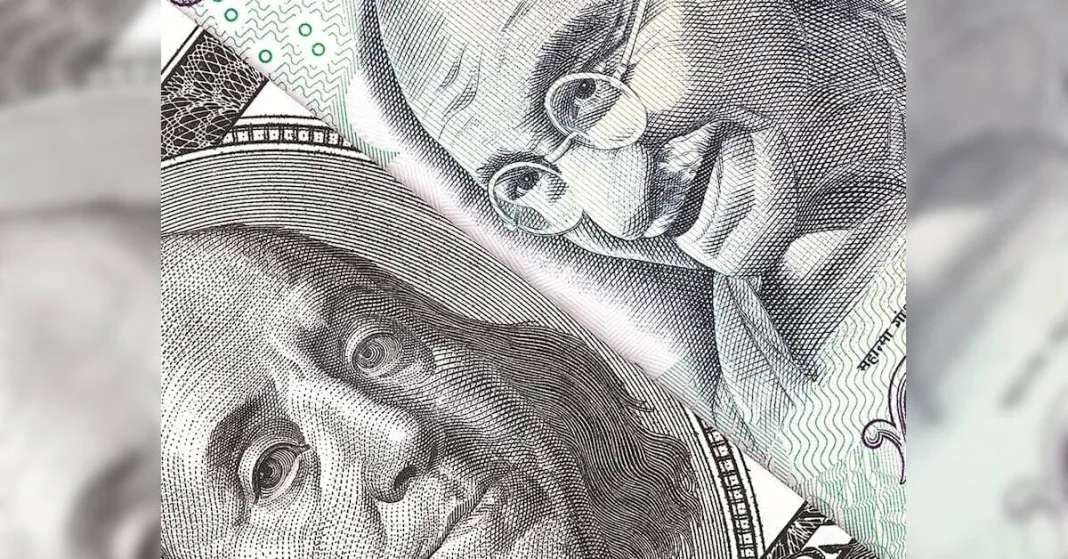
Today’s first editorial examines the RBI’s sharp use of foreign-exchange reserves to support the rupee amid rising crude-oil prices, weaker capital flows, and heightened geopolitical uncertainty. The $14.9 billion fall in reserves in the week ended September 18, including an estimated $10.9 billion in foreign-exchange sales, suggests significant intervention as Brent crude prices surged. The editorial notes that the FCNR(B) deposit scheme had helped rebuild reserves, but cautions against using that buffer to defend the rupee when economic fundamentals have shifted. It recommends allowing an orderly depreciation, preserving reserves for periods of genuine stress, and recognising that a weaker rupee can support exports and help the economy adjust.
The Election Commission of India’s response to recent revelations about shortcomings in its functioning has done little to dispel concerns over the Special Intensive Revision of electoral rolls. Its statement failed to address specific objections reportedly raised by two commissioners, while newly announced procedural changes, including circulation of meeting agendas and minutes, did not resolve substantive questions. Our second editorial highlights the online Form 6 requirement to map new voters to parents or relatives, and concerns over appeals against voter exclusions in West Bengal. Today’s second editorial maintains that restoring public trust requires the ECI to confront these deeper issues of transparency, accountability, veracity, and impartiality, rather than relying on procedural adjustments.
India’s distressed-assets market needs more genuine price discovery, patient capital, and a wider pool of investors, rather than merely more mechanisms for disposing of bad assets. The RBI’s clarification allowing smaller asset reconstruction companies (ARCs) to participate in IBC resolutions alongside other applicants is therefore significant, though the restriction prevents them from acting as full resolution applicants. The column questions whether the net-owned-funds threshold accurately measures capability and notes that ARCs’ specialised expertise and longer investment horizons could help bridge banks’ shorter recovery timelines. M S Sahoo and Sanjeev Pandey call for greater participation by alternative investment funds, private-credit investors, strategic investors, and turnaround specialists.
India’s strong growth prospects are accompanied by persistent structural challenges that could constrain its ambitions unless addressed. Recent remarks by senior officials, global business leaders, and research institutions point to the need for greater manufacturing competitiveness, lower import dependence, tax and regulatory stability, reliable contracts, better logistics, investor protection, and a more skilled workforce. Shailesh Dobhal highlights concerns over weak foreign investment, corporate structures that can limit competition, and the continuing migration of technology talent and founders abroad. India’s demographic and technological advantages provide significant potential, but sustaining rapid growth will require policy consistency, stronger institutions, greater openness to competition, and action rather than premature celebration.
Anjali Chauhan’s review explores Ghazala Jamil’s What to Do with Political Sadness: And Other Essays on Death, Destruction and Hauntology, which treats sadness not as a private emotion but as a way of registering political loss, injustice, and foreclosed possibilities. Jamil examines how grief can preserve attachment to futures that were promised but never realised, while her critique of liberalism focuses on the ways civility, rationality, and pragmatism can make the existing order appear inevitable. Chauhan highlights the book’s concluding call for “futures thinking”, where mourning damaged possibilities becomes a means of resisting political resignation and keeping open the possibility of a different future.