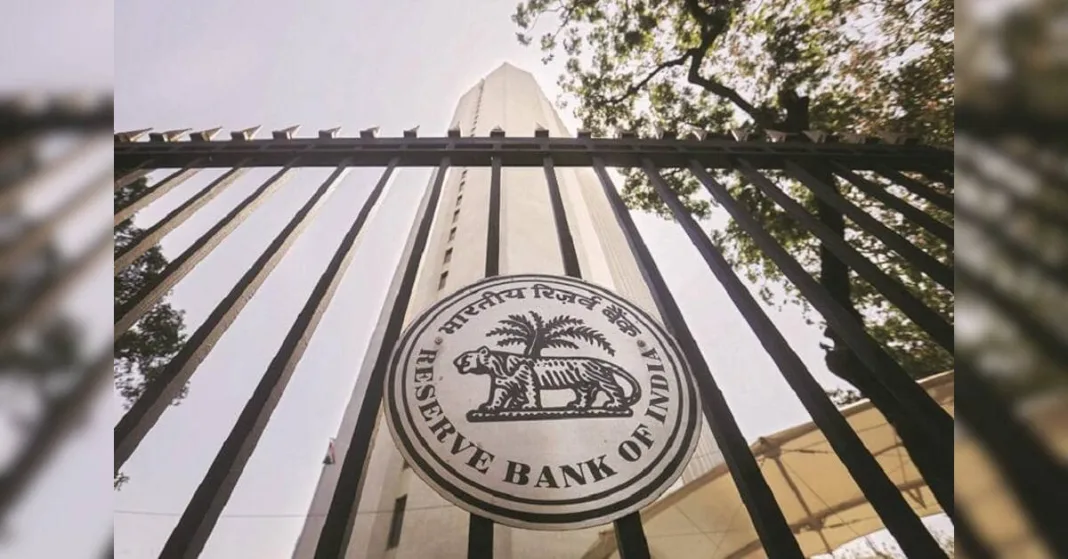

India’s central bank has net sold bonds worth 1 trillion ??rupees this financial year, its biggest annual net bond sale in more than a decade, treasury officials said, with market participants expecting the total to double by December.
The Reserve Bank of ??India is withdrawing liquidity from a banking system flush with cash after it allowed lenders to raise dollars via a special window. While the inflow helped protect the nation’s FX reserves and support the rupee as oil prices rose, it pushed overnight rates below the RBI policy rate.
New Delhi recently reduced the supply of debt maturing in three and five years for the rest of the fiscal year, signalling more open-market operations (OMO) from the RBI, market participants said.
Alok Sharma, head of treasury at ICBC, says he would rather reduce exposure to long-dated bonds than buy more and expects OMO sales worth another 1 trillion rupees, or a hike in banks’ cash reserve ratio.
Either would be consistent with tighter monetary policy, which the majority of respondents to a Reuters poll expect to see with a policy rate hike next week.
According to RBI data available since FY2015, the previous record was in FY2018 when the central bank net sold 900 billion rupees to deal with the fallout of the government’s decision to abruptly demonetise 500 and 1,000 denominated currency notes.
Harsimran Sahni, head of treasury at Anand Rathi Global Finance, which counts government debt worth around 150 billion rupees in its assets under management, expects the RBI to sell an additional 1-1.5 trillion rupees worth of bonds during October-November, factoring in prevailing liquidity conditions.
NO RESPITE FROM BORROWING TWEAKS
Meanwhile, any hope of a relief rally in the most ??actively traded government bonds disappeared with investors selling across the yield curve as the government moved to raise borrowing via 15-, 30- and 40-year securities in its second half of the fiscal year borrowing plan last Friday.
This increased supply, coupled with an expected higher issuance by states, could keep term premium elevated in the near term, Vikas Garg, head of fixed income at Invesco Mutual Fund, said.
“We expect the yield curve to begin flattening at the shorter end as RBI drains liquidity and re-calibrates rates.”
A federal finance ministry official, requesting anonymity as the person is not authorised to speak to media, said that net borrowing was kept at budgeted levels, as the government is committed to the path of fiscal prudence.
(Only the headline and picture of this report may have been reworked by the Business Standard staff; the rest of the content is auto-generated from a syndicated feed.)